Small Dog Breeds: 50 Best Small Dog Breeds for Every Home
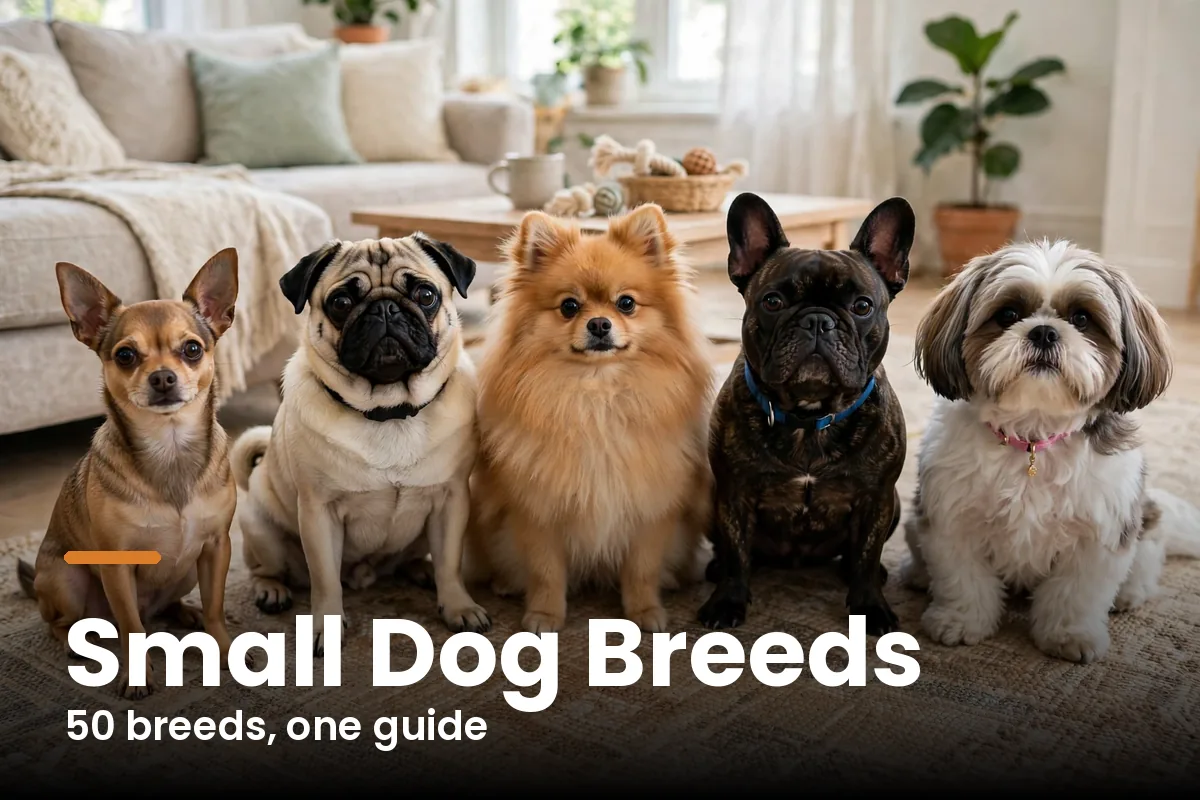
Small dog breeds fit real life in a big way. They fit small apartments. They fit laps, car seats, and carry bags. They fit busy families, quiet seniors, and first-timers. This guide covers 50 small dog breeds, so you can compare them side by side and pick the right one for your home.
You will find the size chart, a top 10 at a glance, the full list of 50 breeds, and clear answers on calm dogs, quiet dogs, low-shed dogs, healthy dogs, easy dogs to train, and dogs for kids, seniors, and anxiety. You will also find food, exercise, grooming, and cost guidance, plus a simple 5-step way to choose.
Key Takeaways
What Counts as a Small Dog Breed?
A small dog breed is a breed that stays small as an adult. Most small dog breeds weigh 3–35 lb. Most stand about 16 inches or less at the shoulder. Most live 10–18 years.
You can sort small dog breeds into three simple groups. Toy breeds sit at the tiny end. Miniature breeds sit in the middle.
Small breeds sit at the larger end of small. The names help you compare size, but they do not tell you the whole story. A toy breed can act bold. A small breed can act calm.
What type of dog will stay small forever? A true small breed stays small. A puppy from a small breed grows into a small adult. A puppy from a mixed breed can grow bigger than you expect, so ask the breeder or rescue about the parents when you can.
Small does not mean weak, lazy, or simple. Small dogs can run, learn, guard, herd, and play hard. They just need less space, less food, and often less exercise than a large dog. They still need training, play, and care every day.
Small Dog Size Chart: Under 5 lb to 35 lb
Use this chart to compare size bands.
| Size band | What it means | Good to know |
|---|---|---|
| Under 5 lb | The tiniest adult dogs | You must handle them with care. They chill fast and they bruise fast. |
| Under 10 lb | Tiny toy breeds | They fit laps and carriers. They need gentle play and warm cover in cold weather. |
| Under 15 lb | Small toy and companion breeds | They suit apartments well. They still need daily walks and play. |
| Under 20 lb | Small breeds | They feel sturdier. They still fit small homes and cars. |
| Under 30 lb | Larger small breeds | They need more exercise and more space to move. |
| Up to 35 lb | The top end of small | They still count as small, but they act more like a medium dog in energy. |
Check adult size before you choose. Ask the breeder or rescue for the adult size of the parents. Look at the breed group in this guide. A dog in the tiny toy group will stay much smaller than a dog in the larger small group.
Size also shapes daily care. A tiny dog needs small-breed food and small portions. A tiny dog needs a warm coat in cold weather. A larger small dog needs longer walks and more play. Pick the size that fits your home, your strength, and your routine.
Top 10 Small Dog Breeds at a Glance
This table gives you a fast start. It lists the top 10 small dog breeds from this guide, with a quick read on each one.
| Breed | Size | Temperament | Barking | Shedding | Grooming | Best for |
|---|---|---|---|---|---|---|
| Chihuahua | Tiny | Loyal, bold | High | Low to moderate | Low | Single people, quiet homes |
| Pomeranian | Tiny | Playful, bright | High | Moderate | High | Active people, attentive homes |
| Yorkshire Terrier | Tiny | Brave, lively | Moderate | Low | High | Owners who love grooming |
| Maltese | Tiny | Gentle, affectionate | Low to moderate | Low | High | Calm homes, lap time |
| Toy Poodle | Tiny | Smart, eager | Low to moderate | Low | High | First-timers, training fans |
| Shih Tzu | Small | Friendly, calm | Low | Low | High | Families, seniors, apartments |
| Cavalier King Charles Spaniel | Small | Sweet, gentle | Low | Moderate | Moderate | Families, seniors, anxiety support |
| Pug | Small | Funny, loyal | Low | Moderate | Low | Lazy owners, apartments |
| French Bulldog | Small | Calm, playful | Low | Low to moderate | Low | Apartments, calm homes |
| Dachshund (Miniature) | Small | Brave, curious | Moderate | Low to moderate | Low to moderate | Active families, alert homes |
What are the top 10 small dog breeds? The table above gives you the short answer. The full list below gives you 50 breeds, so you can look past the top 10 and find a better fit for your life.
50 Best Small Dog Breeds
This is the core of the guide. It lists 50 small dog breeds in five groups of 10. Each breed gets a short profile. Each profile covers personality, temperament, activity, grooming, and the best home for that breed.
Read the group first. Then read the breeds in that group. That order helps you compare dogs that share a size and a style.
Tiny Toy Breeds (Under 10 lb)
Tiny toy breeds fit laps, bags, and small flats. They need gentle hands, warm cover in cold weather, and calm, steady training. They can bark a lot, so train them early.
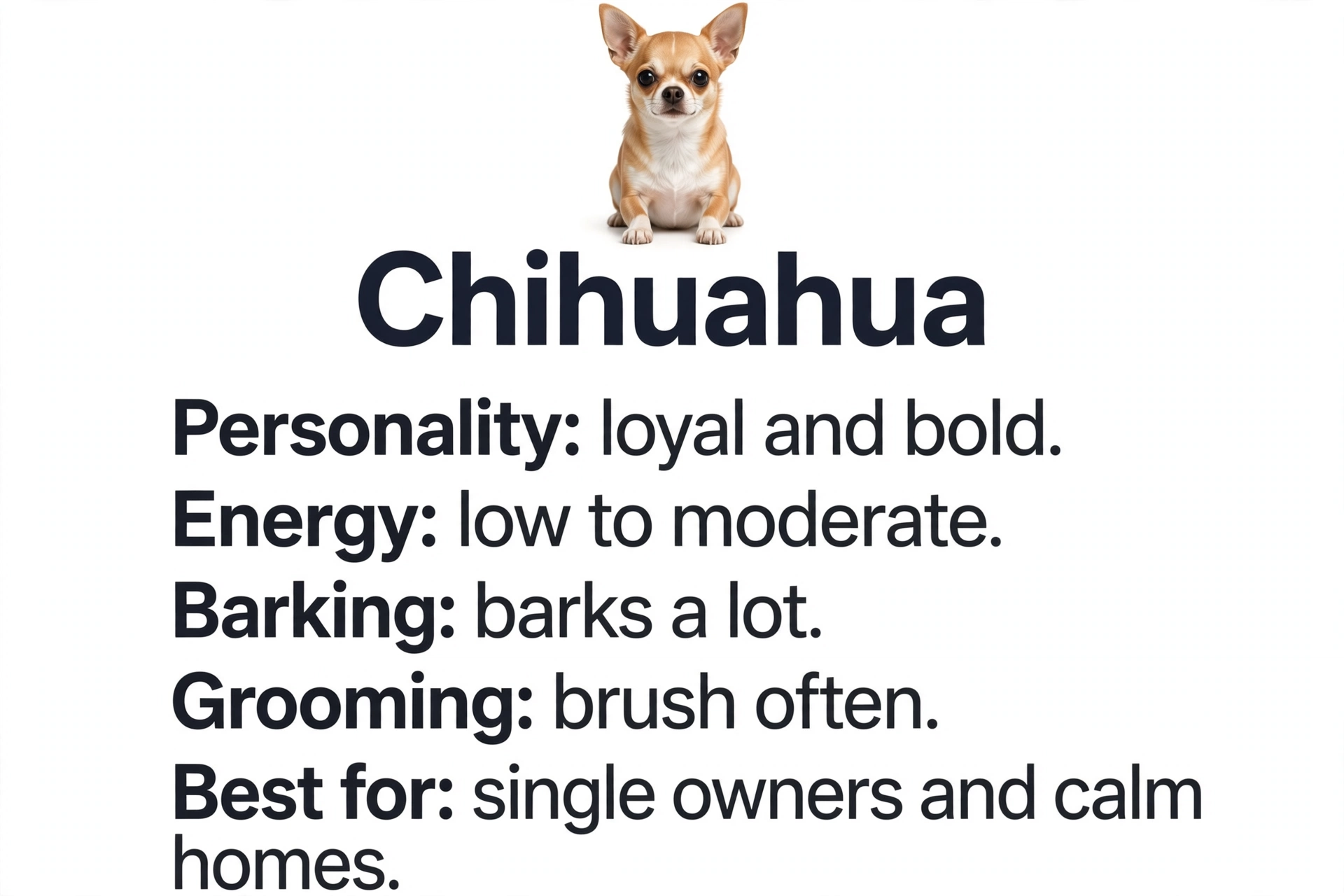
Chihuahua

The Chihuahua is tiny, loyal, and bold, and it bonds hard with one person. It watches the home and speaks up fast, so give it short, kind training sessions and teach it quiet cues early.
It needs only short walks and indoor play, but you must protect it from rough play and cold weather. Brush its coat often if it has long hair, and less often if it has short hair. Best for single people and calm homes that want a loyal lap dog.
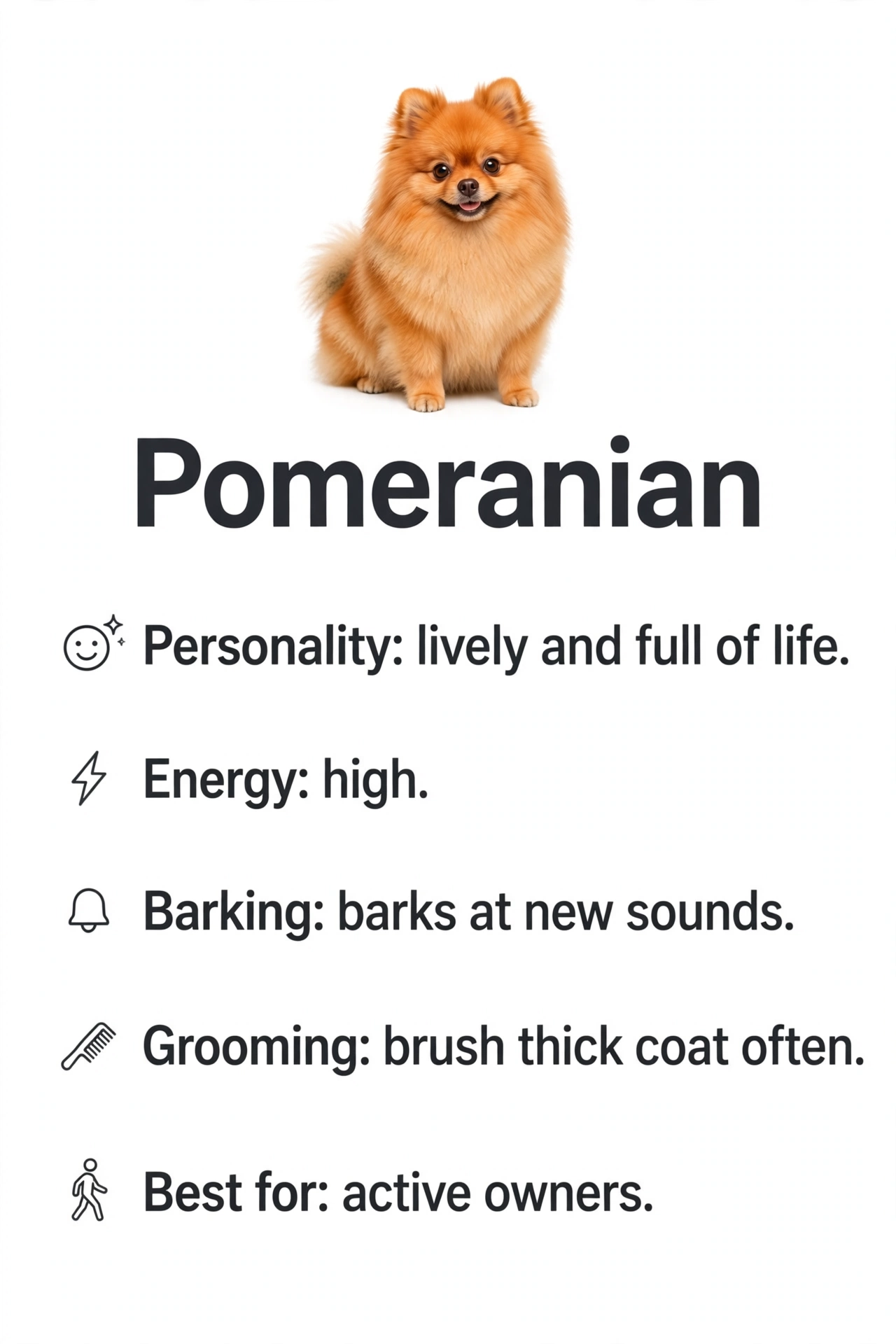
Pomeranian
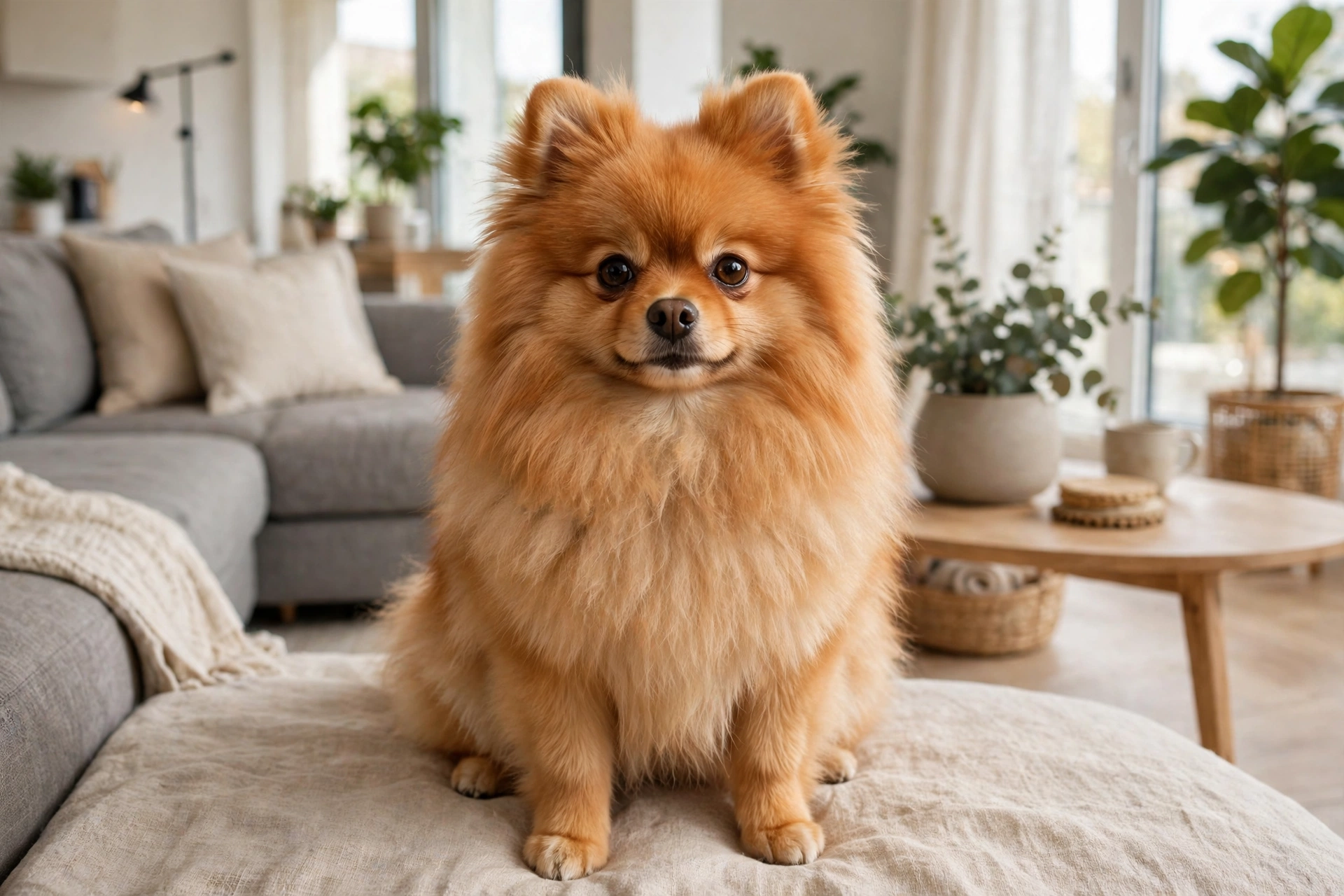
The Pomeranian is small, fluffy, and full of life. It plays hard, learns fast, and loves attention. But it can bark at new sounds, so train it early and teach it quiet cues from day one.
Give it daily play and short walks to burn off its energy, and brush its thick coat often to stop tangles. It suits active people and attentive homes, and it is a good pick if you enjoy grooming and want a lively little companion.
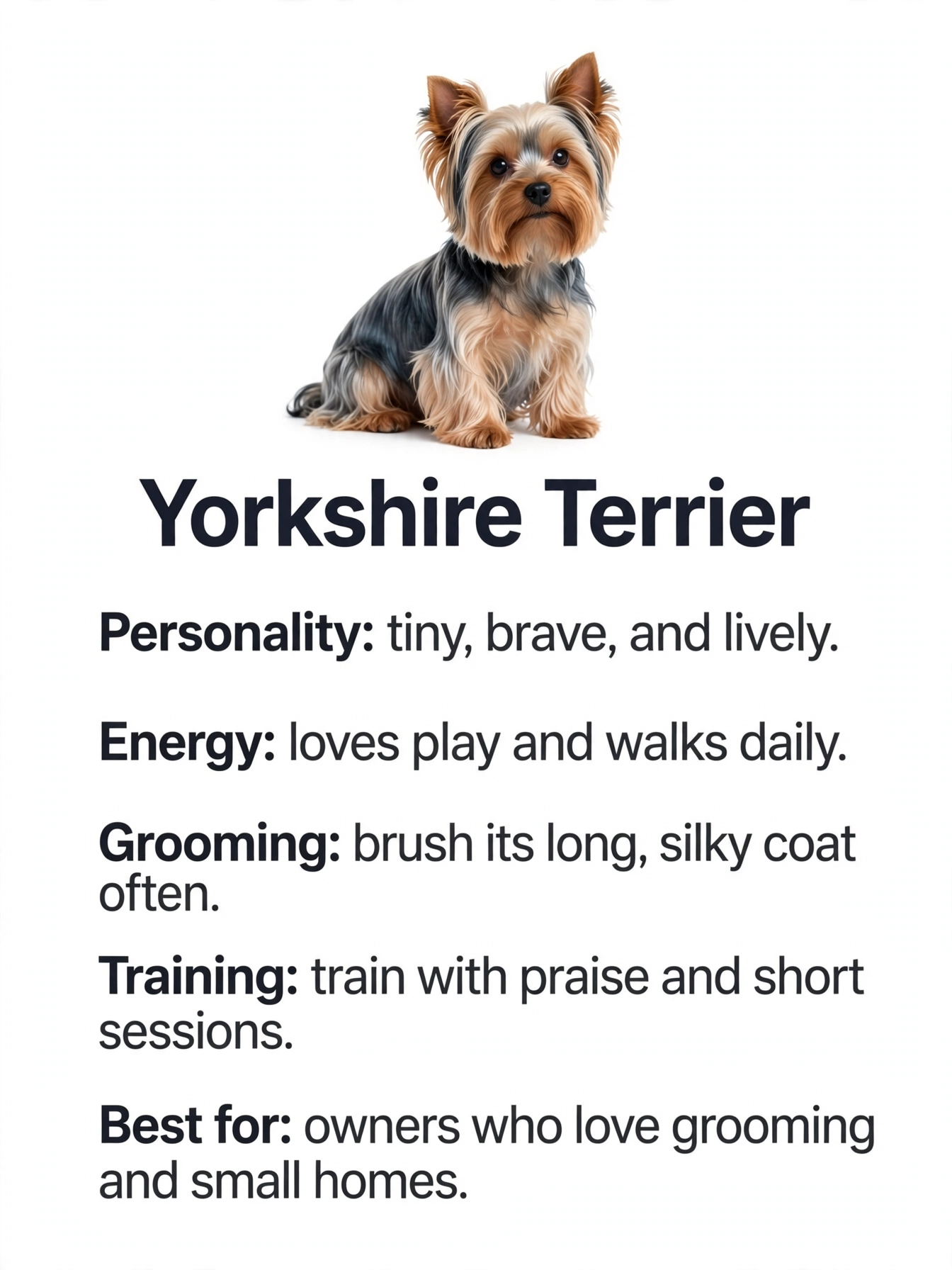
Yorkshire Terrier

The Yorkshire Terrier is tiny, brave, and lively, and it acts bigger than its size. It loves play, walks, and time with you, so give it daily play and short walks plus indoor games when the weather turns cold.
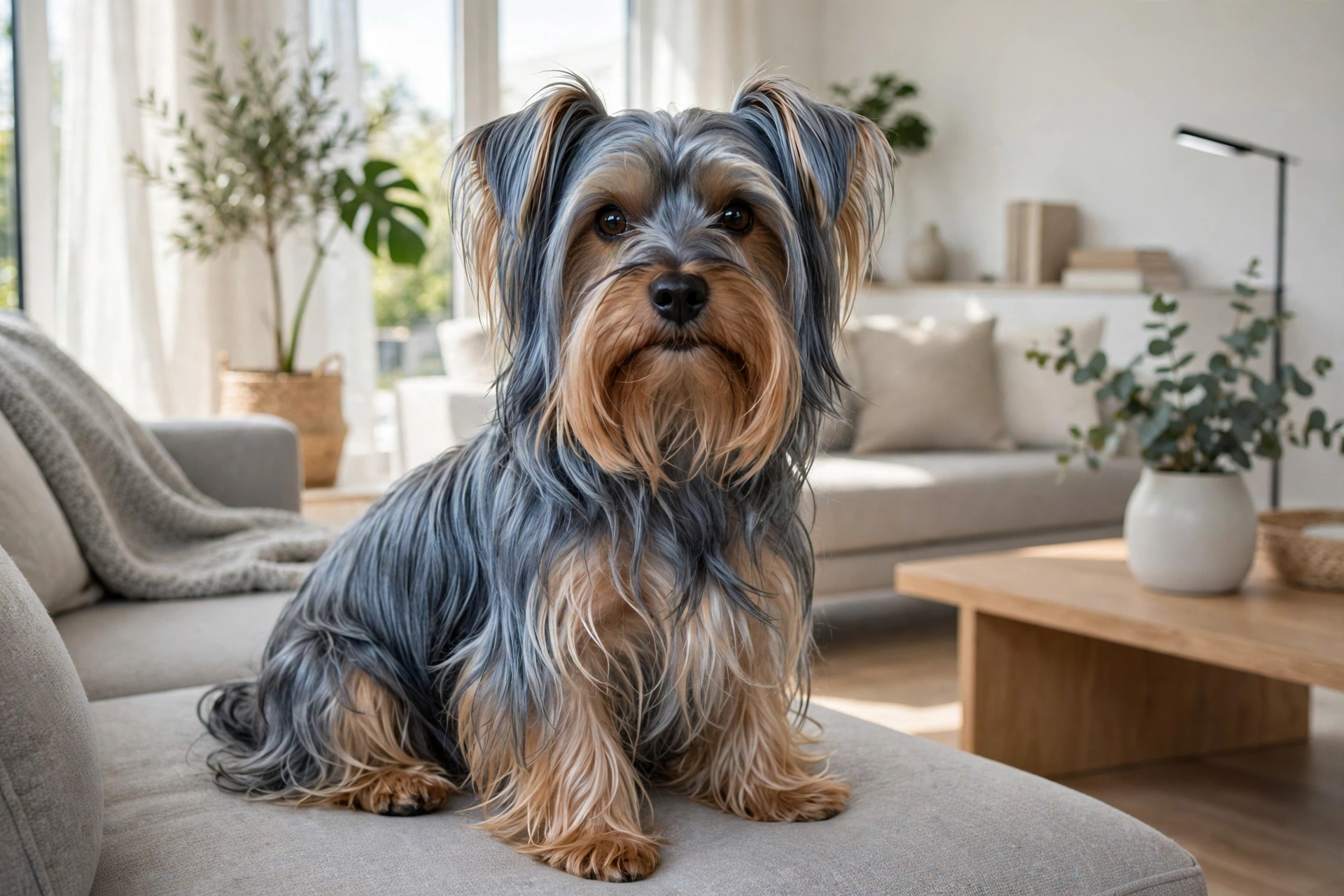
Train it with praise and short sessions, and brush its long, silky coat often to keep it smooth. Best for people who love grooming, small homes, and anyone who wants a bold companion.
Maltese
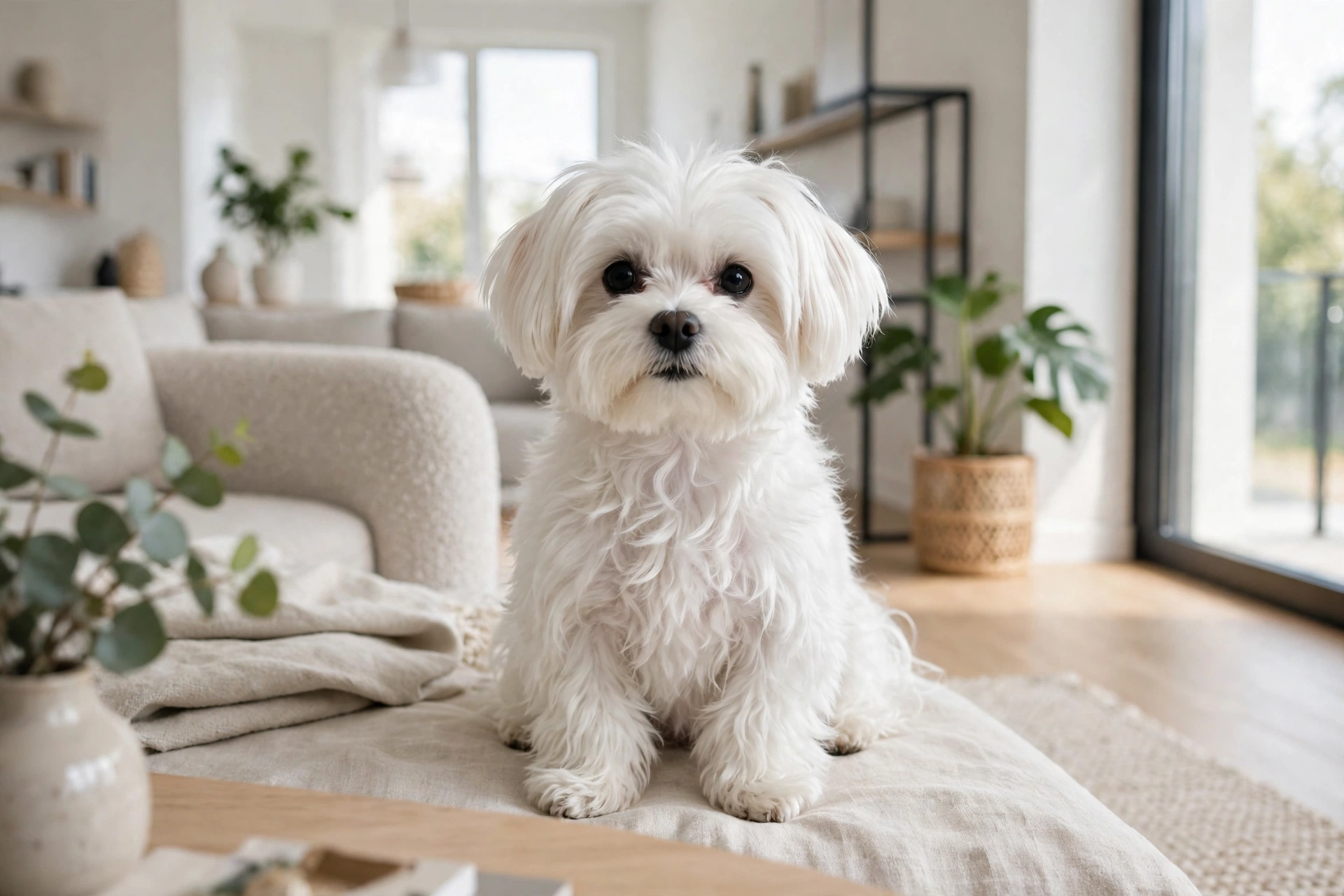
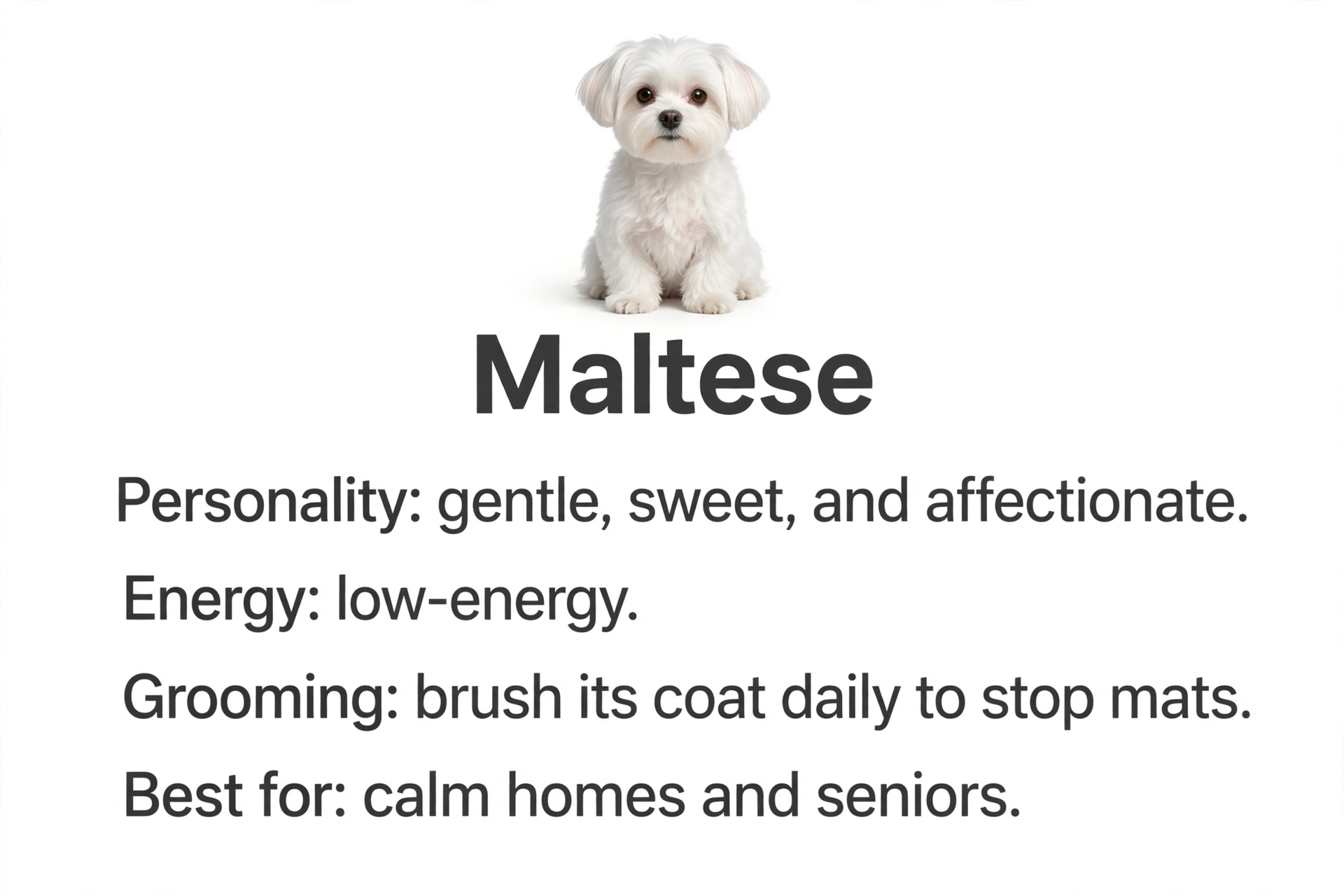
The Maltese is gentle, sweet, and affectionate, and it loves laps and calm time with its family. It stays friendly with family and guests, and it needs only short walks and gentle play each day.
Brush its coat daily to stop mats, keep its face clean, and brush its teeth often. It is a low-energy lap dog that fits calm homes and seniors best, and it suits people who want a soft, loving companion.
Toy Poodle
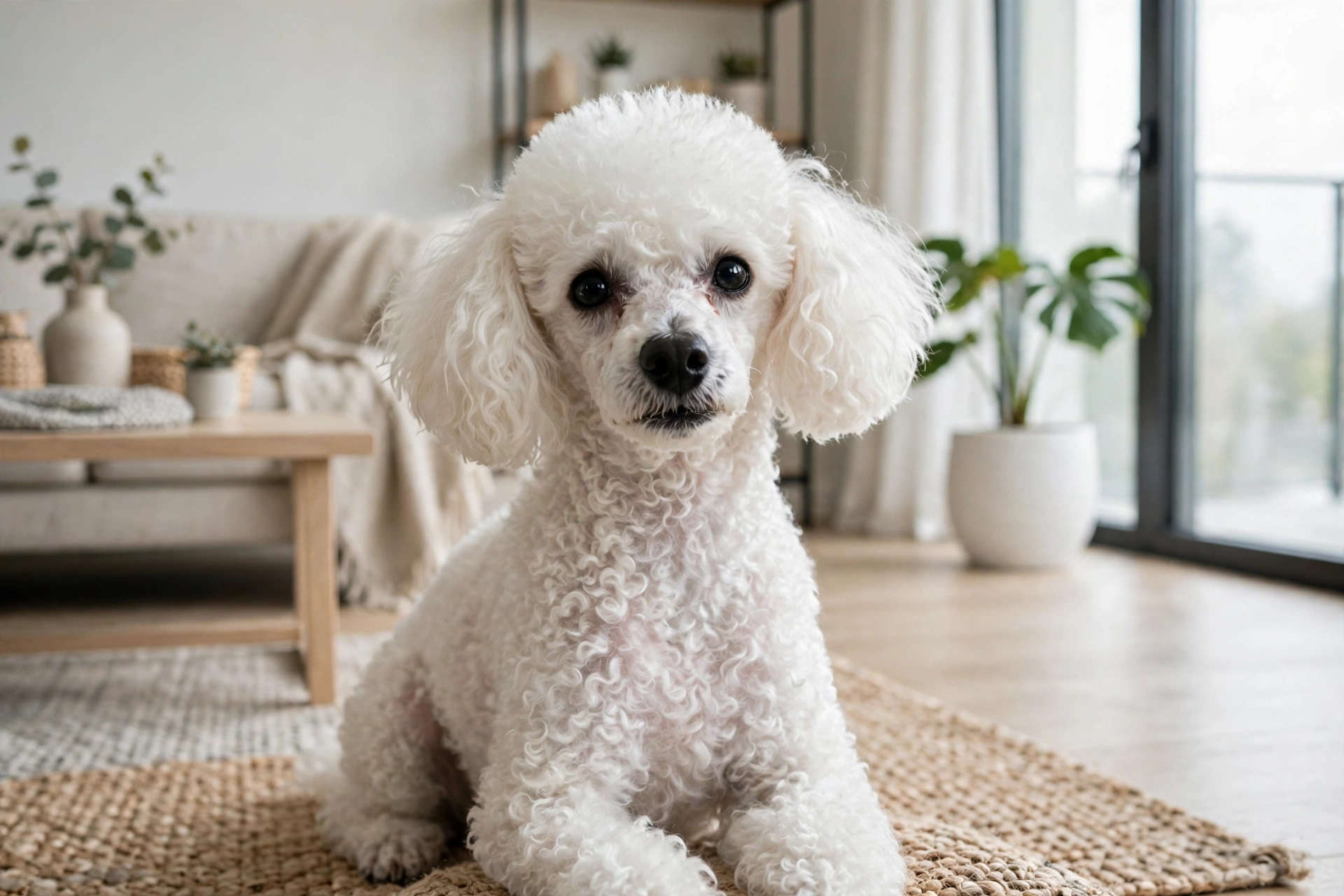
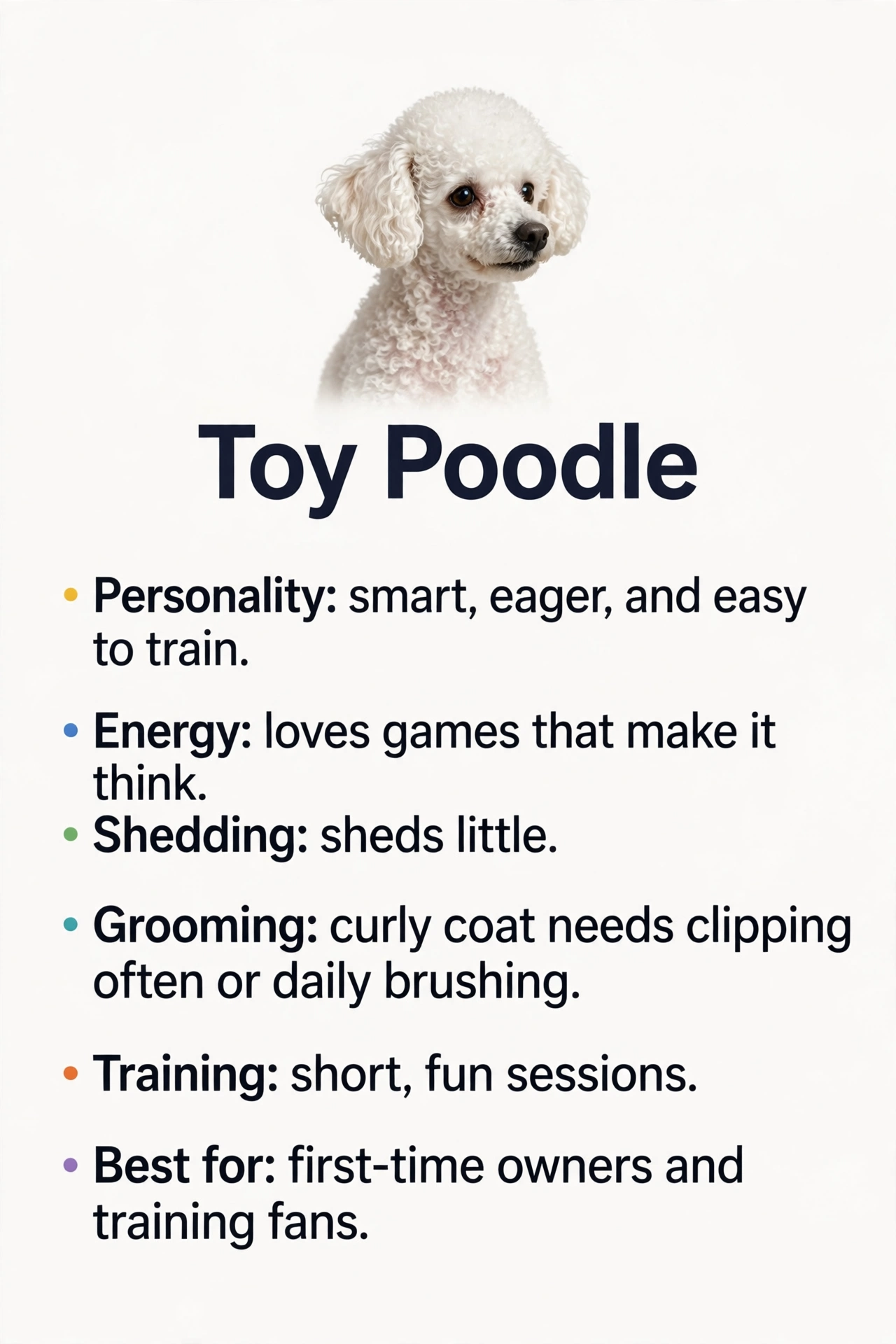
The Toy Poodle is smart, eager, and easy to train, and it learns tricks fast. It loves games that make it think, so train it with short, fun sessions and give it puzzle toys and short walks.
Its curly coat needs clipping often or daily brushing, and it sheds little, which suits homes that want a low-shed dog. Best for first-timers, training fans, and anyone who wants a clever small dog.
Papillon
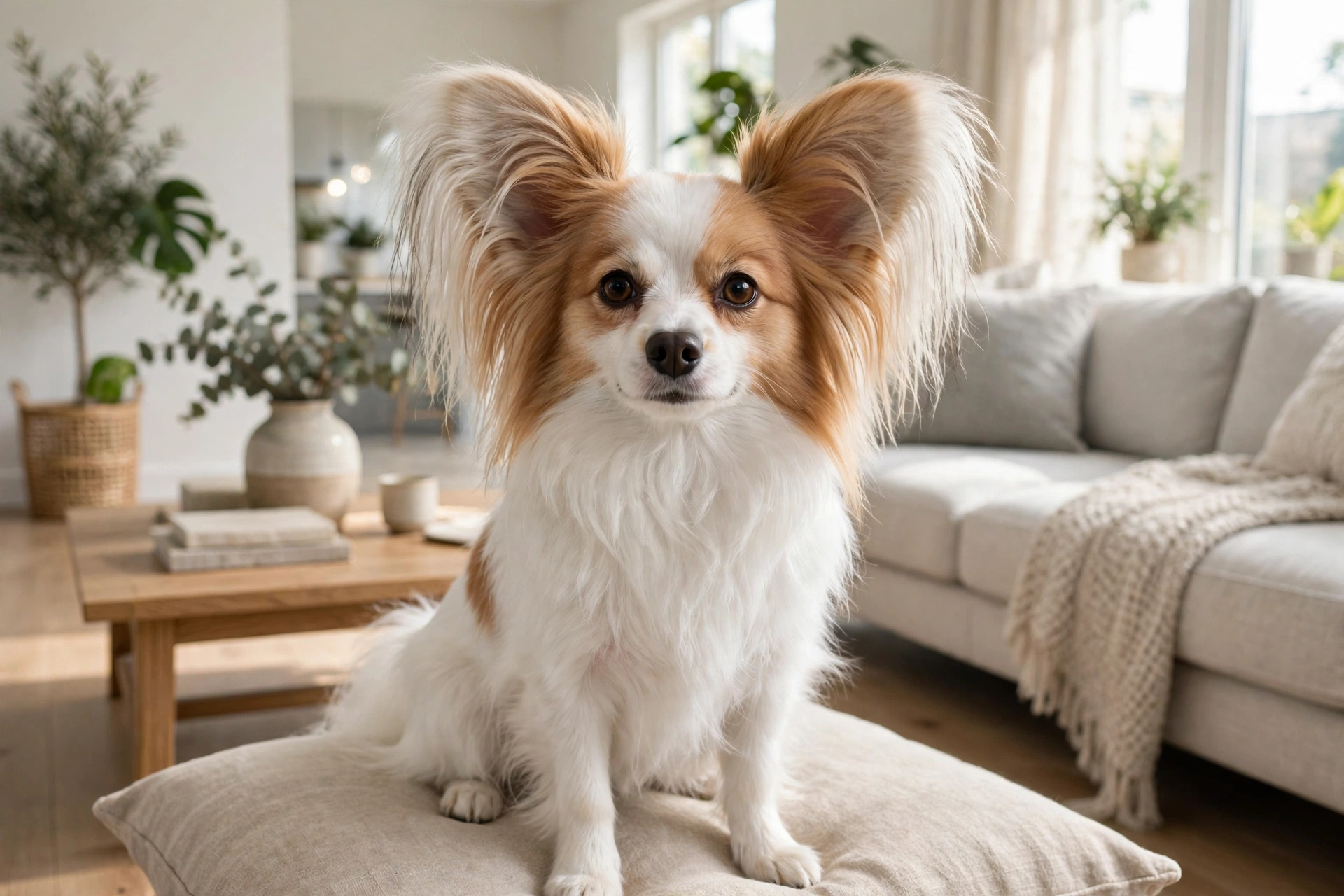
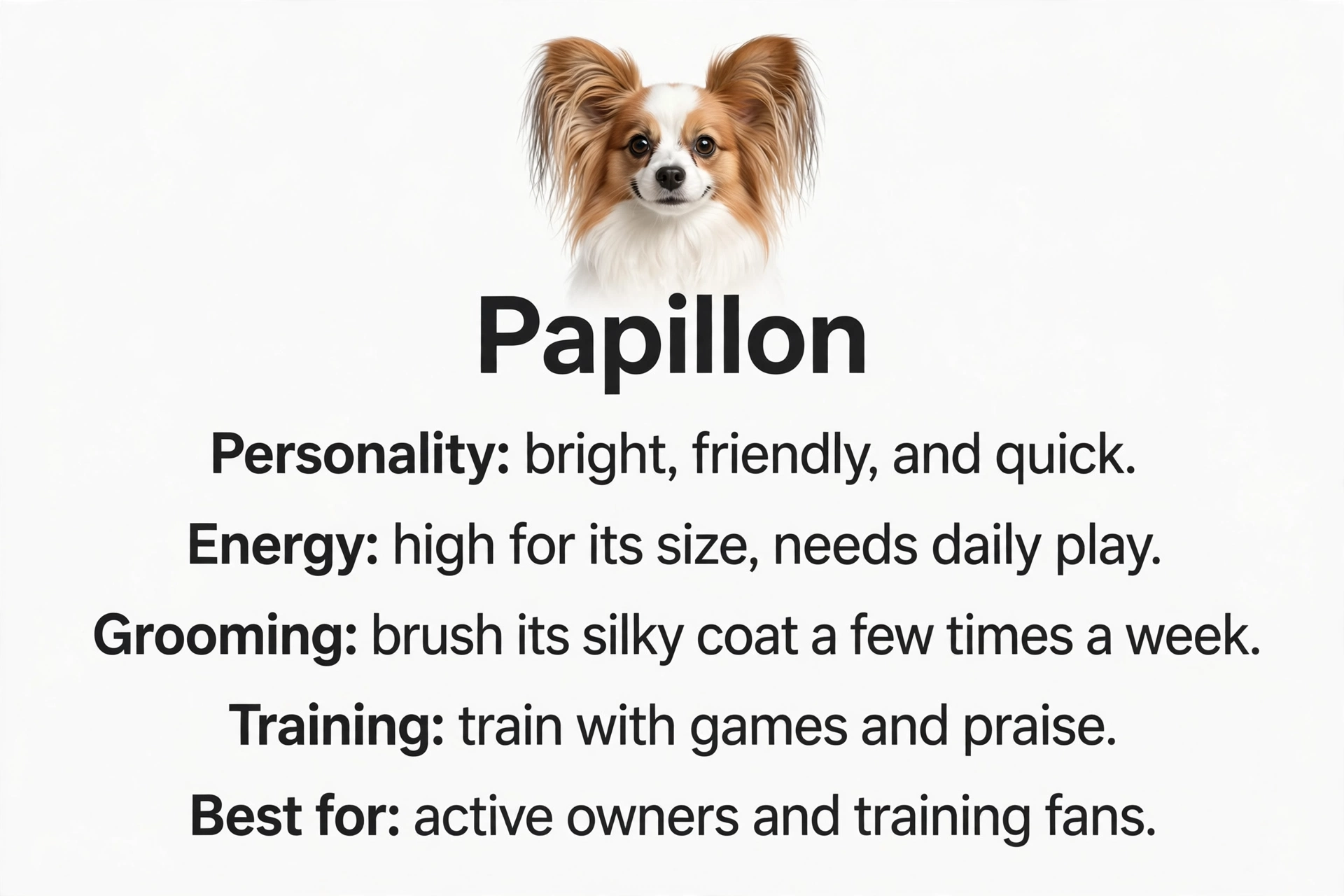
The Papillon is bright, friendly, and quick, with large, fringed ears and a happy, alert look. It loves to learn and play, so train it with games and praise and give it agility-style play in a safe space.
Its silky coat needs brushing a few times a week, and its energy stays high for its size, so it needs daily play. Best for active people, training fans, and anyone who wants a smart small dog.
Japanese Chin
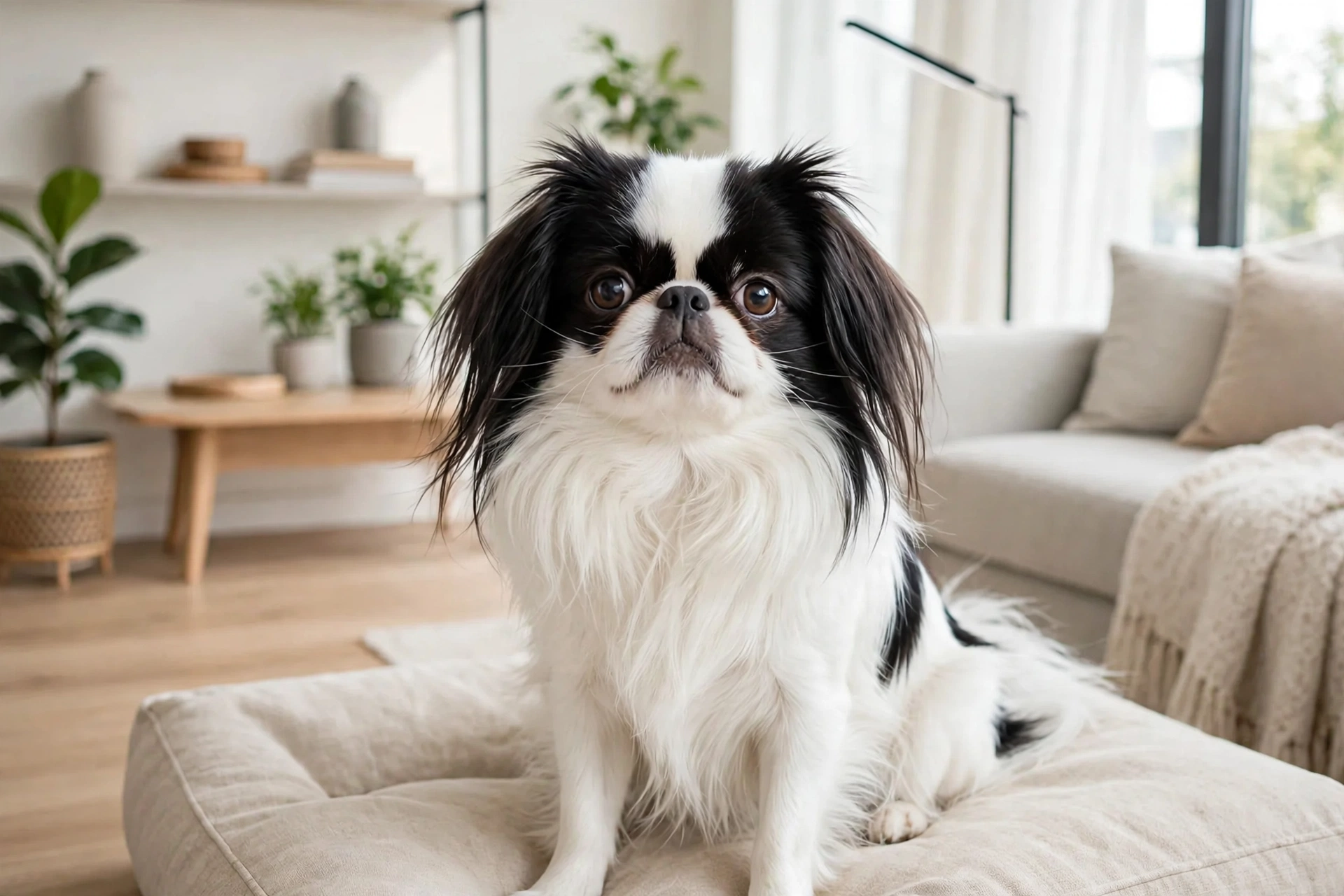
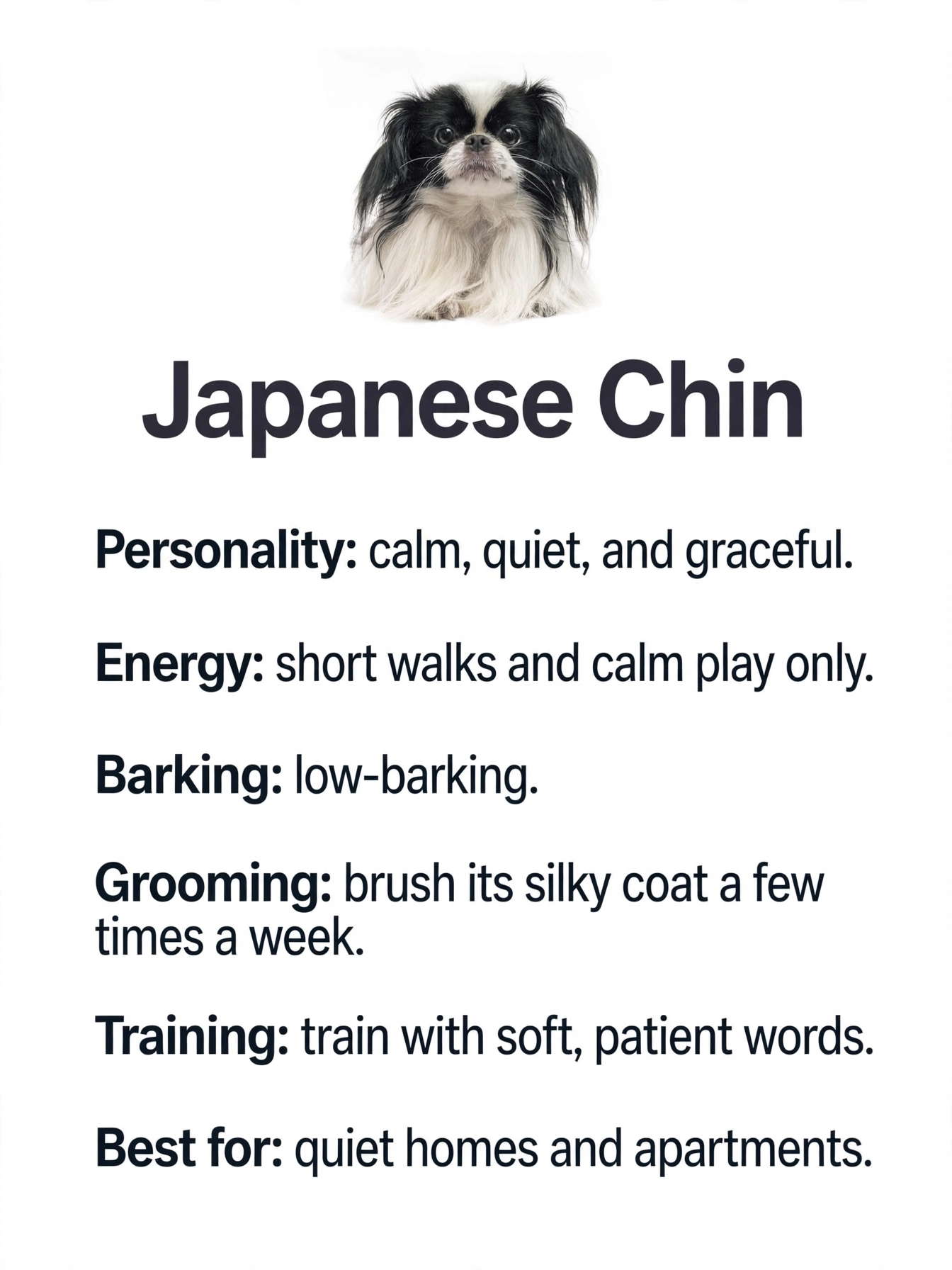
The Japanese Chin is calm, quiet, and graceful, and it loves laps and soft beds. It stays gentle with family and needs only short walks and calm play, which makes it a good fit for quiet homes and apartments.
Brush its silky coat a few times a week, keep it cool in hot weather, and train it with soft, patient words. Best for people who want a calm, low-barking companion.
Italian Greyhound
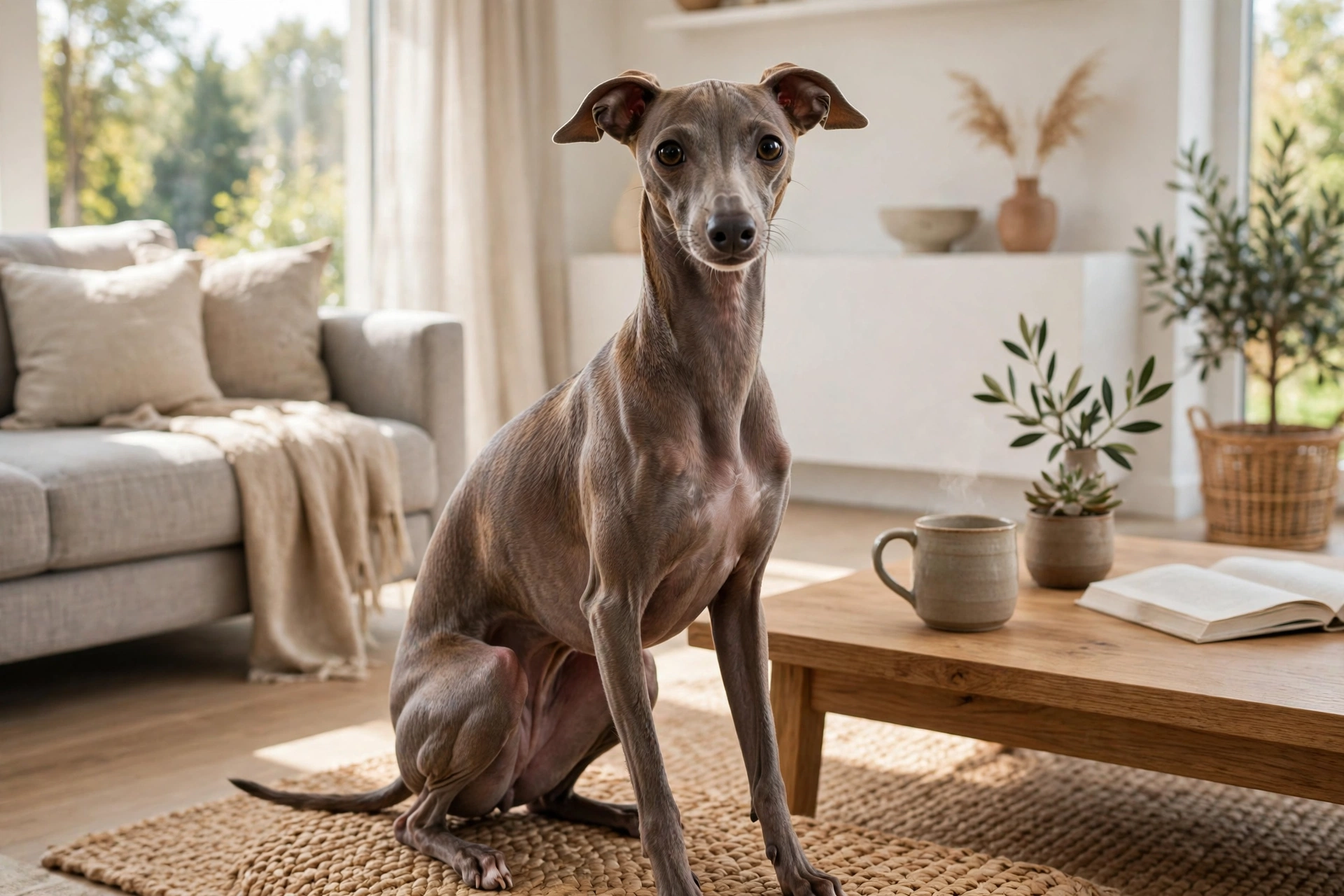
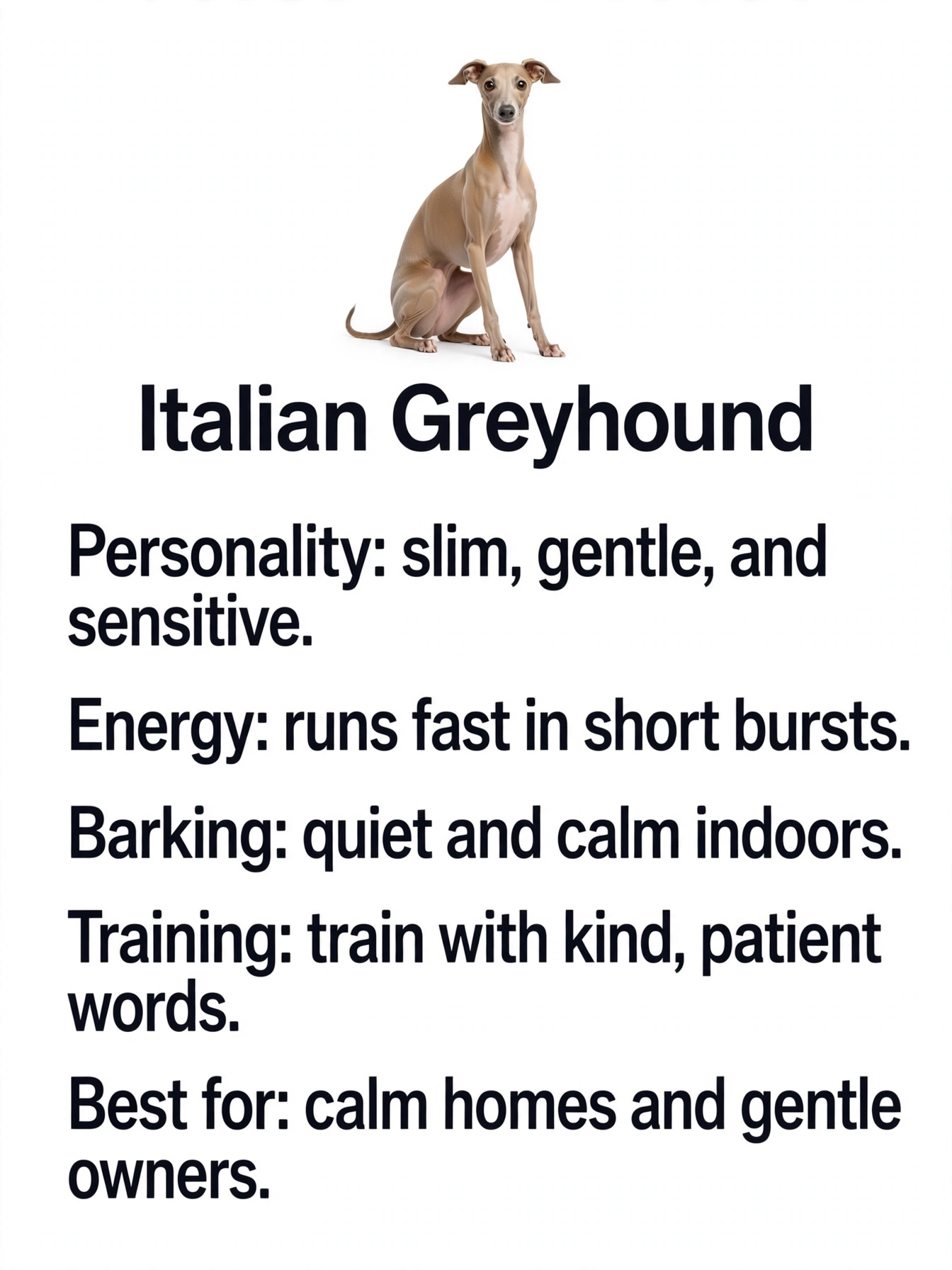
The Italian Greyhound is slim, gentle, and sensitive, and it loves warmth, soft beds, and close contact. It runs fast in short bursts, so give it short runs in a safe, fenced space and keep it warm with a coat in cold weather.
It stays quiet and calm indoors, and you should train it with kind, patient words. Best for calm homes, gentle people, and anyone who wants a quiet, graceful dog.
Russian Bolonka
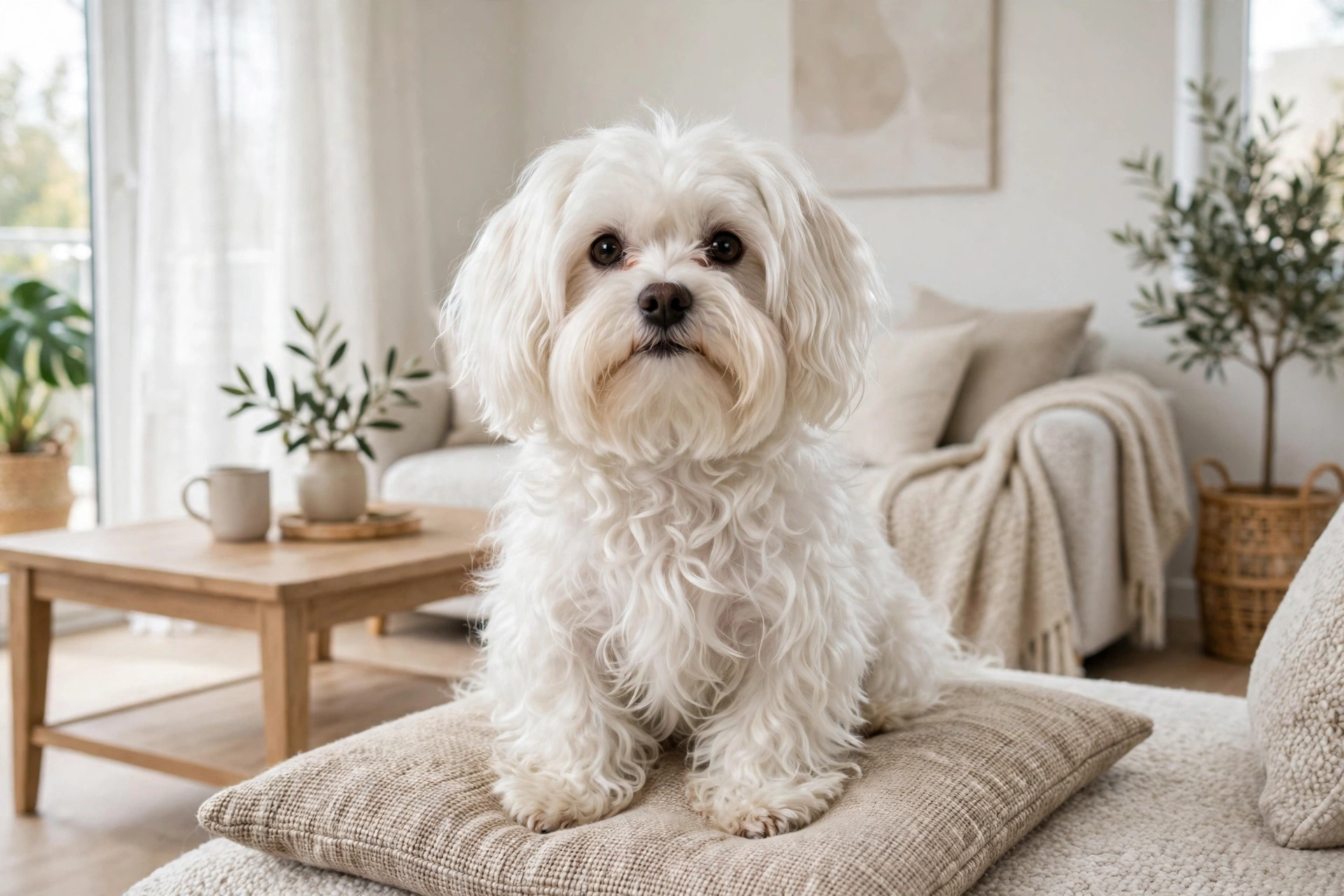
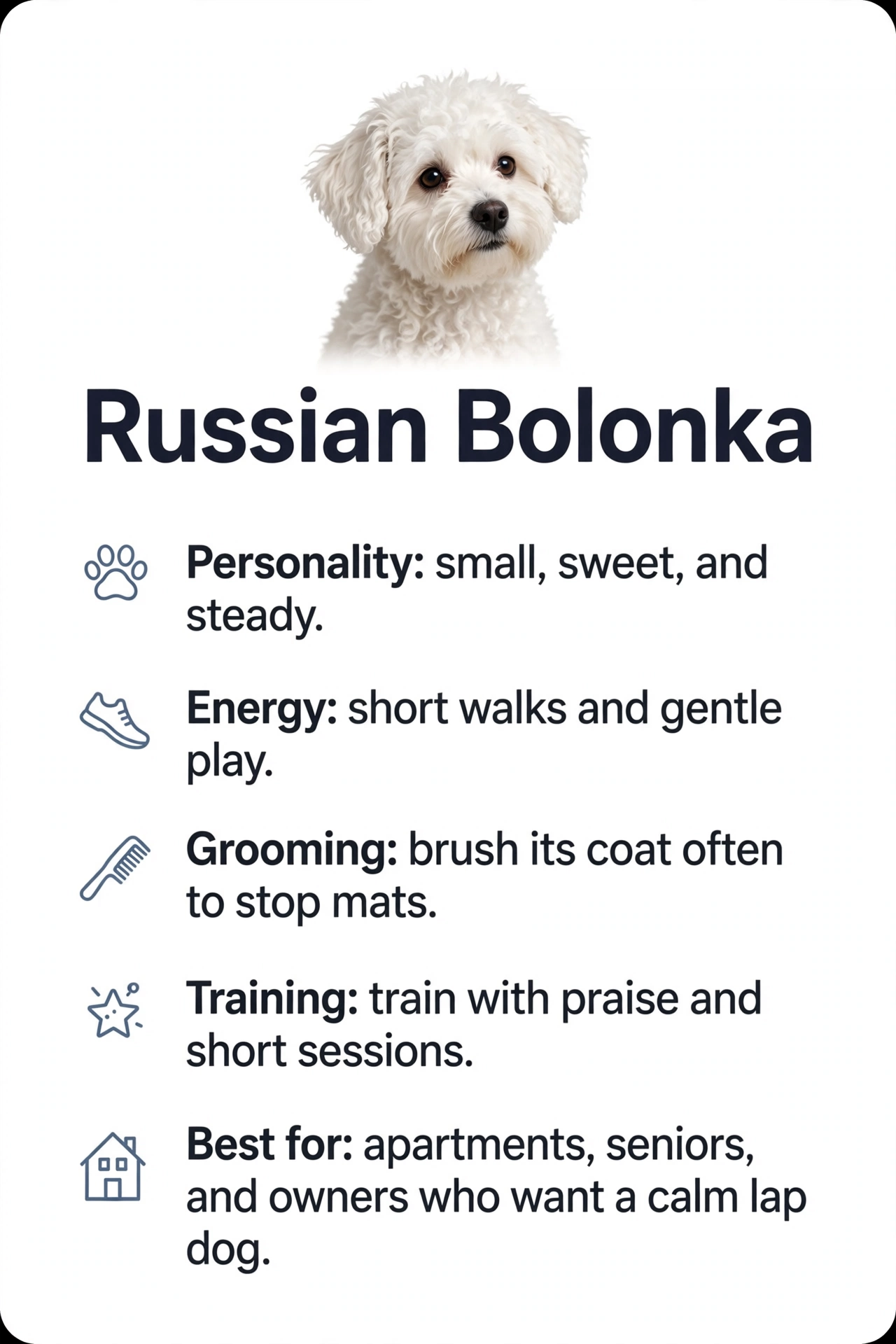
The Russian Bolonka is small, sweet, and steady, and it loves people and stays close to you. It suits calm, indoor life, so give it short walks and gentle play and train it with praise and short sessions.
Its coat needs brushing often to stop mats, and its calm temper makes it easy to live with in a small space. Best for apartments, seniors, and people who want a calm lap dog.
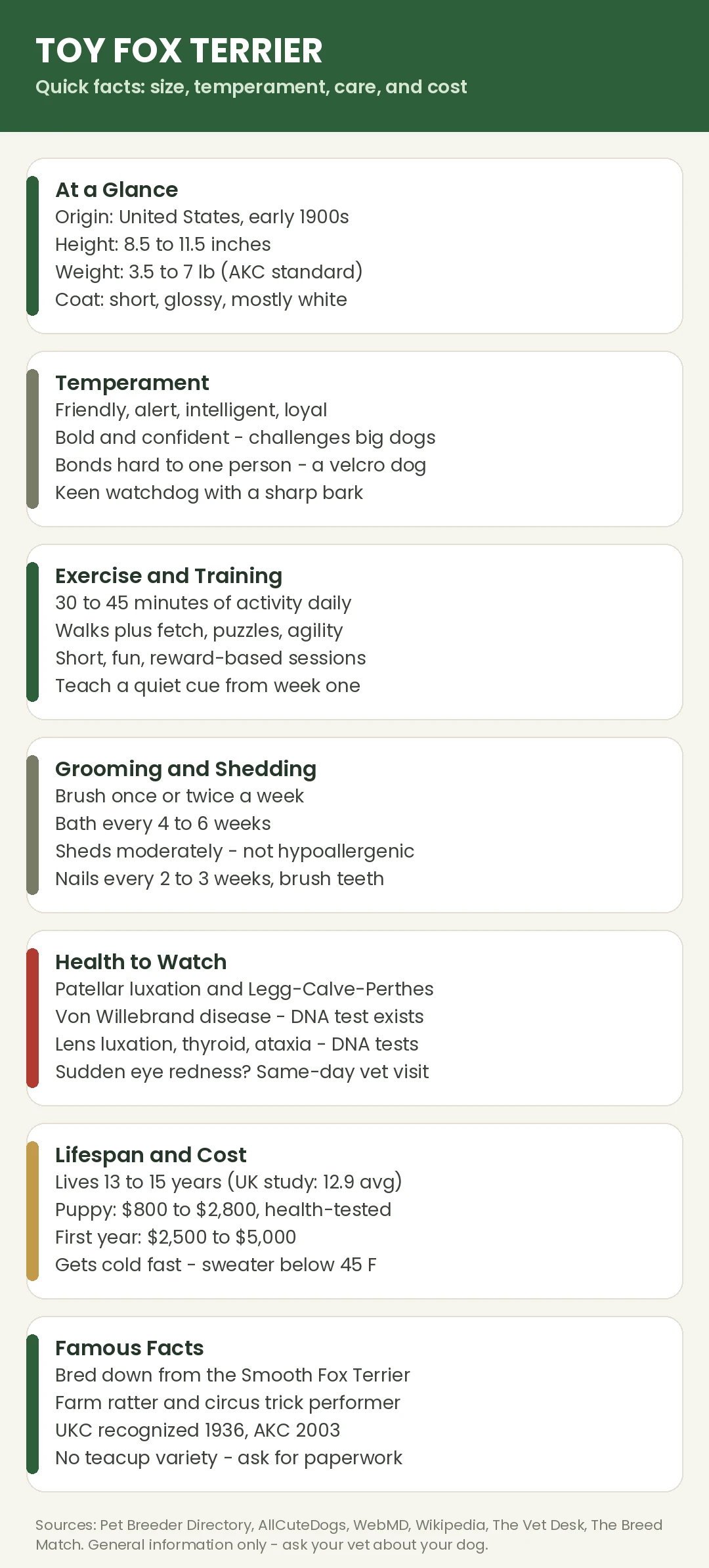
Toy Fox Terrier
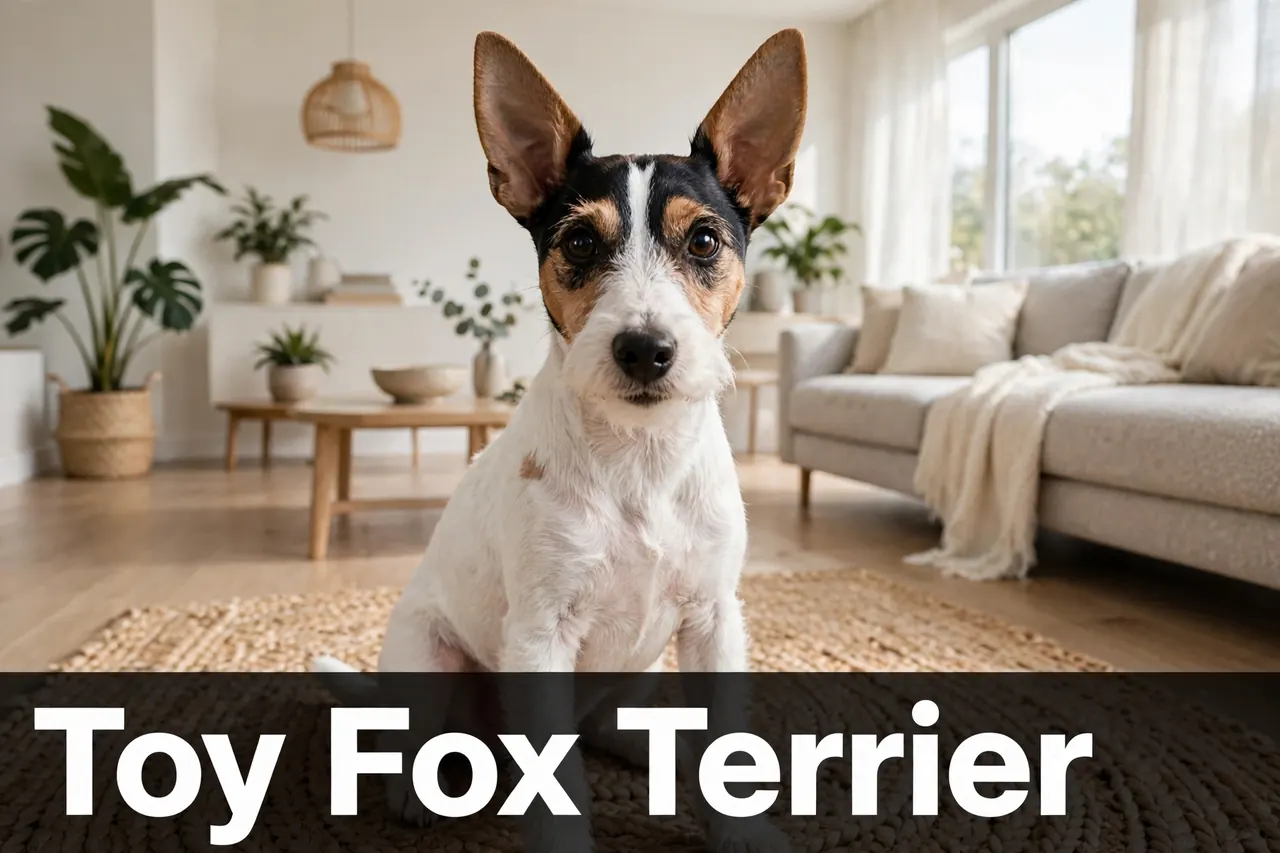
The Toy Fox Terrier is tiny, bright, and bold, and it loves to play, chase toys, and learn tricks. It stays alert and active, so give it daily play and short walks and train it with games and praise.
Its short coat is easy to care for and needs brushing only once a week. Best for active people, small homes, and anyone who wants a lively toy breed.
Companion and Lap Breeds
Companion breeds live for people time. They love laps, cuddles, and calm days at home. They suit families, seniors, and apartments, but they still need walks, play, and training.
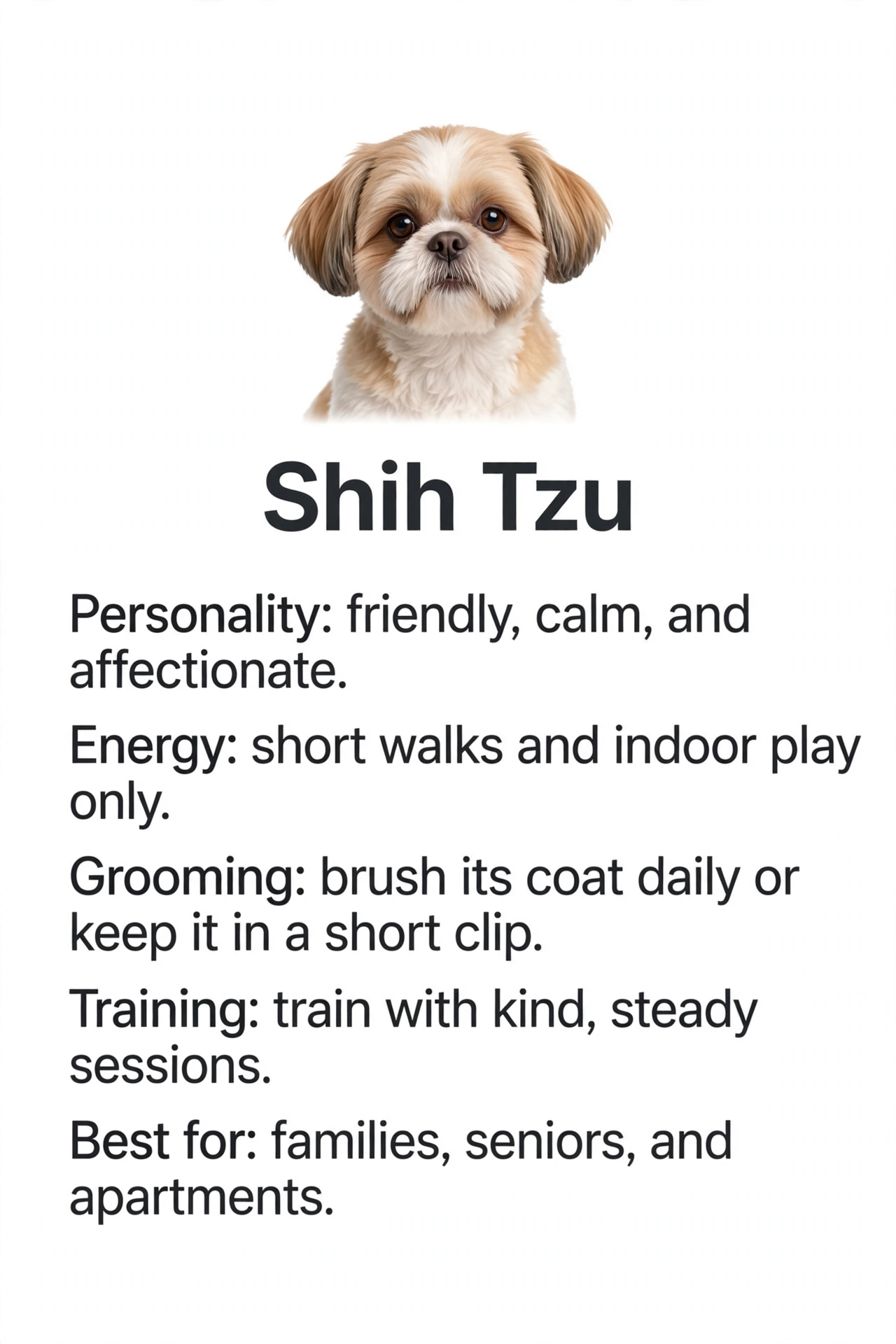
Shih Tzu
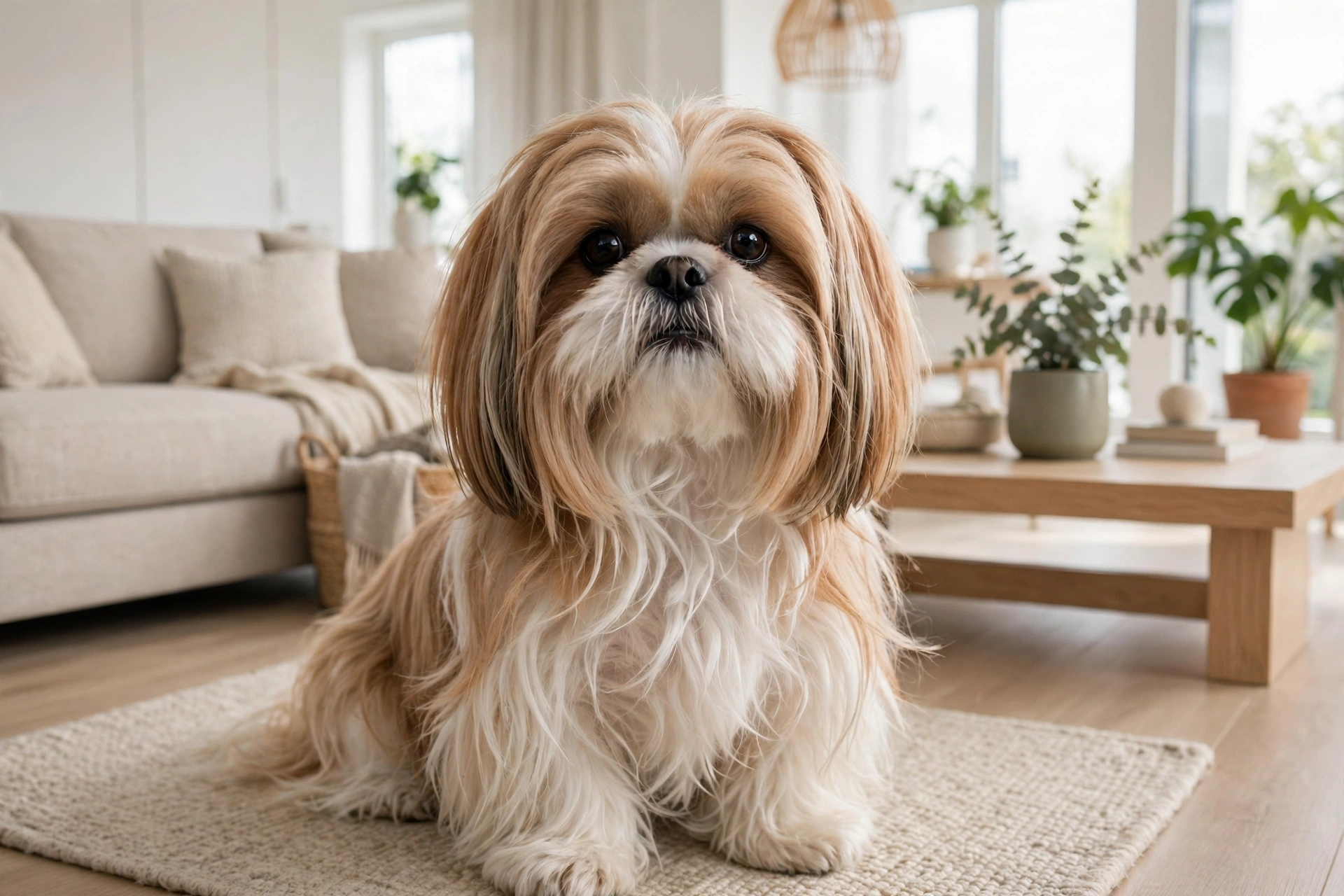
The Shih Tzu is friendly, calm, and affectionate, and it loves laps and family time. It stays gentle with kids and guests, and it needs only short walks and indoor play each day.
Brush its coat daily or keep it in a short clip, and keep its face clean and its eyes clear. Train it with kind, steady sessions. Best for families, seniors, apartments, and people who want a calm lap dog.
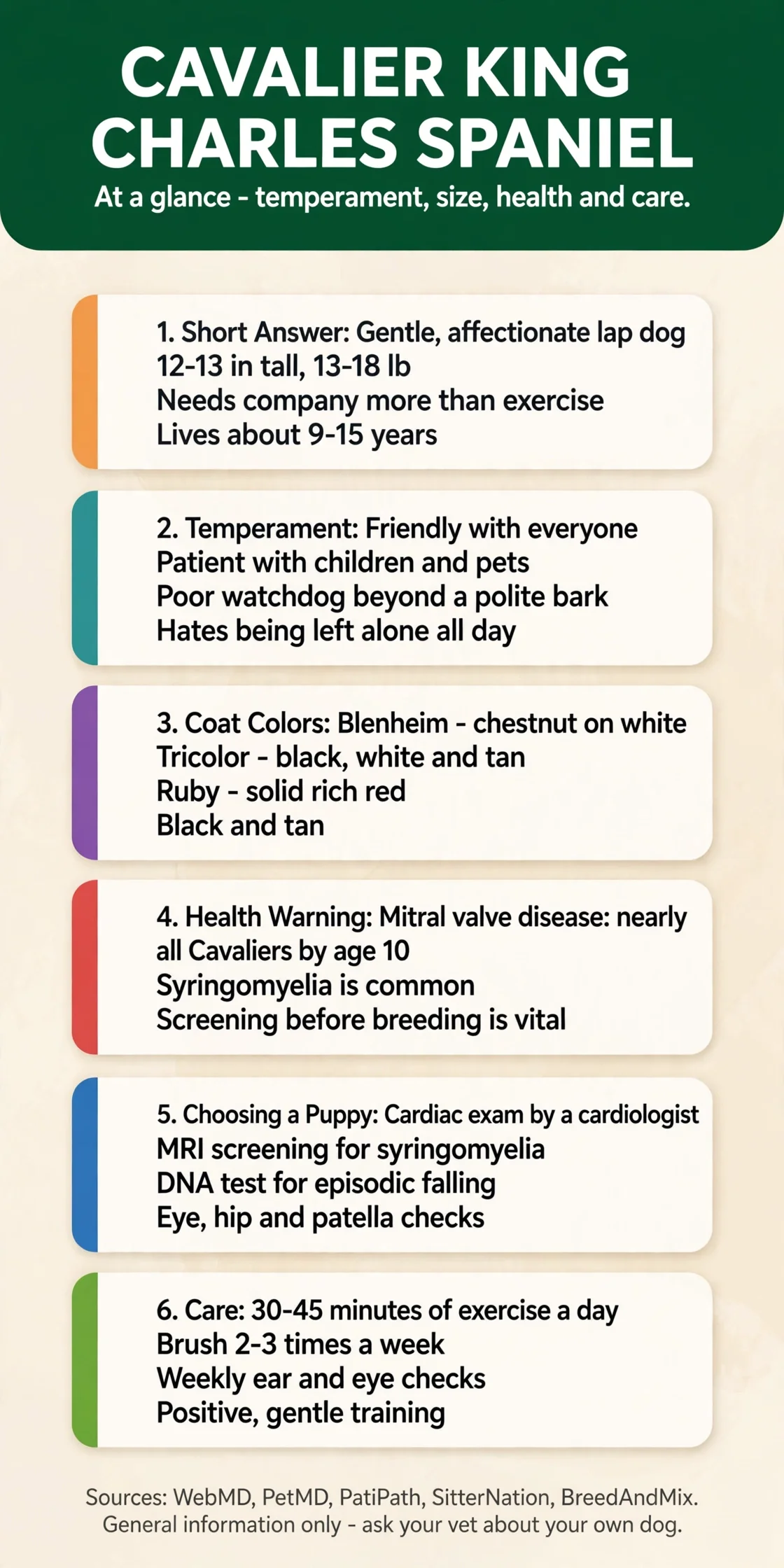
Cavalier King Charles Spaniel

The Cavalier King Charles Spaniel is sweet, gentle, and loving, and it follows you from room to room. It loves cuddles and calm play, and it needs only short walks and gentle games each day.
Brush its silky coat a few times a week and train it with praise and soft words. It stays quiet and easy to live with, so it suits families, seniors, and first-timers who want comfort and calm.
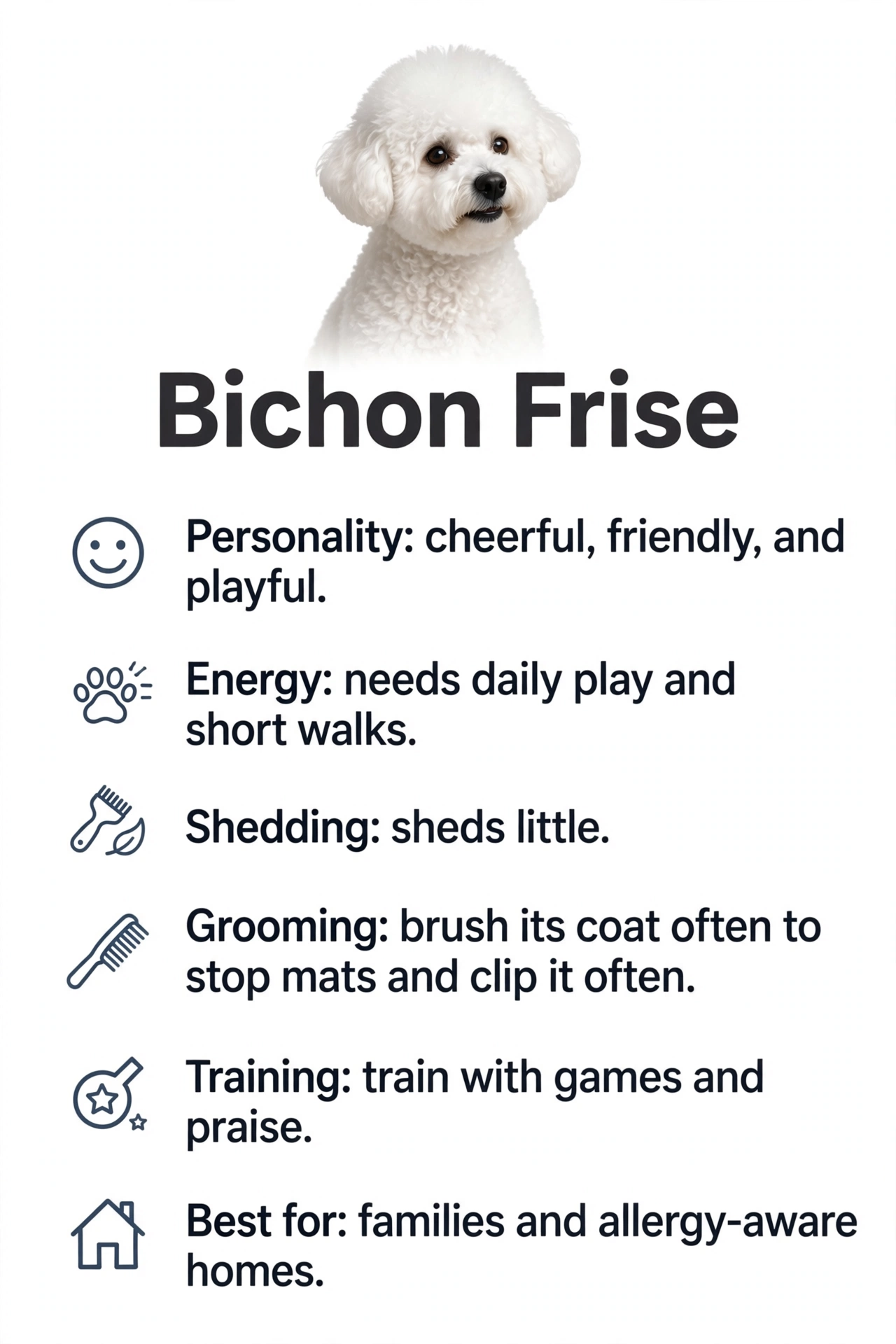
Bichon Frise

The Bichon Frise is cheerful, friendly, and playful, and it loves people and loves to make them smile. It stays happy in family life and needs daily play and short walks, and you should train it with games and praise.
Brush its coat often to stop mats and clip it often, or ask a groomer for help, since its coat needs regular care even though it sheds little. Best for families and allergy-aware homes that want a low-shed dog.
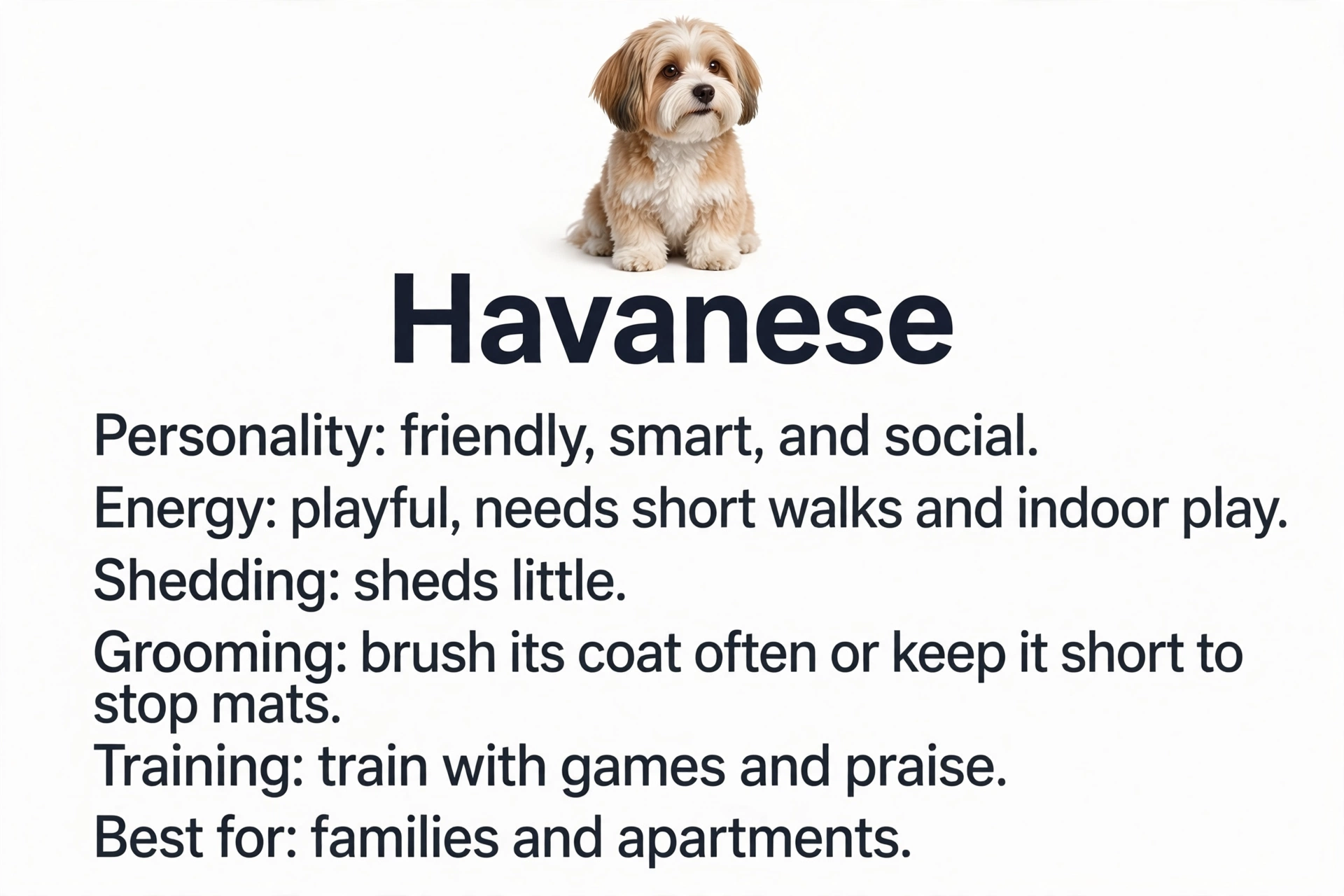
Havanese
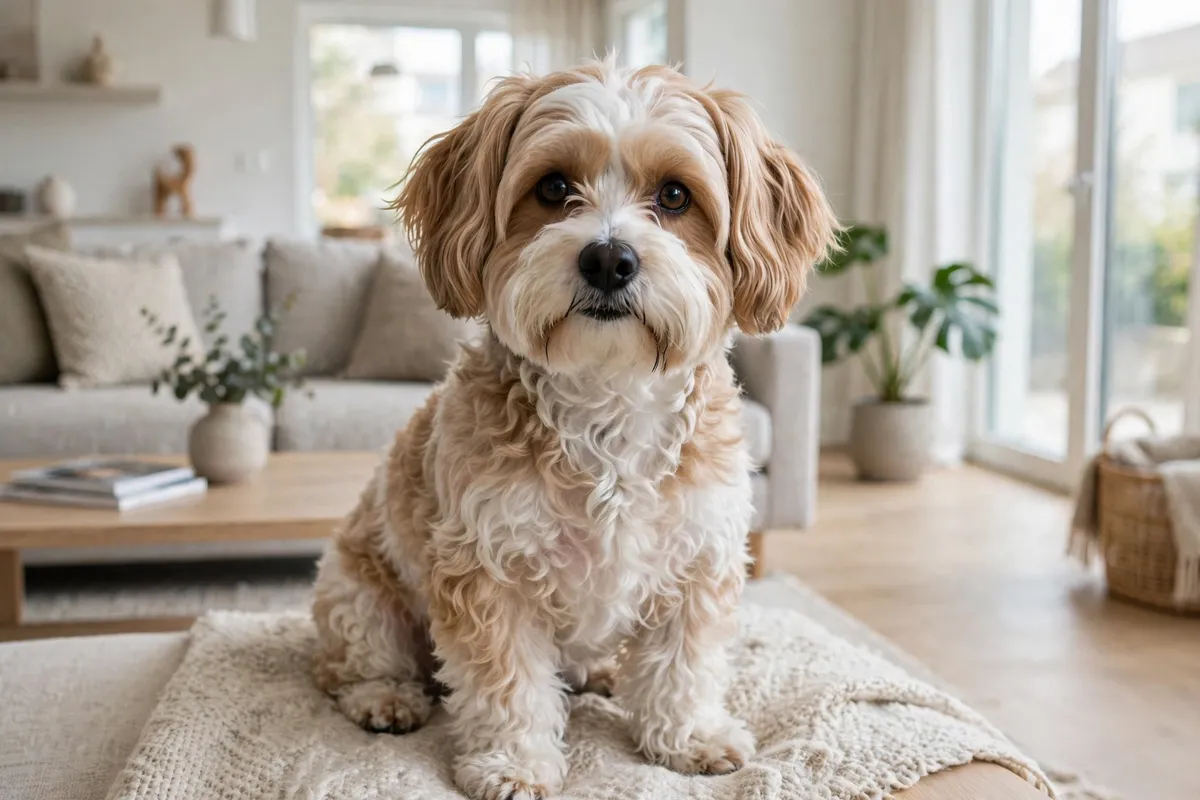
The Havanese is friendly, smart, and social, and it loves family time and learns fast. It stays playful without going wild, so give it short walks and indoor play and train it with games and praise.
Brush its coat often or keep it short to stop mats, and it sheds little, which suits homes that want a low-shed dog. Best for families, apartments, and people who want a friendly, easy companion.
Pug
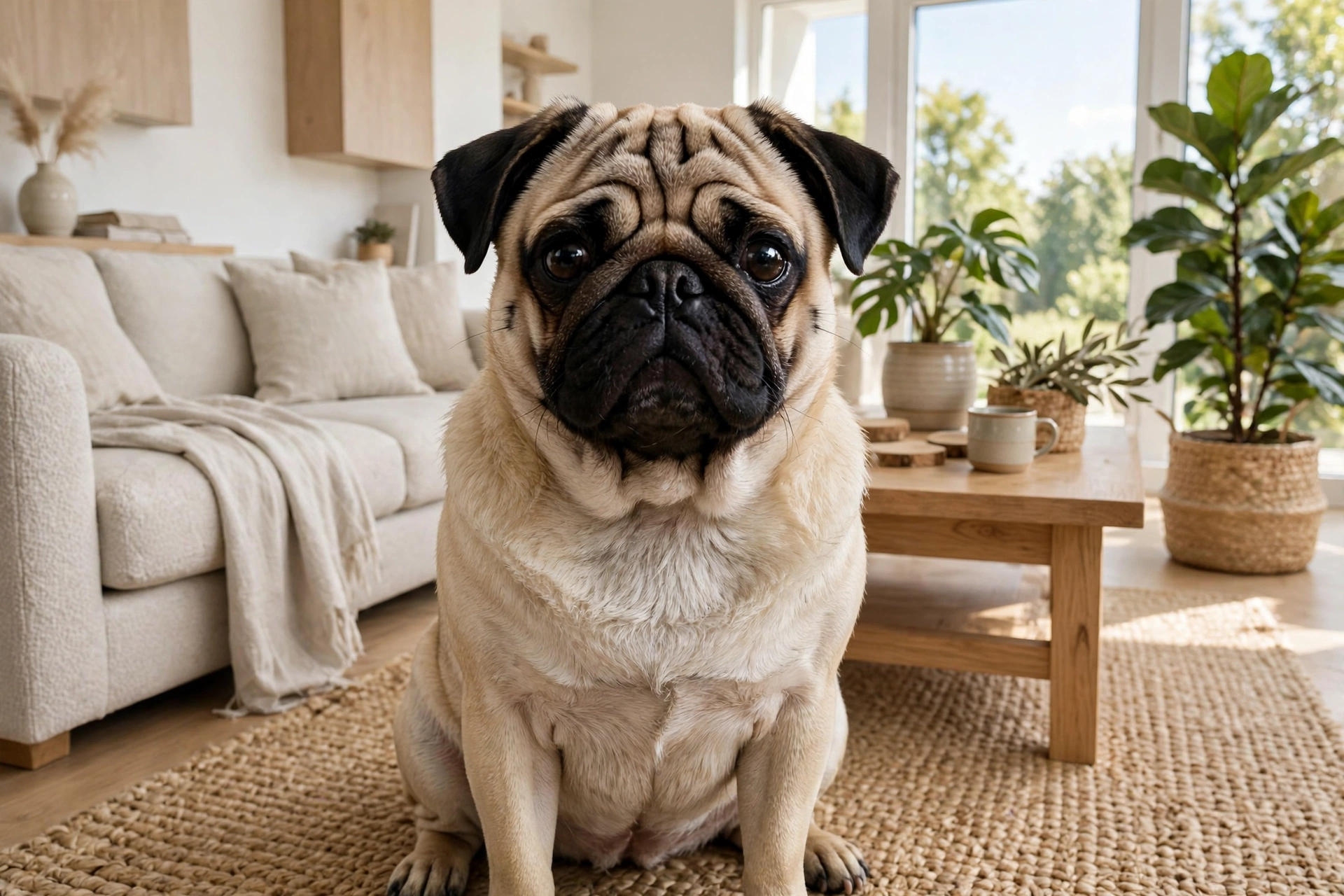
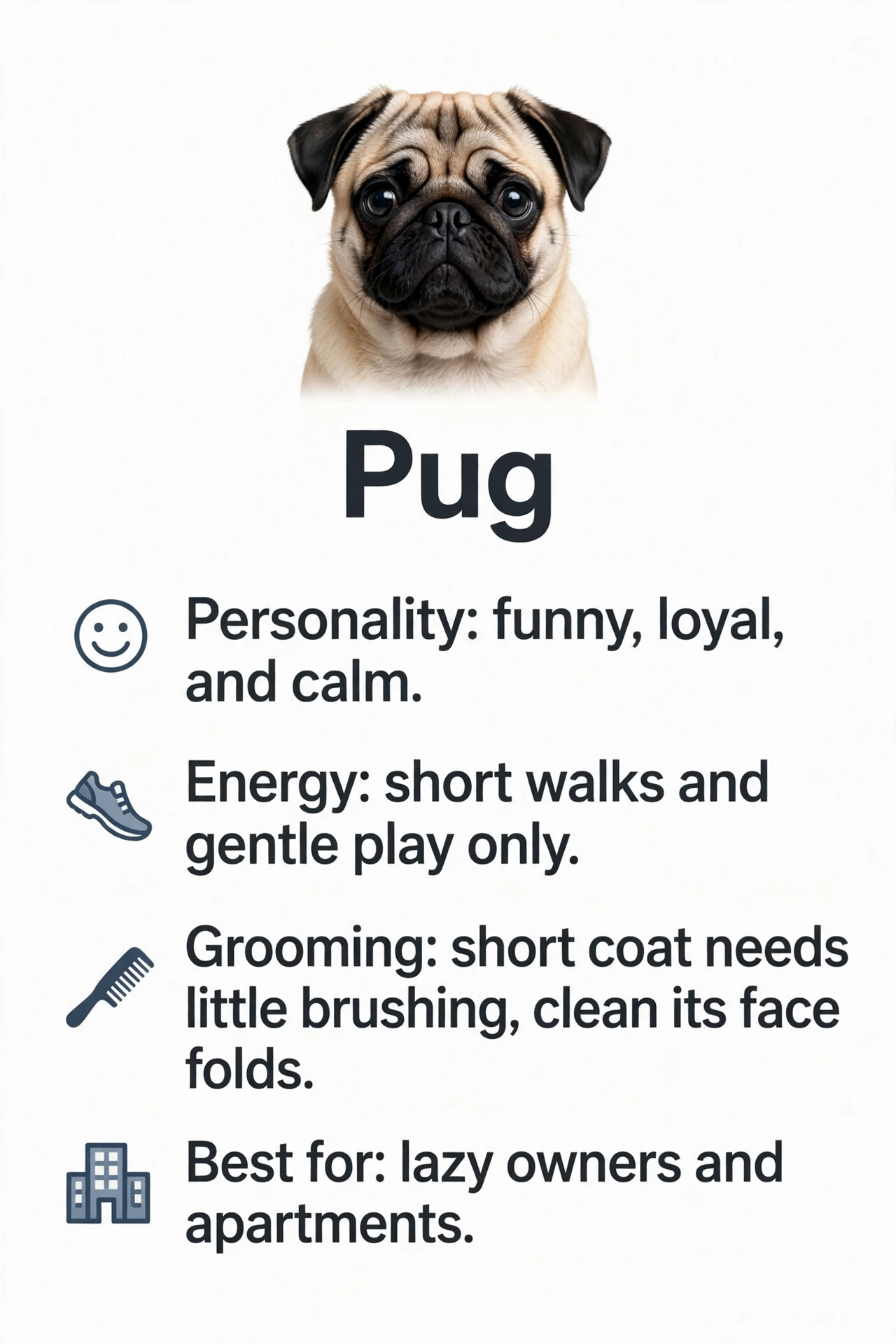
The Pug is funny, loyal, and calm, and it loves food, naps, and time with you. It makes people laugh with its round face and snorts, and it needs only short walks and gentle play each day.
Watch its weight, keep treats small, clean its face folds, and keep it cool in hot weather. Its short coat needs little brushing. Best for easygoing people, apartments, and anyone who wants a funny, loyal friend.
Lhasa Apso
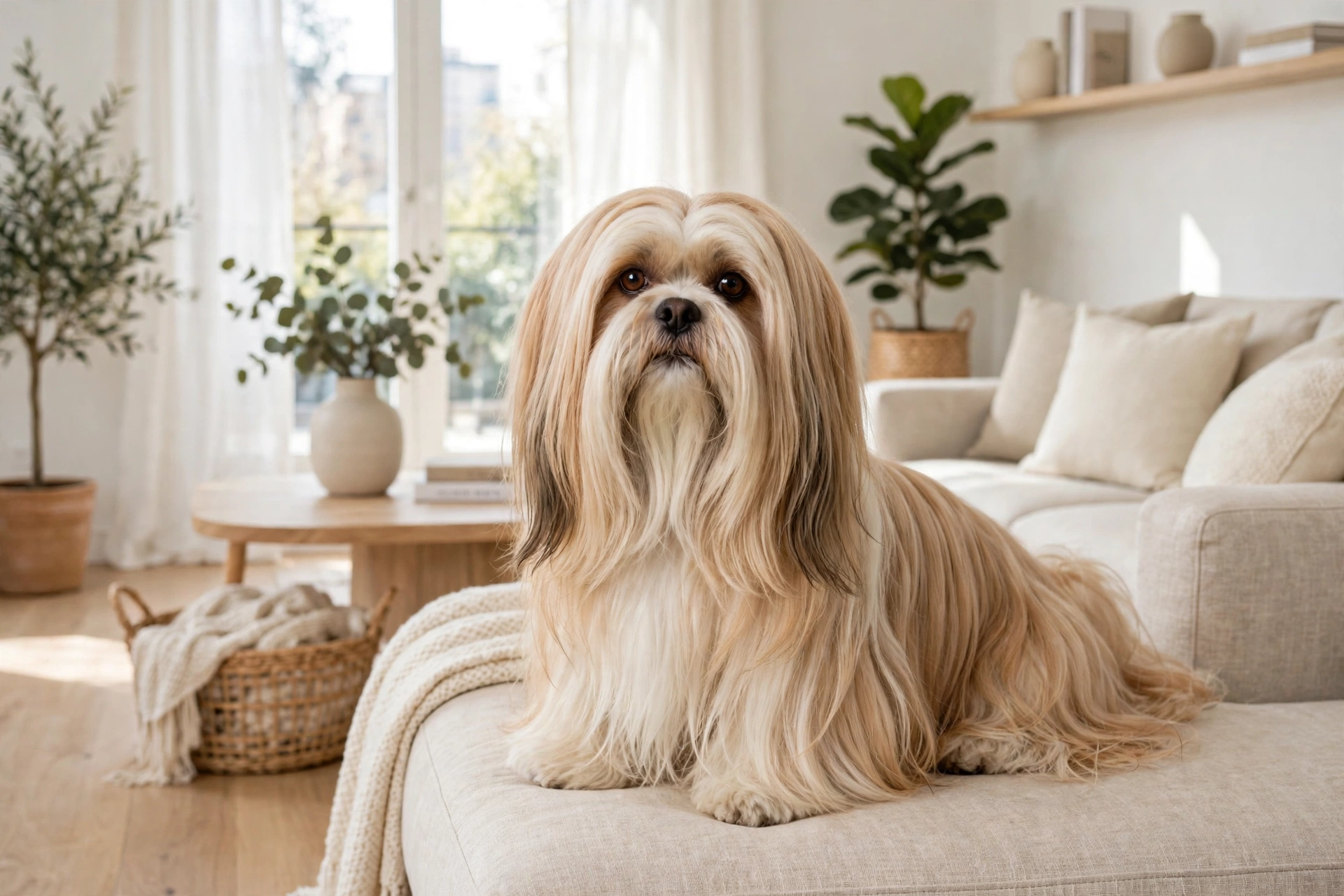
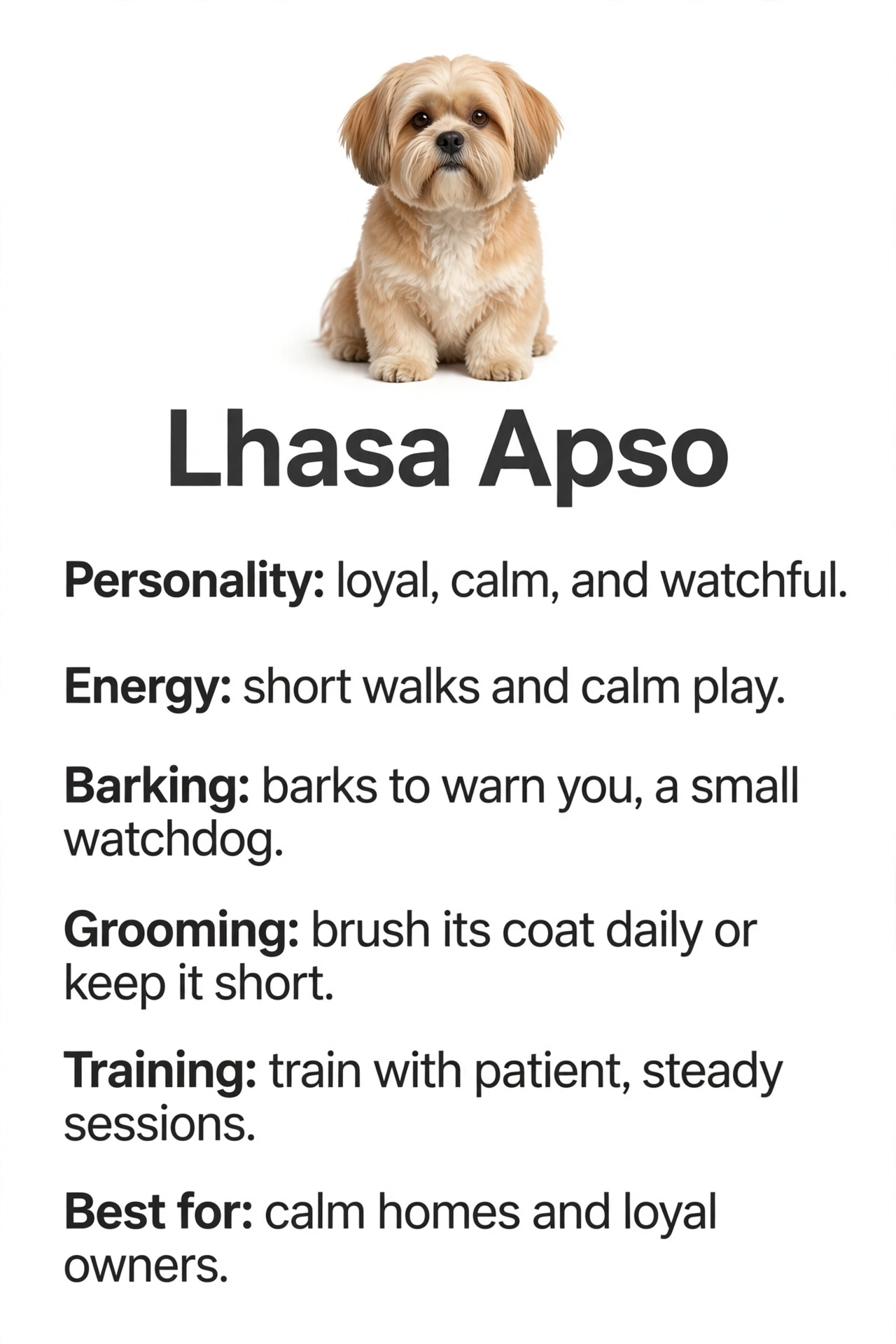
The Lhasa Apso is loyal, calm, and watchful, and it loves its family and stays alert at home. It can act shy with strangers, so socialize it early and train it with patient, steady sessions.
Give it short walks and calm play, and brush its coat daily or keep it short to stop mats. It barks to warn you, so it works as a small watchdog. Best for calm homes and loyal people who want a watchful lap dog.
Pekingese
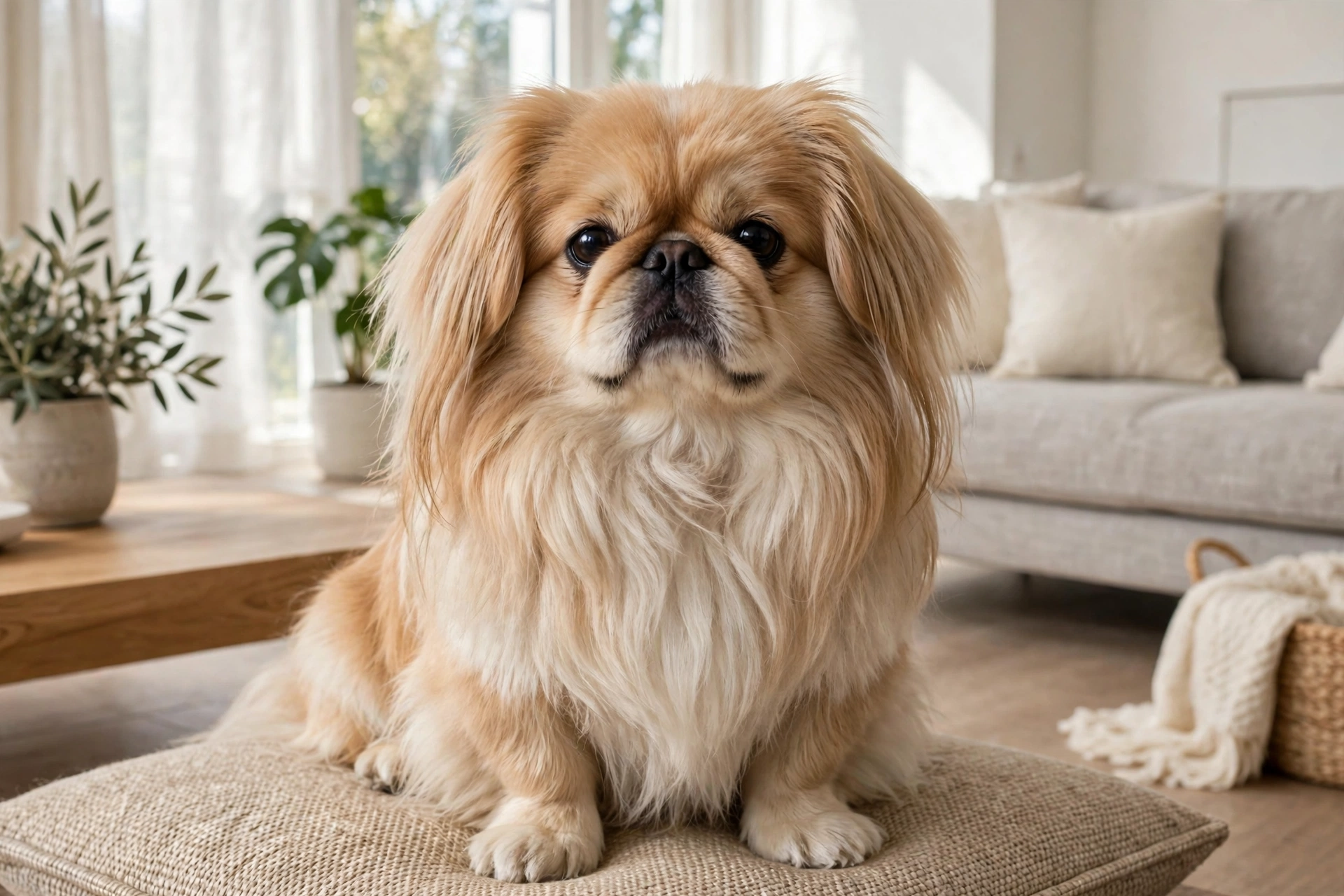
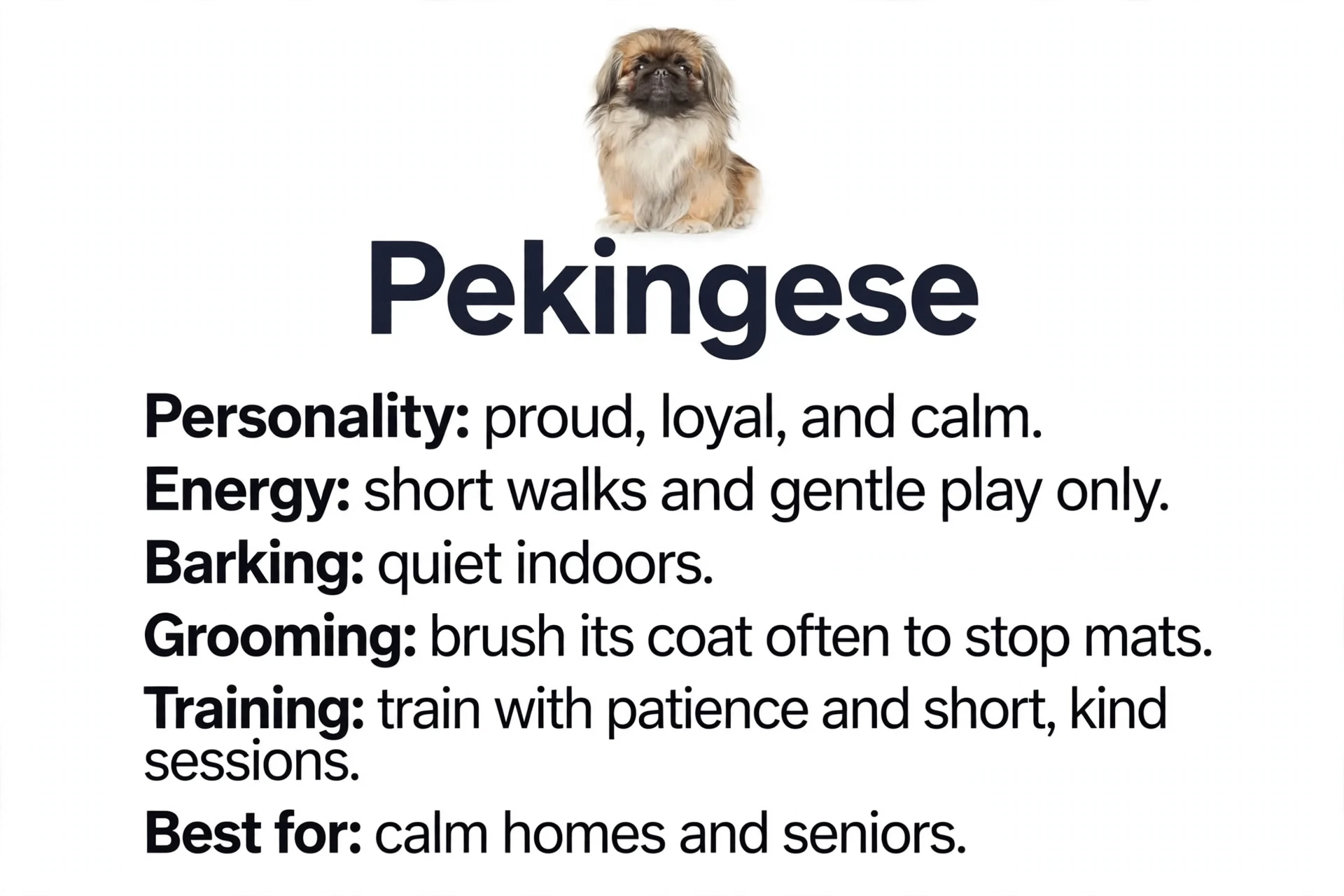
The Pekingese is proud, loyal, and calm, and it loves laps and quiet time. It can act stubborn, so train it with patience and short, kind sessions, and give it short walks and gentle play each day.
Brush its coat often to stop mats and keep it cool in hot weather, since it tires fast in heat. It stays quiet indoors and bonds closely with you. Best for calm homes, seniors, and people who want a proud, loyal companion.
Coton de Tulear
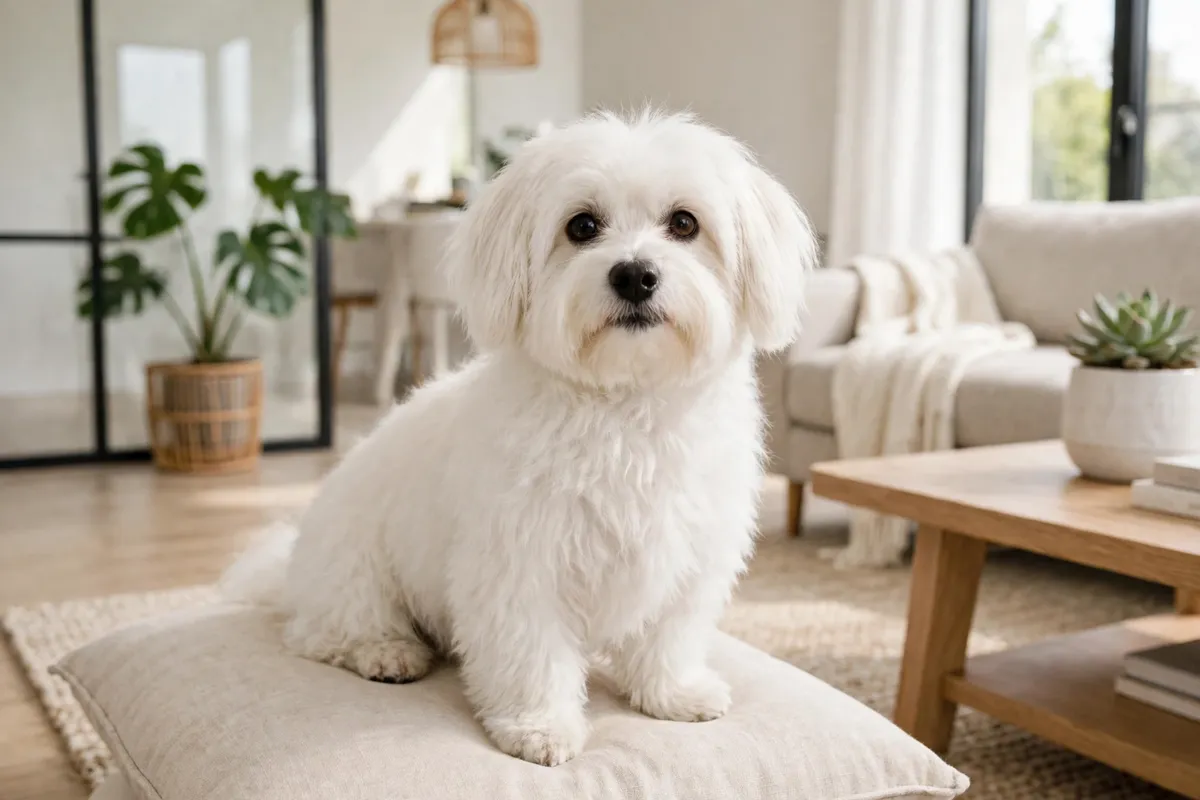
The Coton de Tulear is sweet, playful, and gentle, and it loves family time and stays close to you. It has a soft, cotton-like coat that needs brushing often to stop mats, so give it short walks and daily play and train it with praise and games.
It stays friendly and calm indoors, and its energy is moderate, so it fits most homes. Best for families, apartments, and people who want a soft, friendly dog.
Bolognese
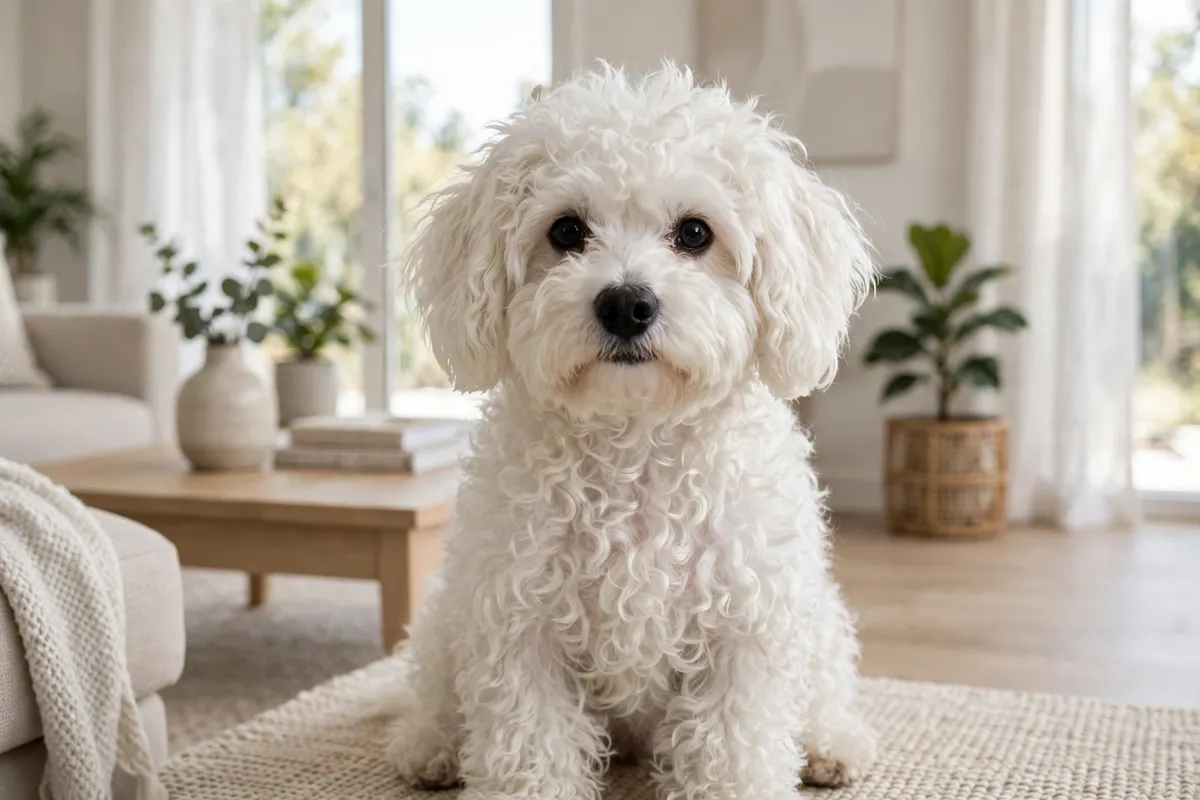
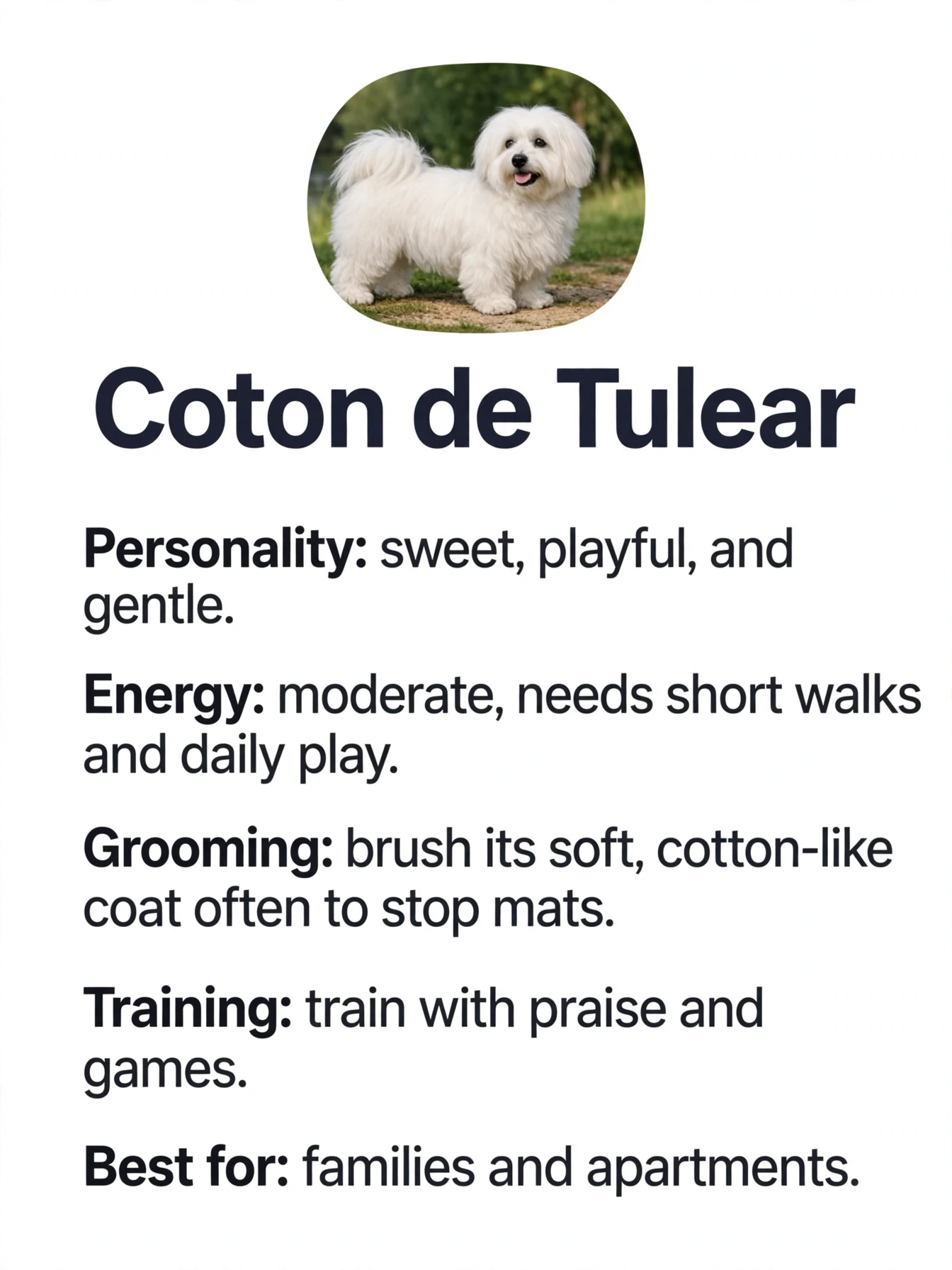
The Bolognese is calm, loyal, and affectionate, and it loves laps and quiet days. It stays gentle with family and needs only short walks and calm play, and you should train it with soft, steady words.
Brush its coat often to stop mats, since its fluffy coat tangles fast if you skip grooming. It is quiet and easy to live with in a small space. Best for calm homes, seniors, and people who want a quiet lap dog.
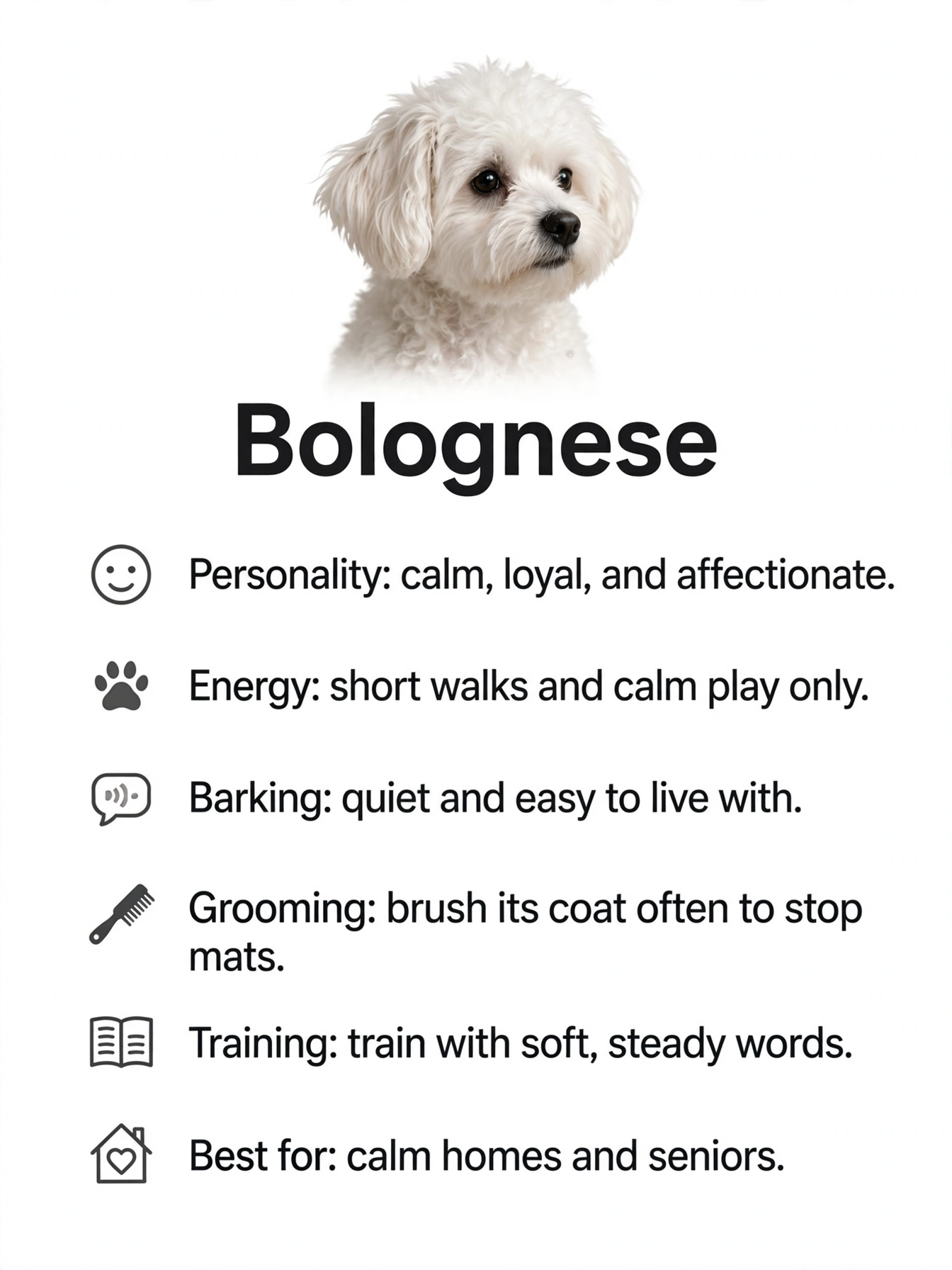
Chinese Crested
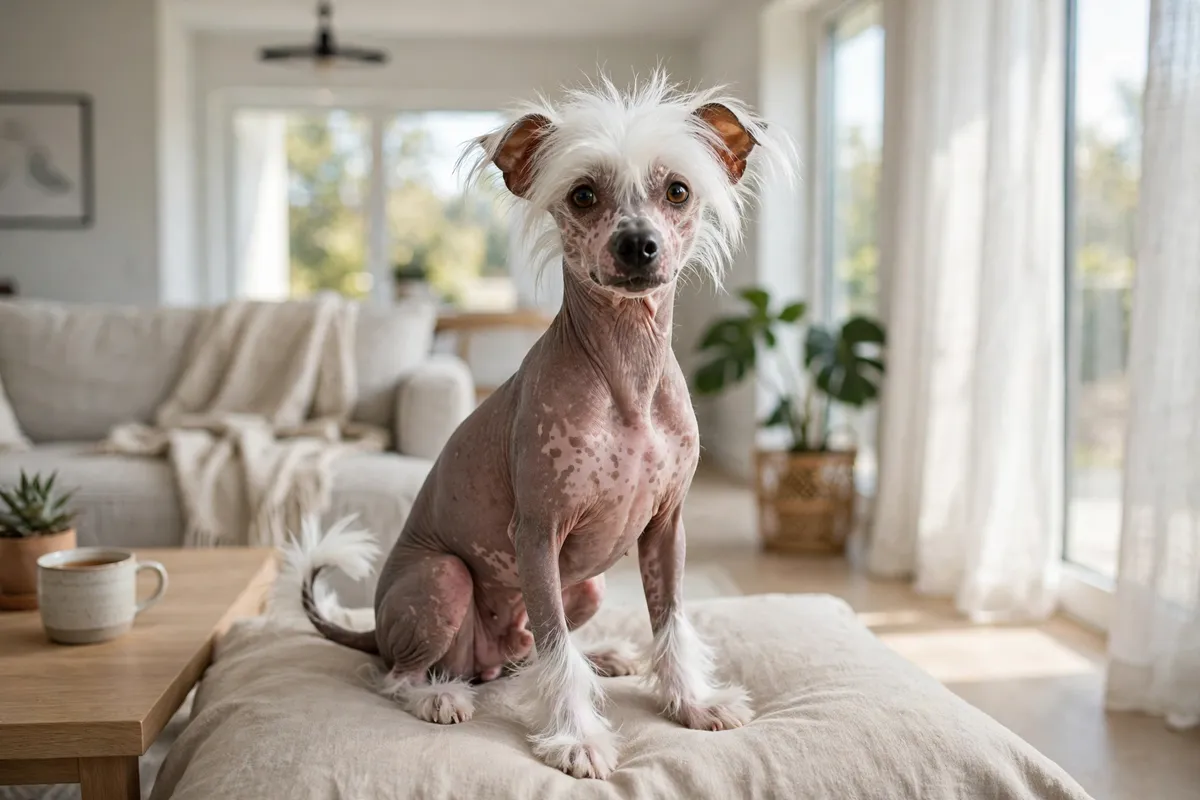
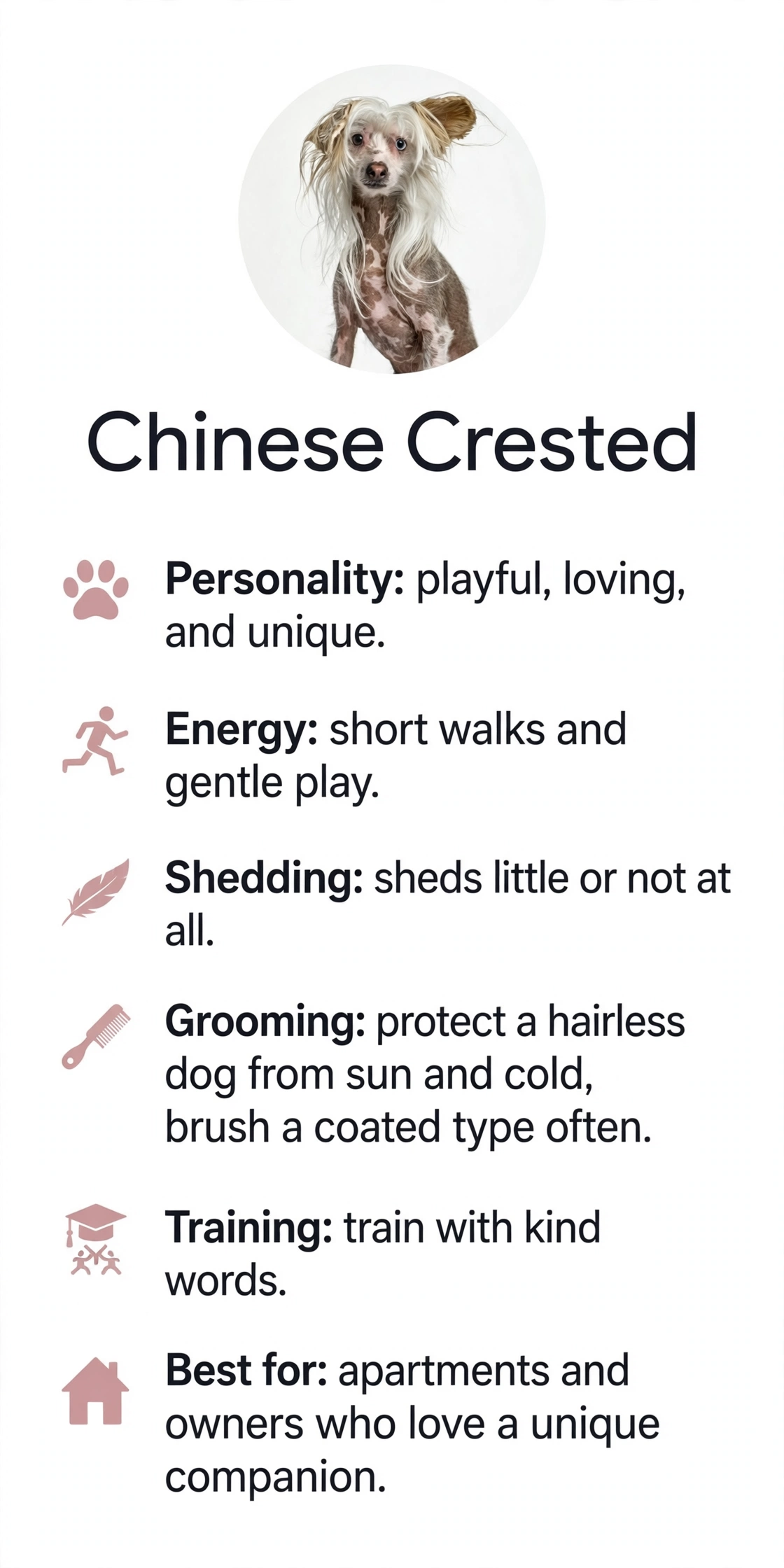
The Chinese Crested is playful, loving, and unique, and it comes in a hairless type and a coated type, and both types love people time.
Give it short walks and gentle play, train it with kind words, and protect a hairless dog from sun and cold, while a coated type needs brushing often. It sheds little or not at all, which suits homes that want a low-shed dog. Best for apartments and people who love a unique companion.
Terriers and Spirited Breeds
Terriers and spirited breeds bring energy, courage, and curiosity. They dig, chase, and explore. They need play, training, and clear rules, or they will make their own fun.
Dachshund (Miniature)
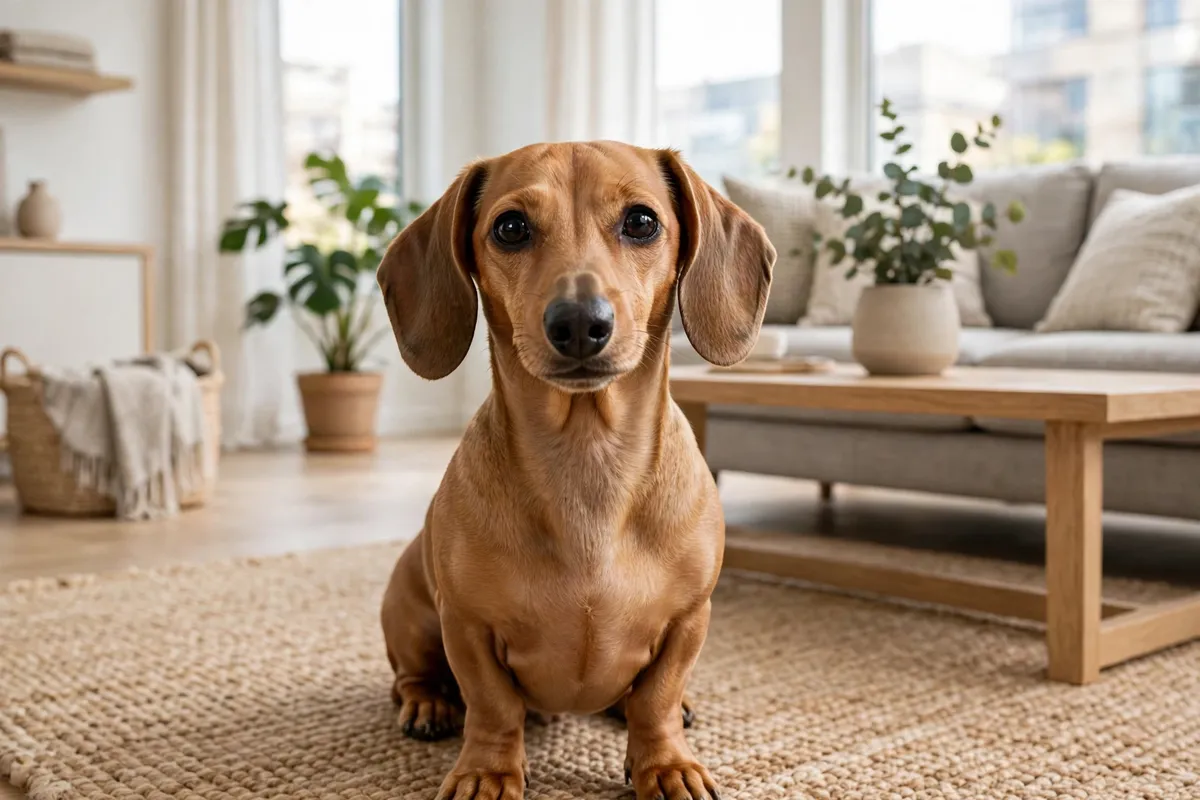
The Miniature Dachshund is brave, curious, and loyal, and it loves to sniff, dig, and follow scents. It stays close to you, so give it short walks and scent games and train it with patience and treats.
Protect its long back from jumps and stairs where you can, and keep its weight in check. Its energy is moderate, and it can bark at new sounds. Best for active families, alert homes, and people who love a bold small dog.

Jack Russell Terrier
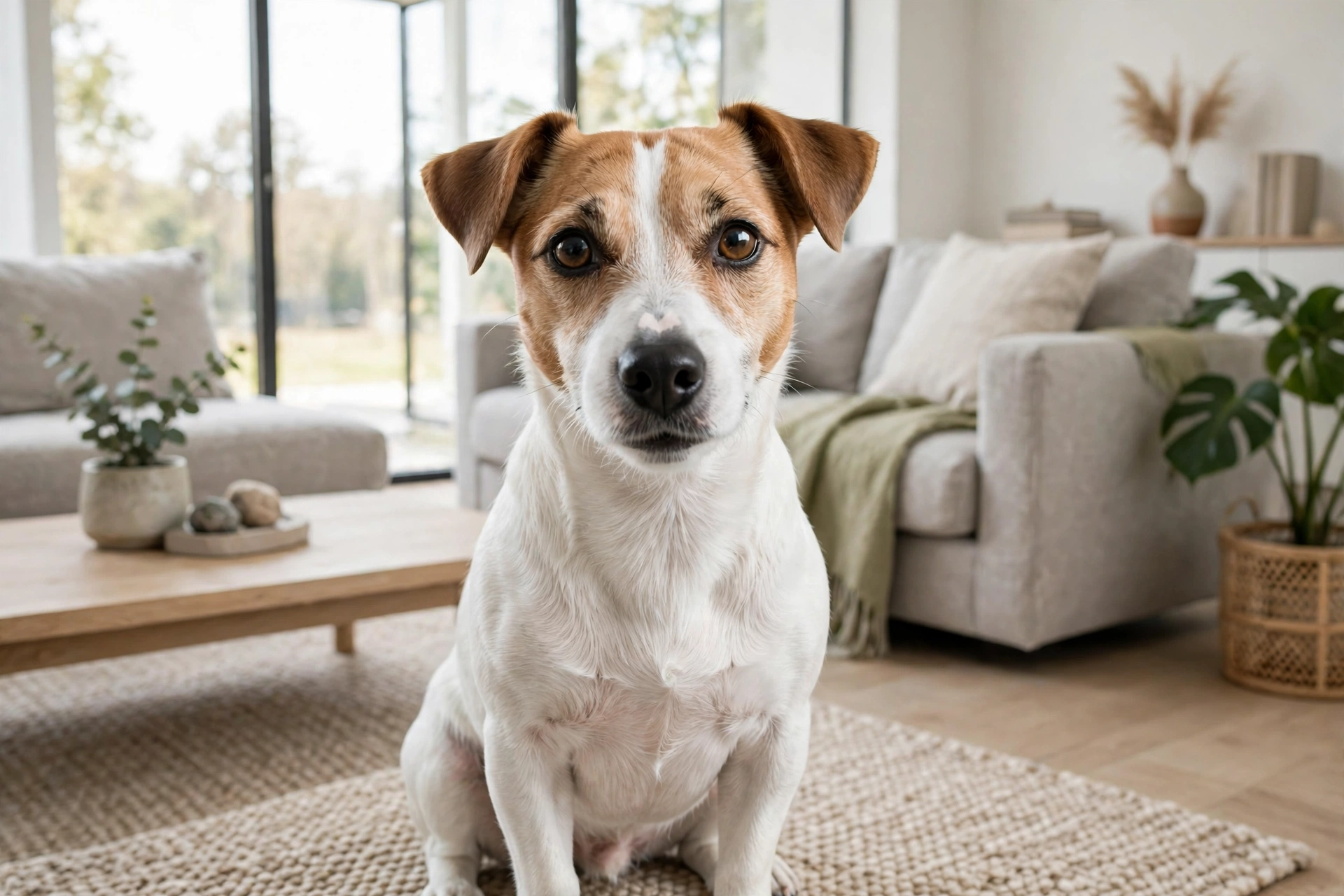
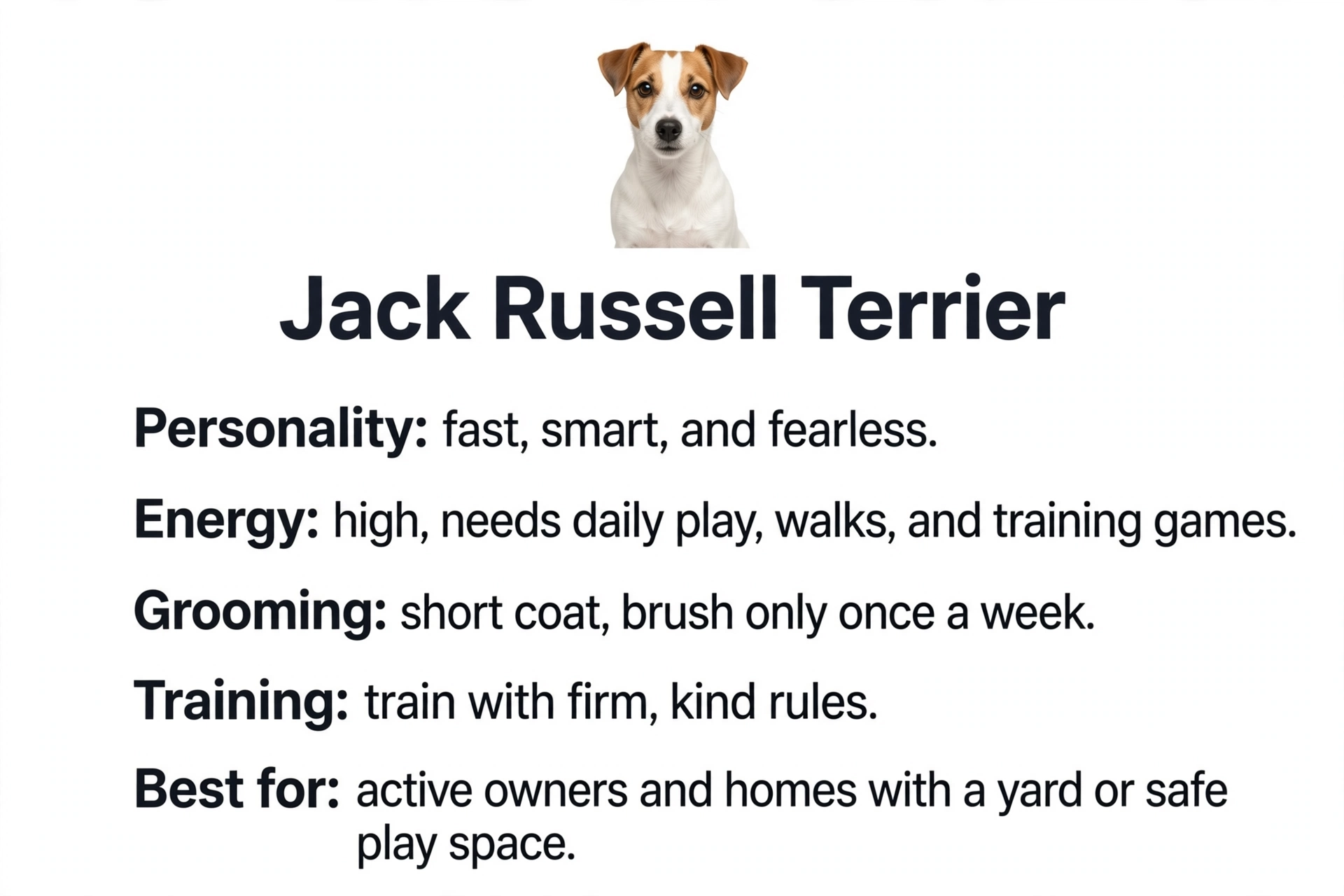
The Jack Russell Terrier is fast, smart, and fearless, and it loves to run, jump, and play. It needs a job to do each day, so give it daily play, walks, and training games, and teach it recall in a safe space.
Its short coat needs brushing only once a week, but its energy is high, so it does not suit a quiet, lazy home. Train it with firm, kind rules. Best for active people, homes with a yard or safe play space, and people who want a lively dog.
Boston Terrier
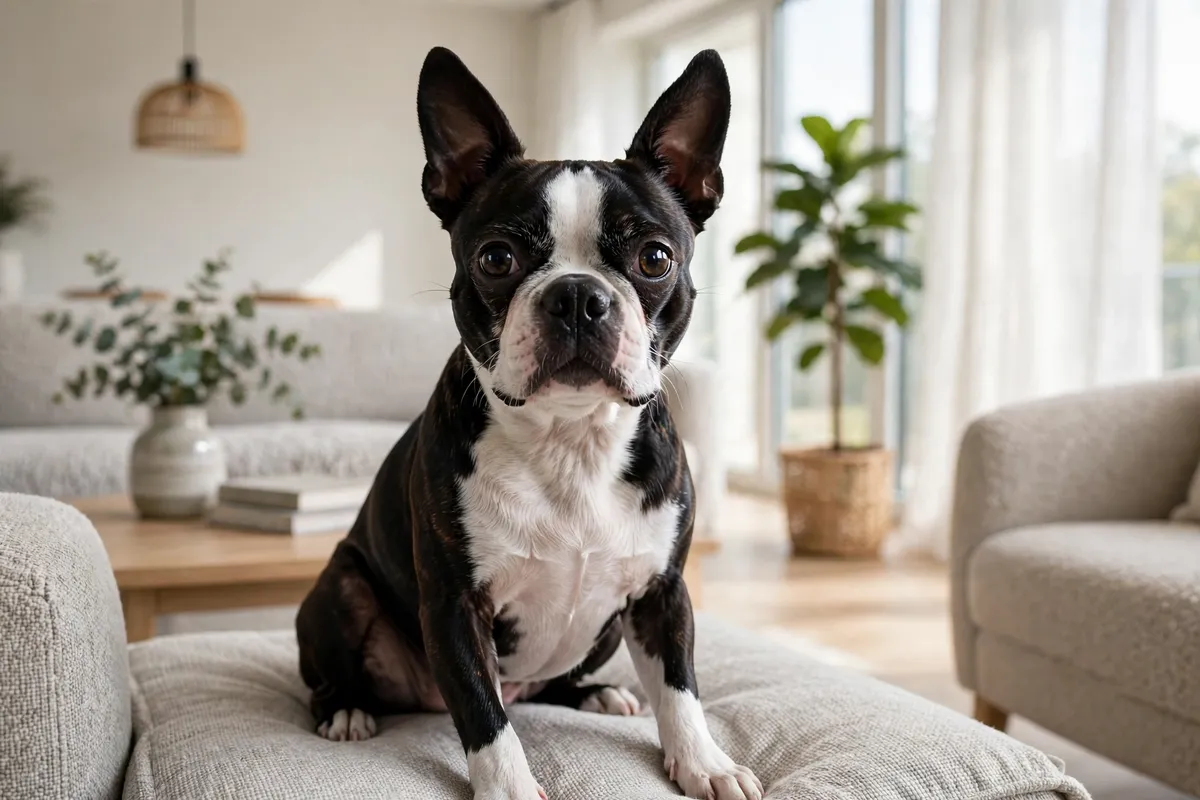
The Boston Terrier is friendly, smart, and playful, and it loves people and loves to make them laugh. It stays gentle and alert, so give it short walks and daily play and train it with games and praise.
Its short coat needs brushing only once a week, and its energy is moderate, so it fits most homes well. It can snort and bark a little, but it stays easy to live with. Best for families, apartments, and people who want a friendly, funny dog.
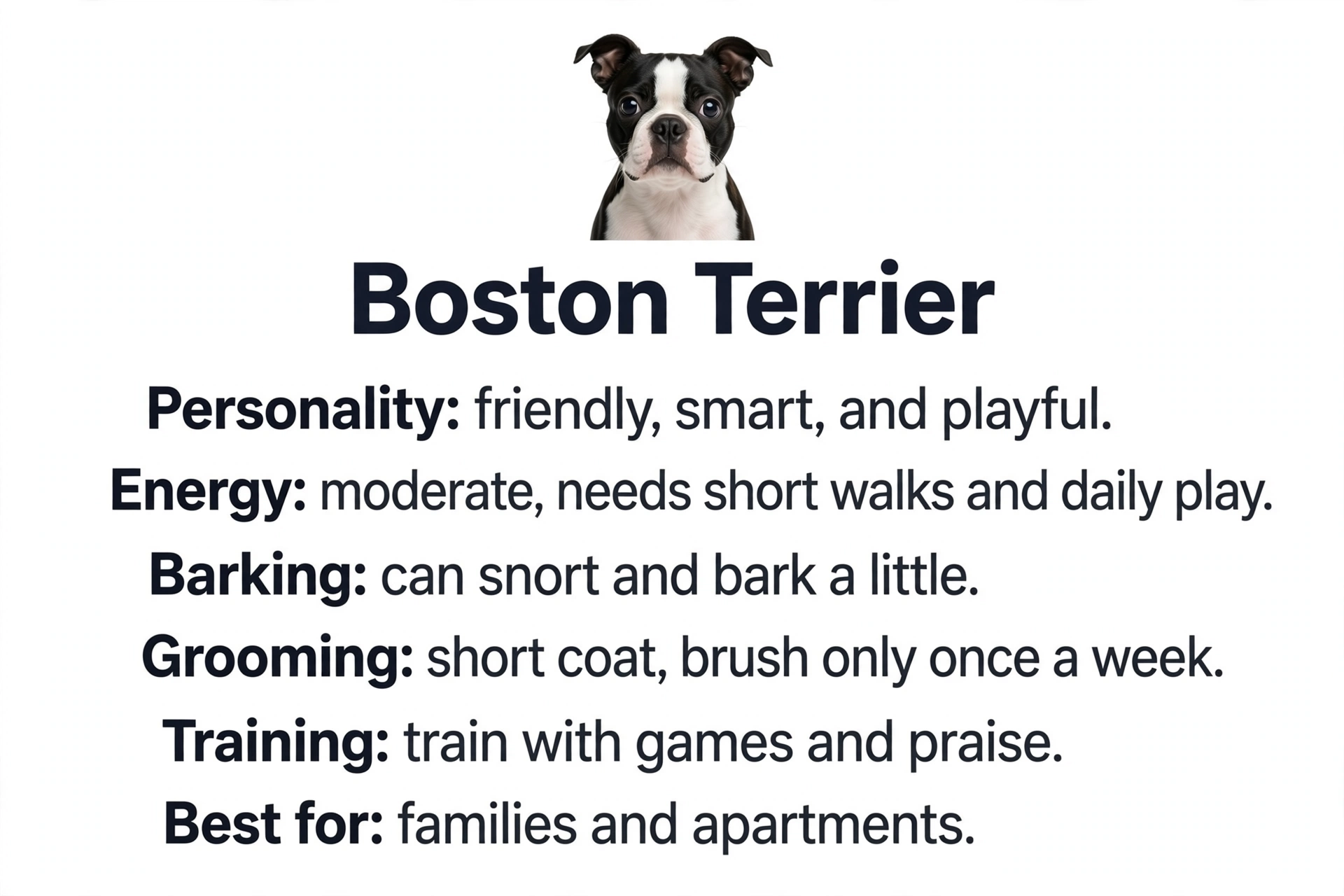
Miniature Schnauzer

The Miniature Schnauzer is smart, bold, and loyal, and it loves to learn and loves to guard its home. It has a wiry coat and a beard, so clip its coat often and give it daily walks and play.
Train it with short, fun sessions, and teach it quiet cues early, since it barks to warn you. Its energy is moderate to high, and it likes a job to do. Best for active families, training fans, and people who want a smart watchdog.
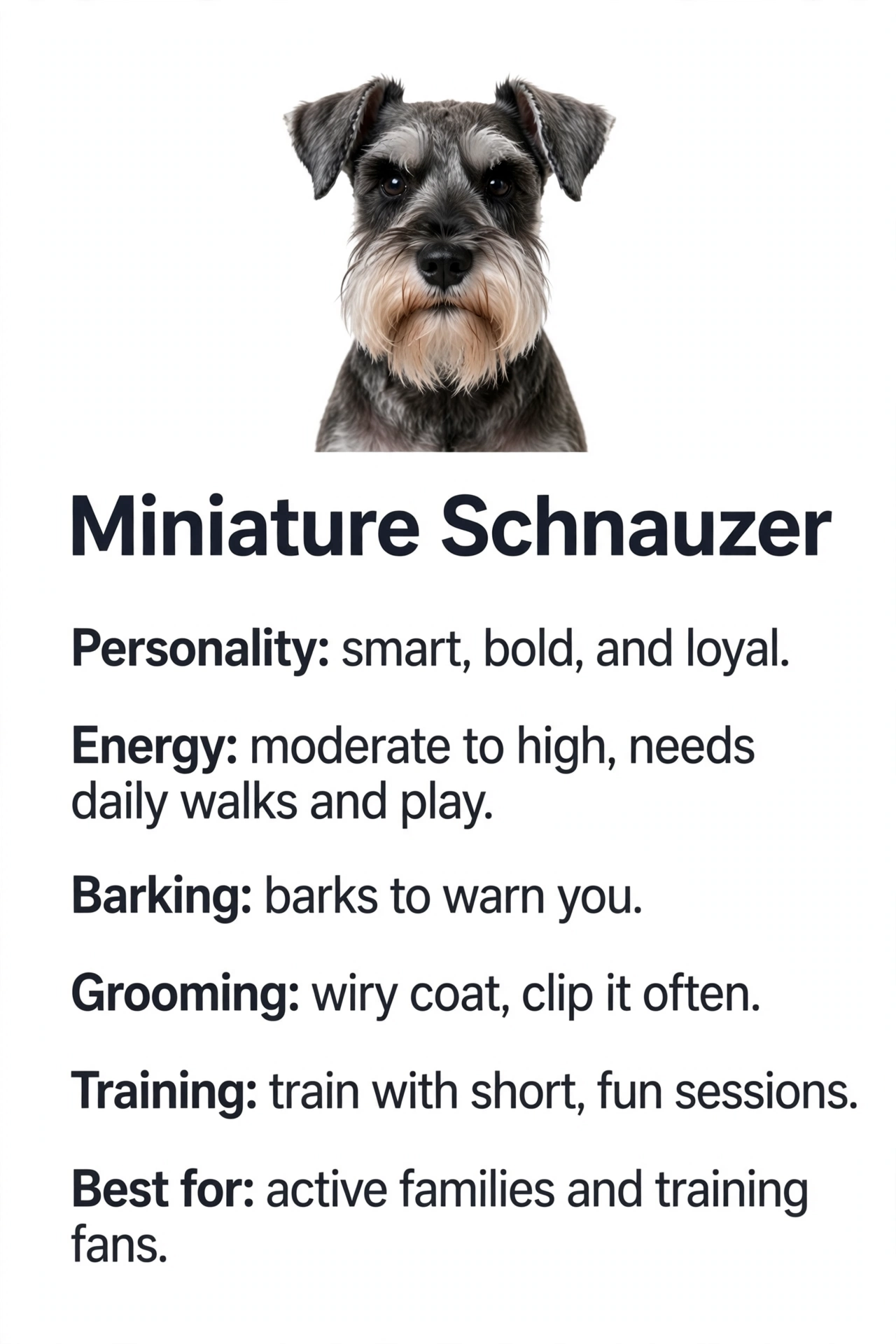
Miniature Pinscher
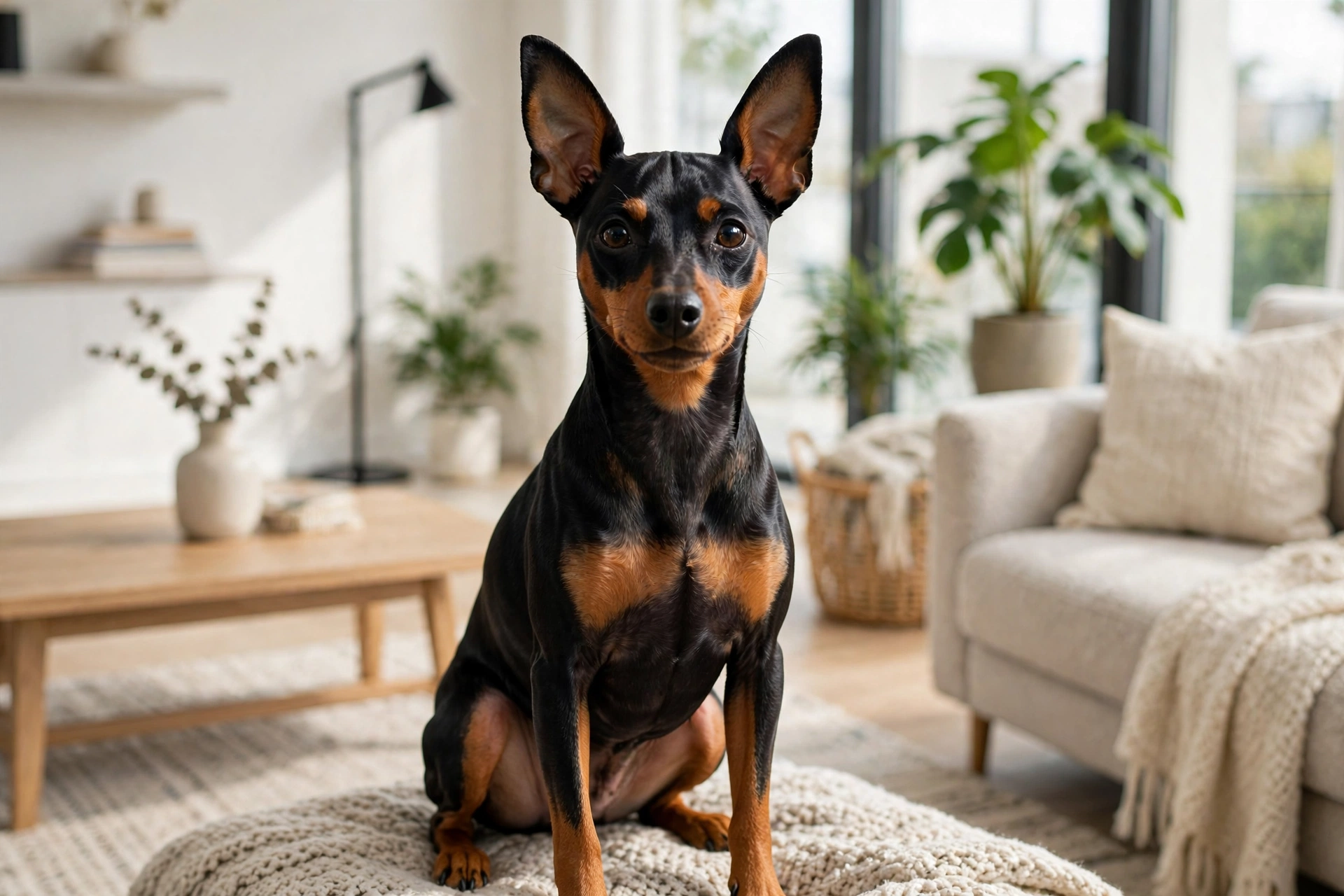
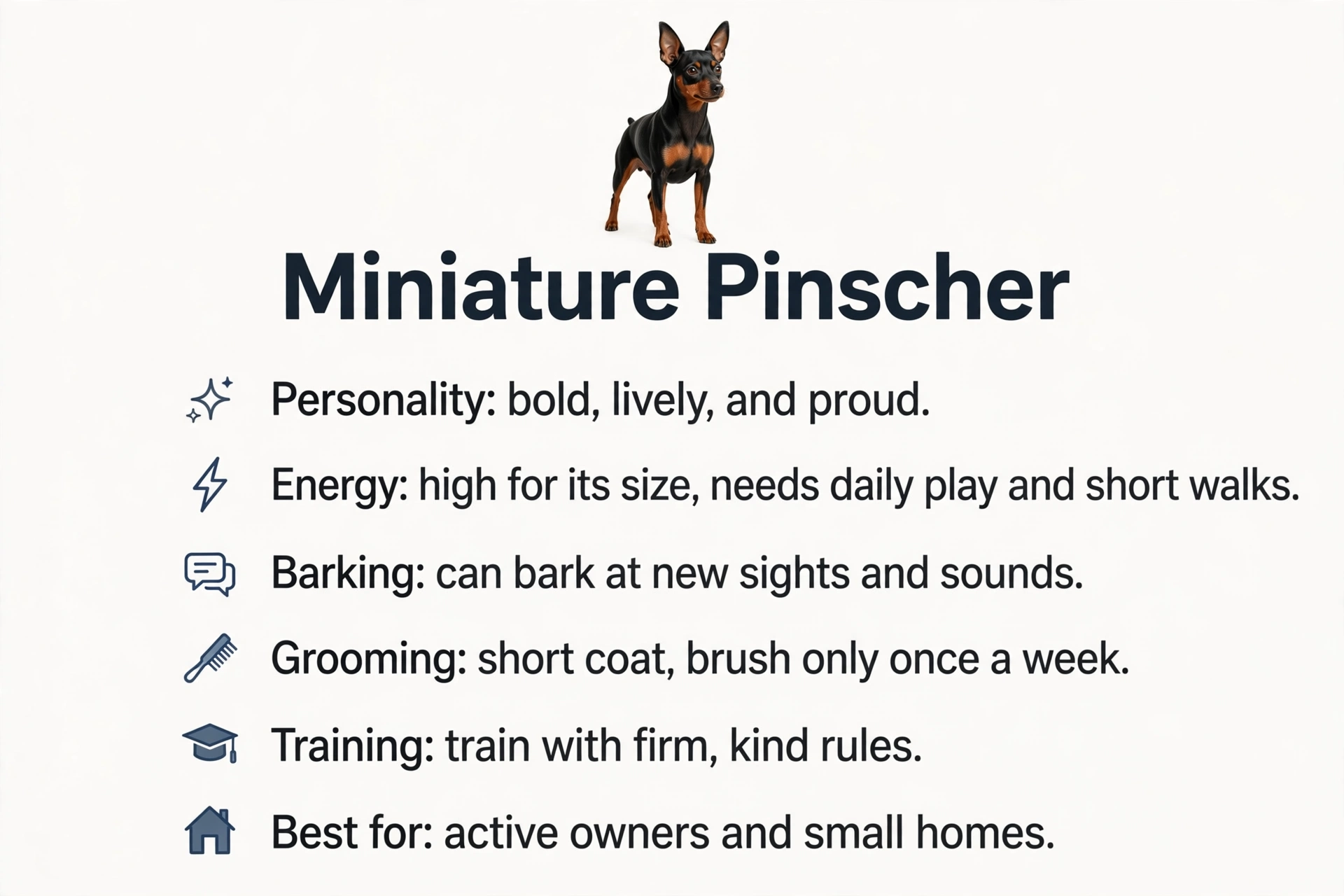
The Miniature Pinscher is bold, lively, and proud, and it walks with high steps and watches everything. It loves play and attention, so give it daily play and short walks and train it with firm, kind rules.
Its short coat needs brushing only once a week, but its energy is high for its size, so it needs real play every day. It can bark at new sights and sounds. Best for active people, small homes, and people who want a bold, lively dog.
Silky Terrier
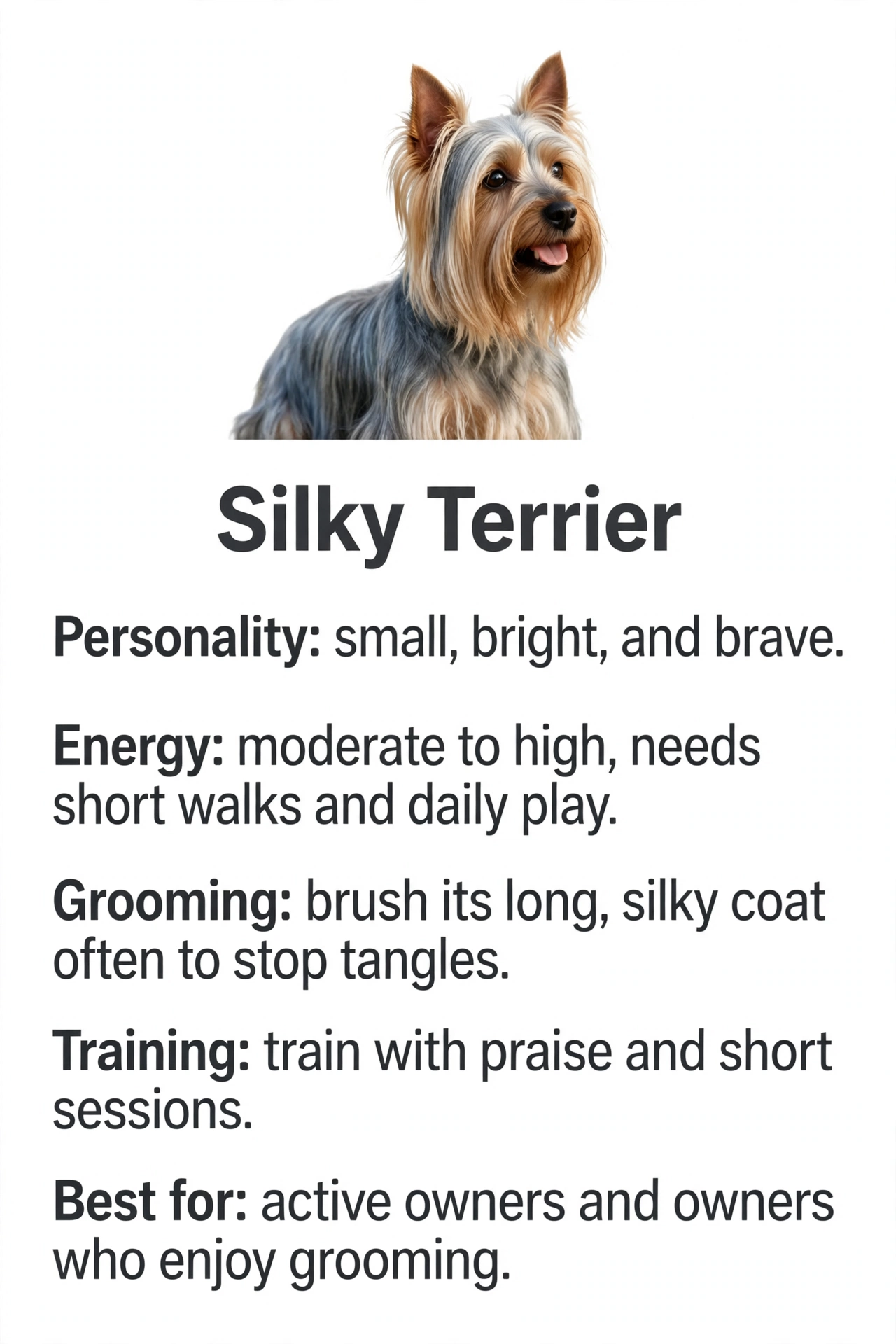
The Silky Terrier is small, bright, and brave, and it loves to play and explore. It has a long, silky coat that needs care, so brush it often to stop tangles and give it short walks and daily play.
Train it with praise and short sessions, and give it games that use its quick mind. Its energy is moderate to high, and it stays alert at home. Best for active people, small homes, and people who enjoy grooming.
Brussels Griffon
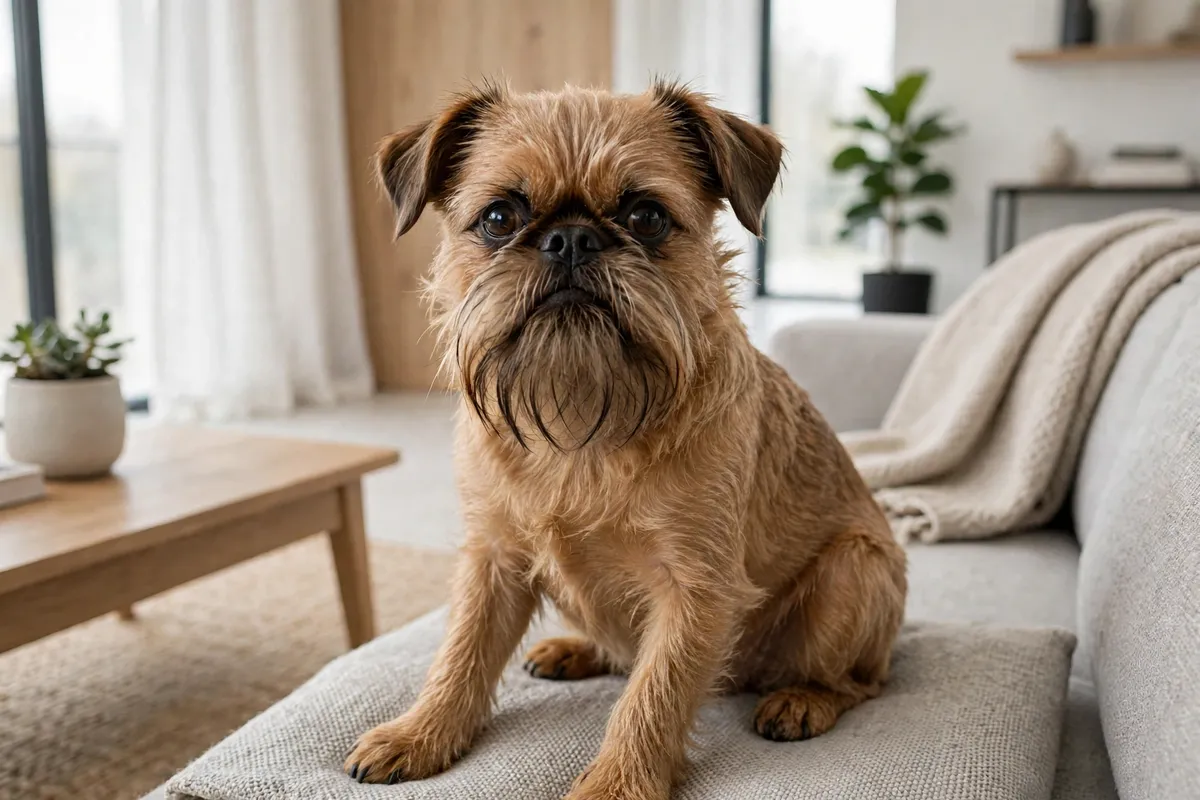
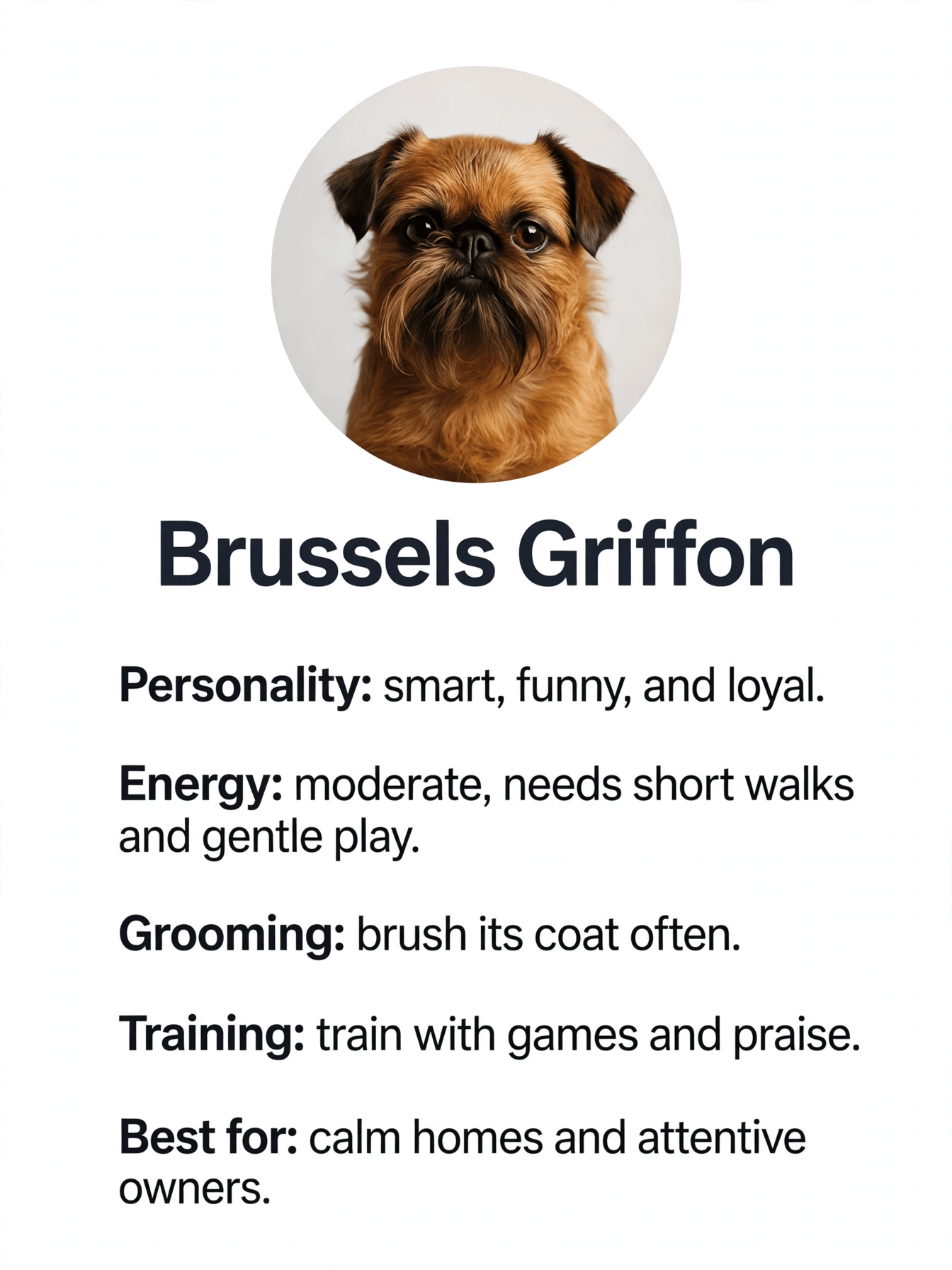
The Brussels Griffon is smart, funny, and loyal, and it loves people and loves to stay close. It has a sweet, human-like face, and it needs short walks and gentle play each day.
Brush its coat often and train it with games and praise, since it learns fast when you keep sessions fun. Its energy is moderate, and it suits a calm home where someone is around most of the day.
Best for calm homes, attentive people, and people who want a funny companion.
West Highland White Terrier
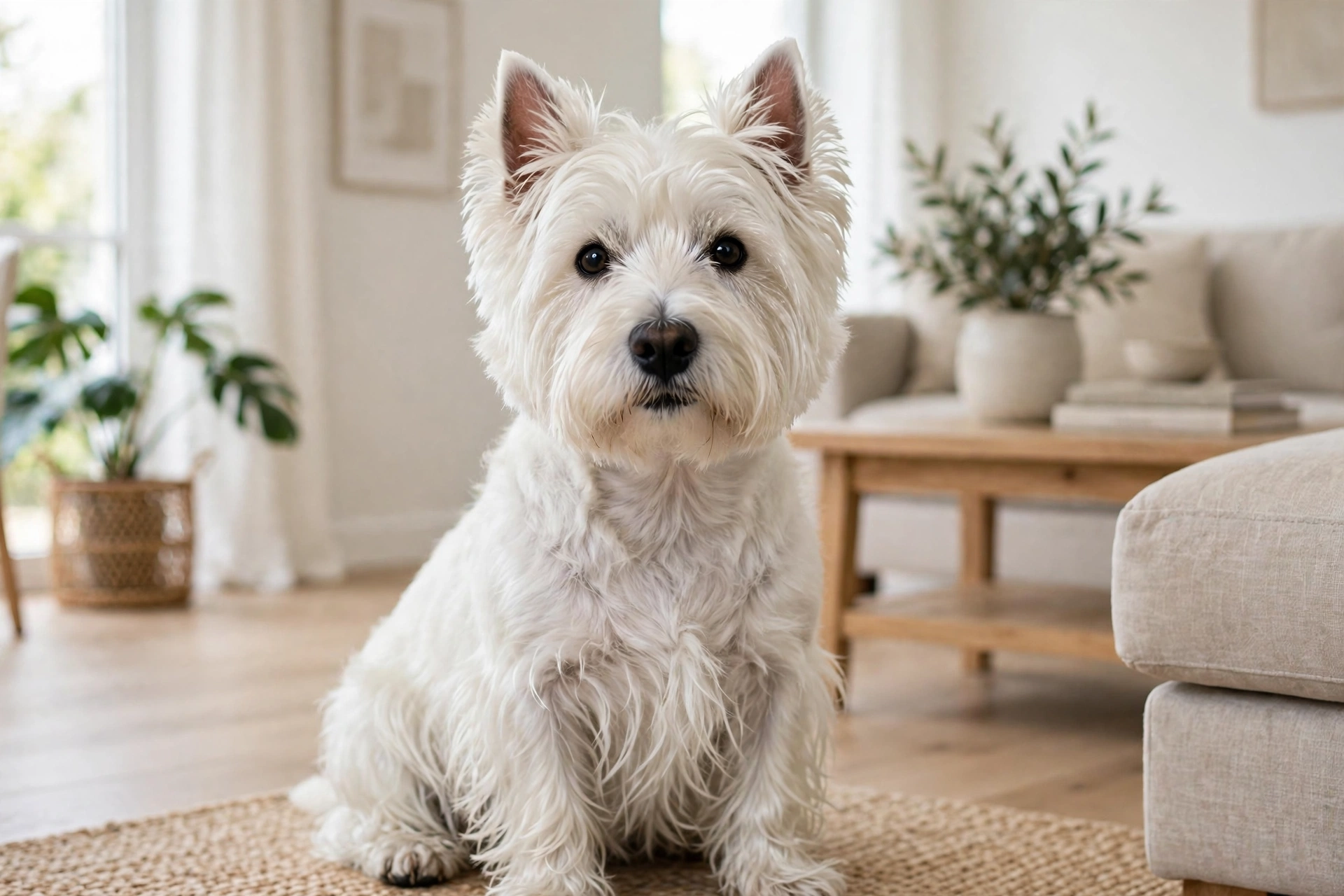
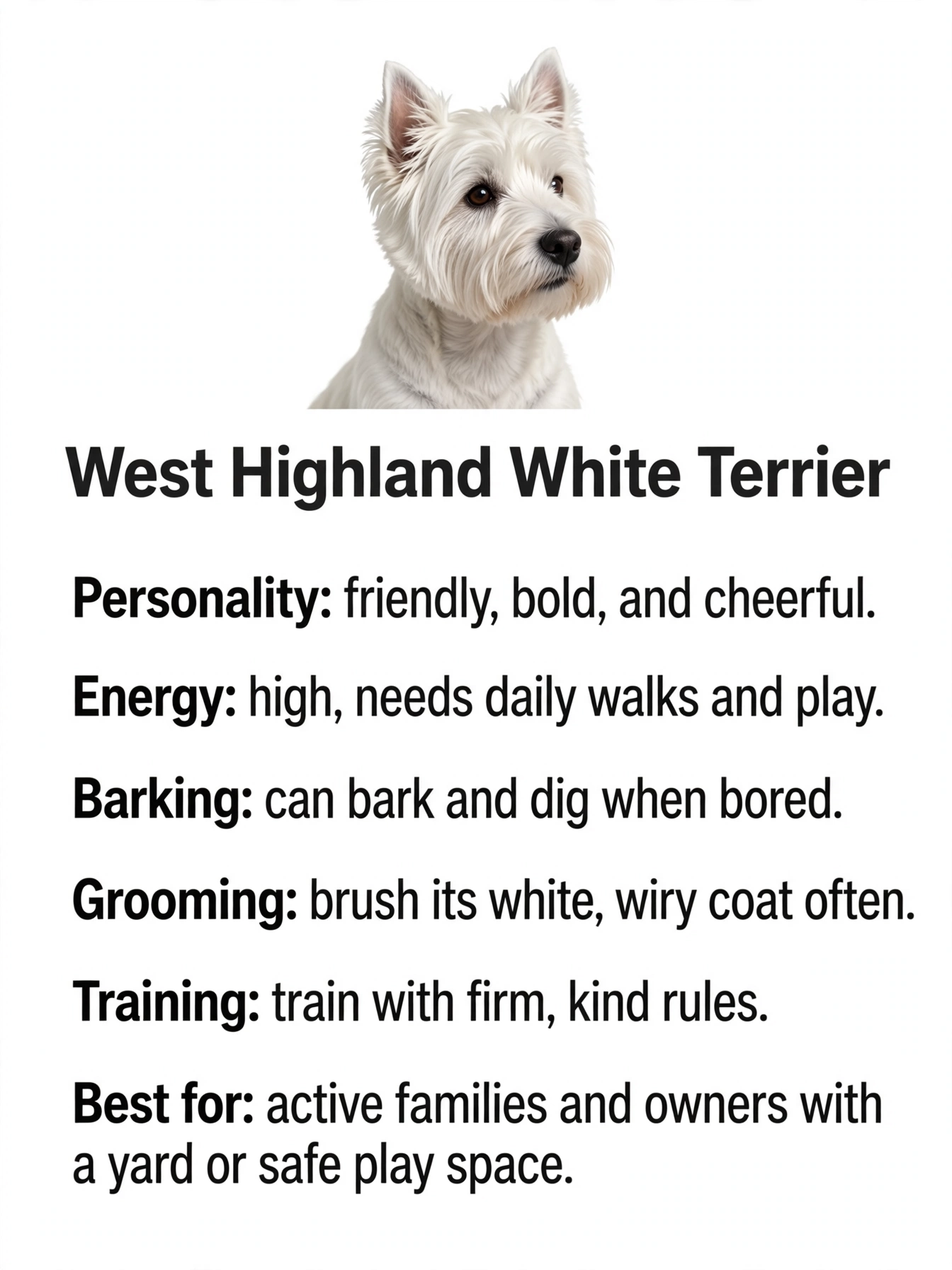
The West Highland White Terrier, or Westie, is friendly, bold, and cheerful, and it loves to dig, play, and explore. It has a white, wiry coat that needs brushing often, so give it daily walks and play and train it with firm, kind rules.
Its energy is high, and it can bark and dig when it gets bored, so keep it busy with games. Best for active families, people with a yard or safe play space, and people who want a bold terrier.
Scottish Terrier
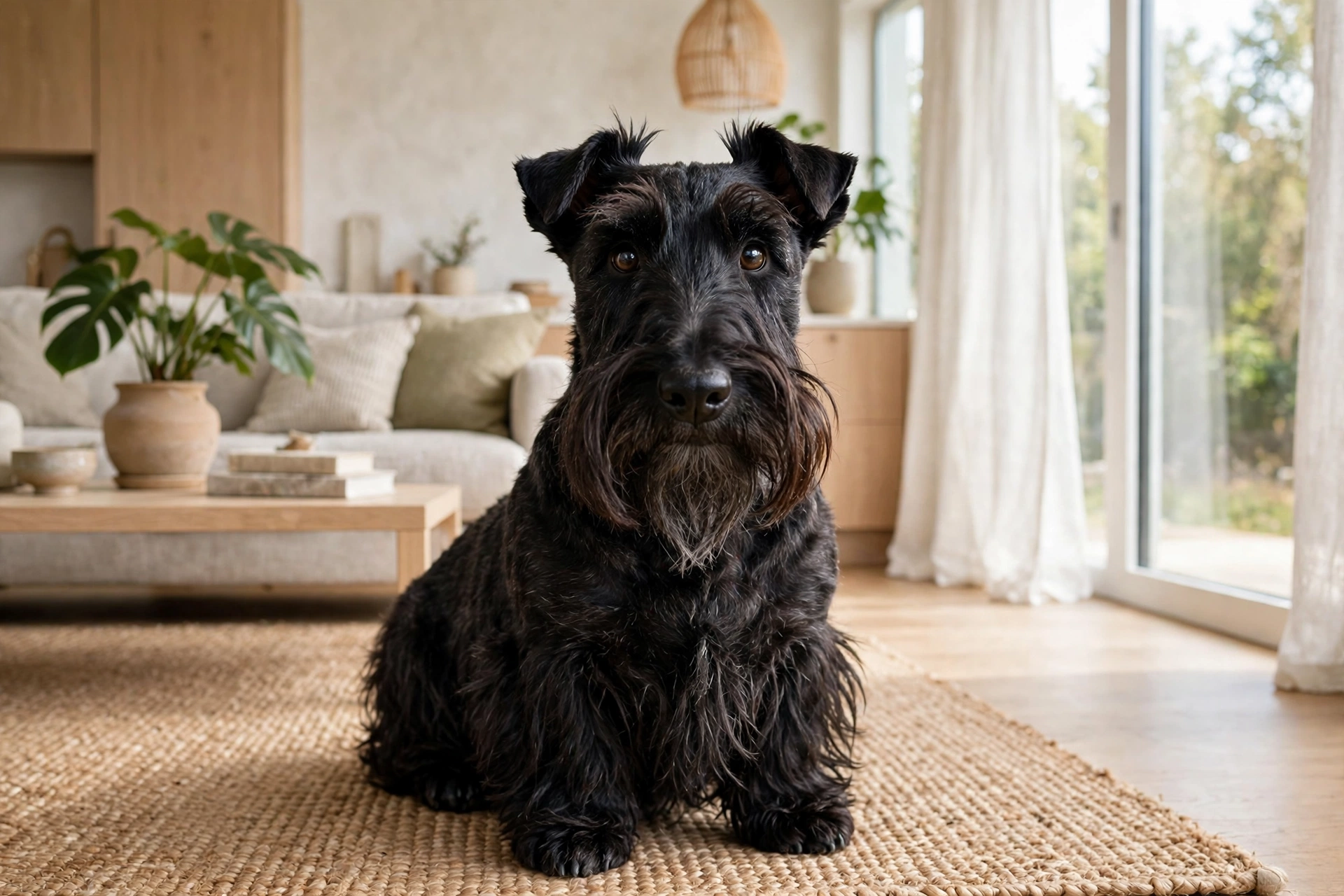
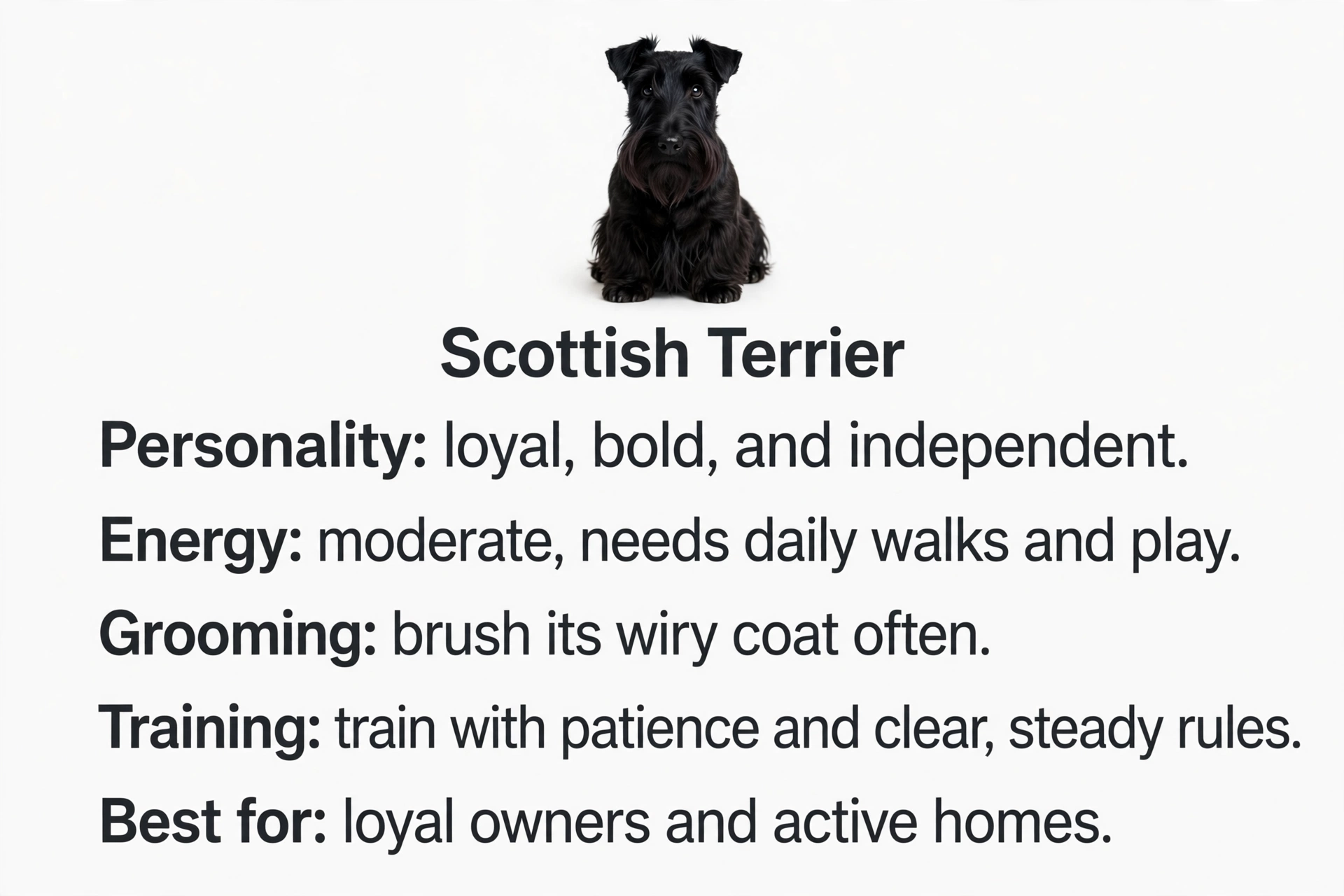
The Scottish Terrier is loyal, bold, and independent, and it loves its family and stays alert. It can act stubborn, so train it with patience and give it daily walks and play plus scent games and safe digging spots.
Brush its wiry coat often to keep it tidy, and give it clear, steady rules, since it likes to do things its own way. Its energy is moderate. Best for loyal people, active homes, and people who want a sturdy small terrier.
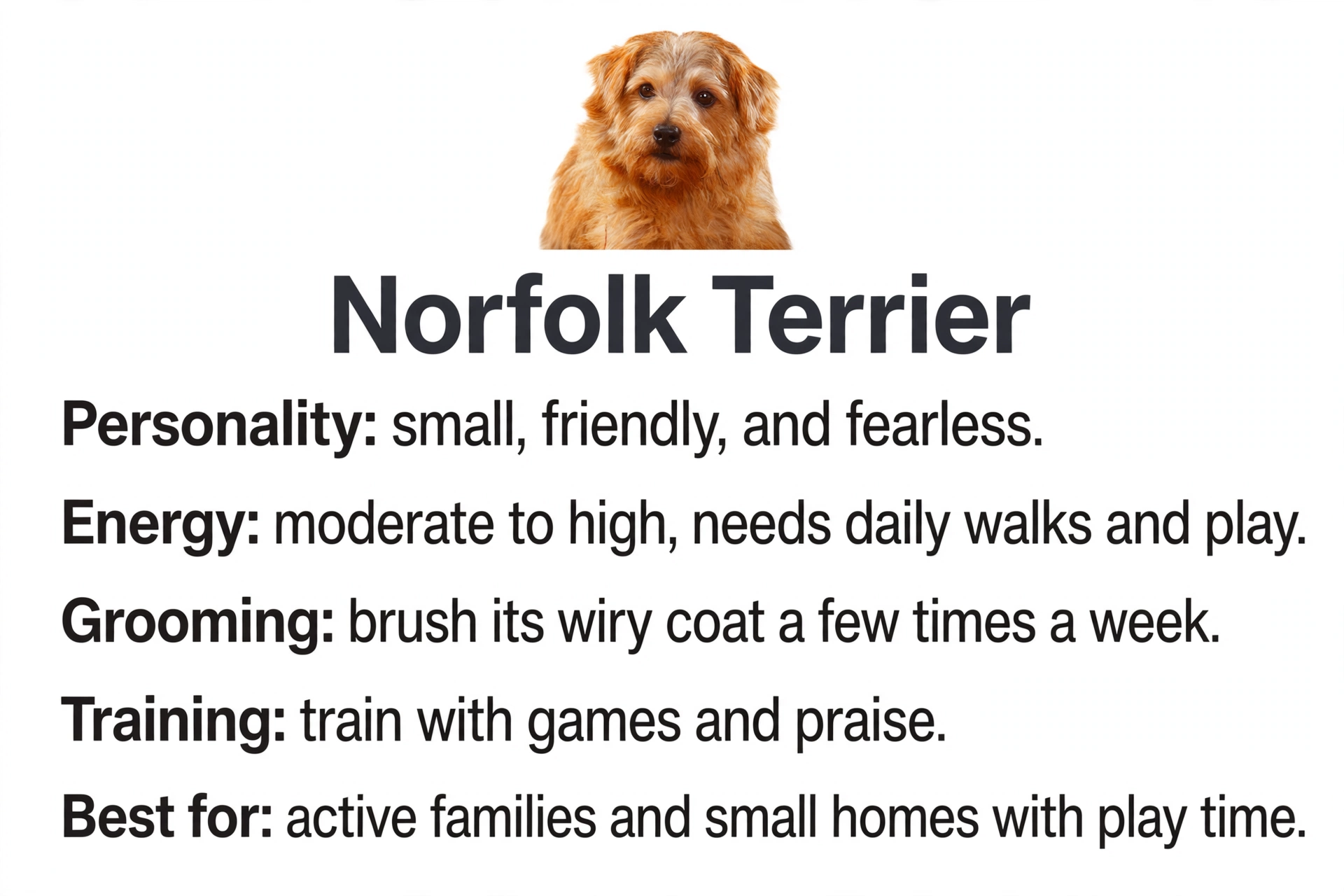
Norfolk Terrier

The Norfolk Terrier is small, friendly, and fearless, and it loves to play, dig, and explore. It stays happy with family and other dogs when you socialize it early, so give it daily walks and play and train it with games and praise.
Brush its wiry coat a few times a week, and keep it busy, since a bored Norfolk will dig and bark. Its energy is moderate to high. Best for active families, people who want a friendly terrier, and small homes with play time.
Smart, Active and Versatile Small Breeds
These breeds mix brains, energy, and loyalty. They learn fast, they play hard, and they adapt to many homes. They still need training, exercise, and time with you each day.
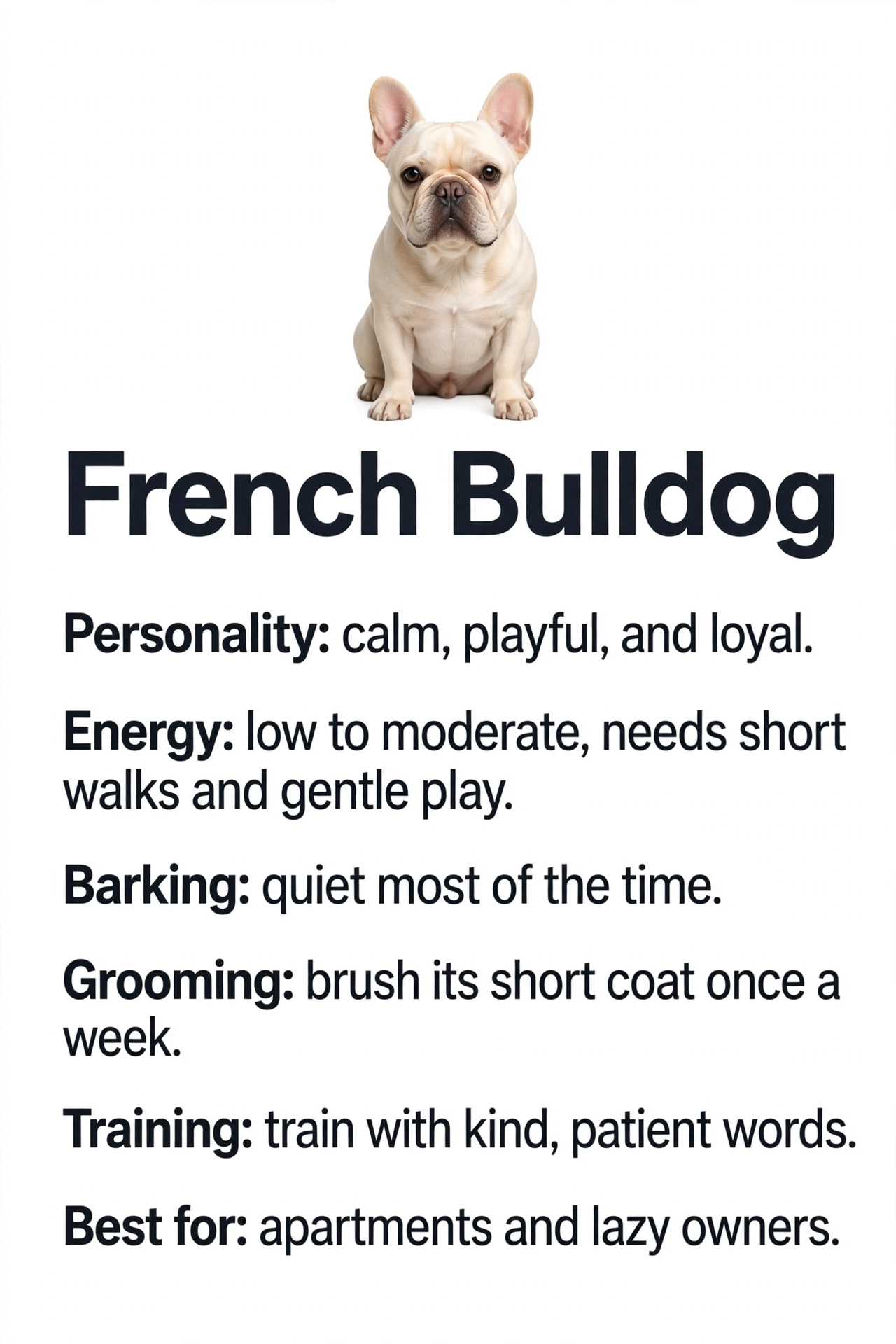
French Bulldog
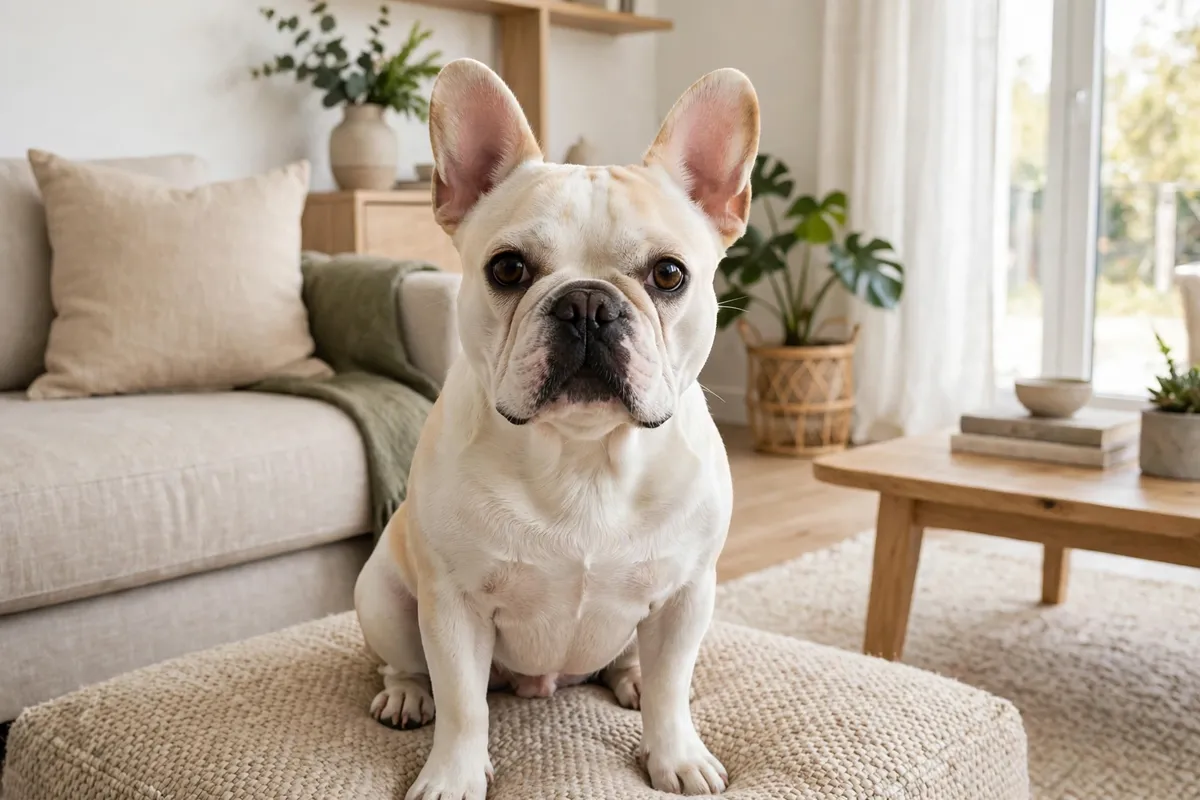
The French Bulldog is calm, playful, and loyal, and it loves laps, naps, and short play bursts. It stays quiet most of the time, so give it short walks and gentle play and train it with kind, patient words.
Watch its weight and keep it cool in hot weather, and brush its short coat once a week. Its energy is low to moderate, and it does not need long walks. Best for apartments, easygoing people, and people who want a calm, funny dog.
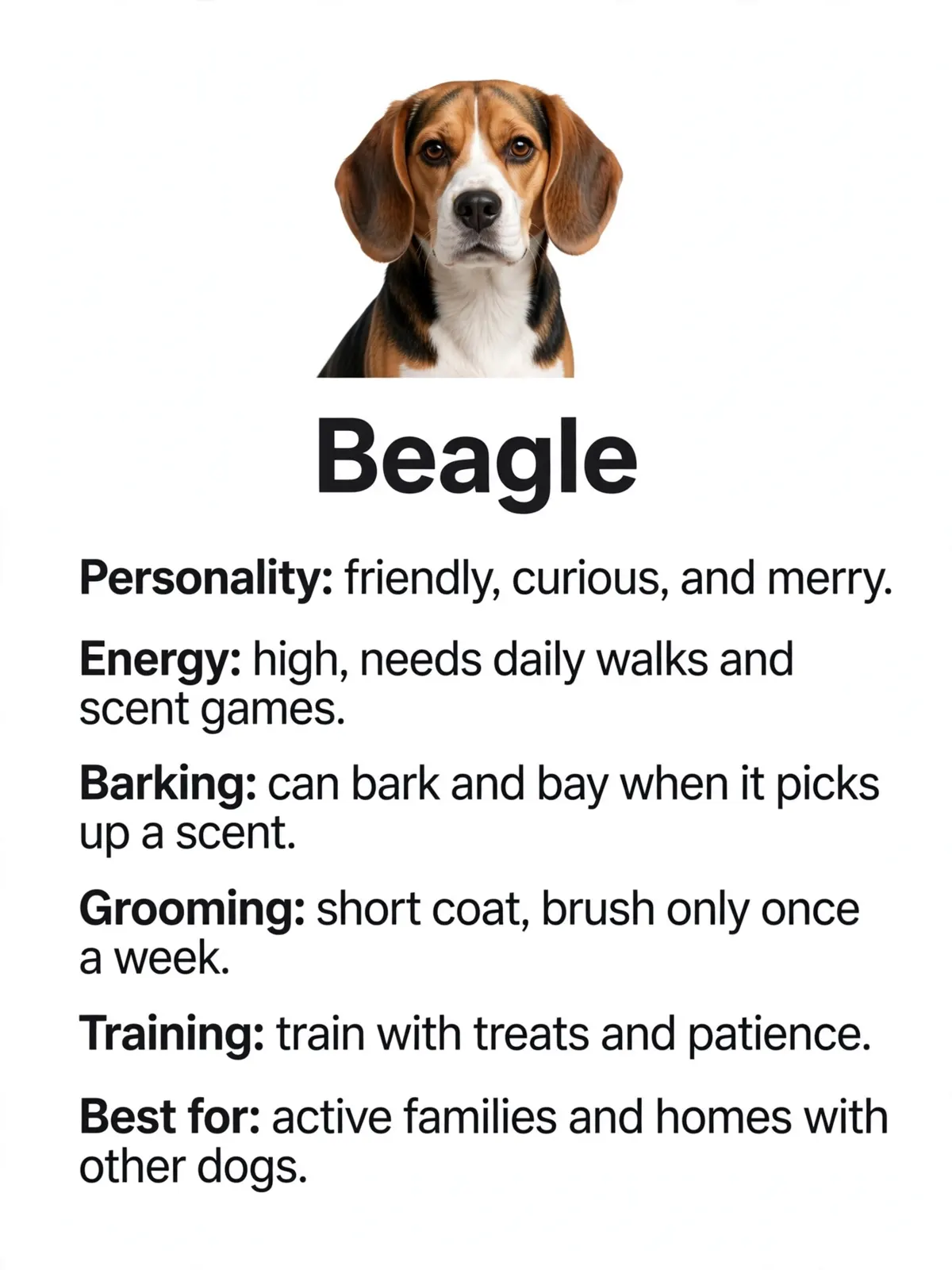
Beagle
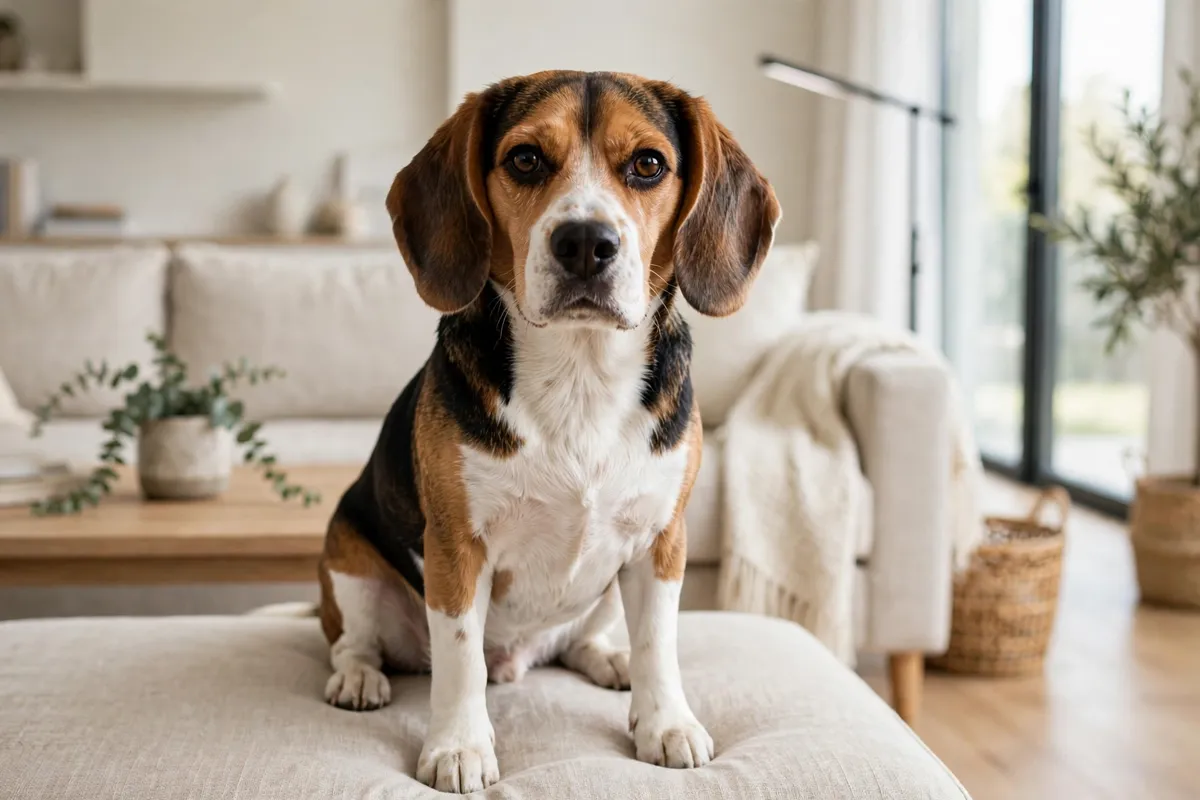
The Beagle is friendly, curious, and merry, and it loves scents, walks, and food. It stays happy with kids and other dogs, so give it daily walks and scent games and train it with treats and patience.
Its short coat needs brushing only once a week, but its energy is high. It can bark and bay when it picks up a scent, so teach recall in a safe space. Best for active families, people who love walks, and homes with other dogs.
Pembroke Welsh Corgi
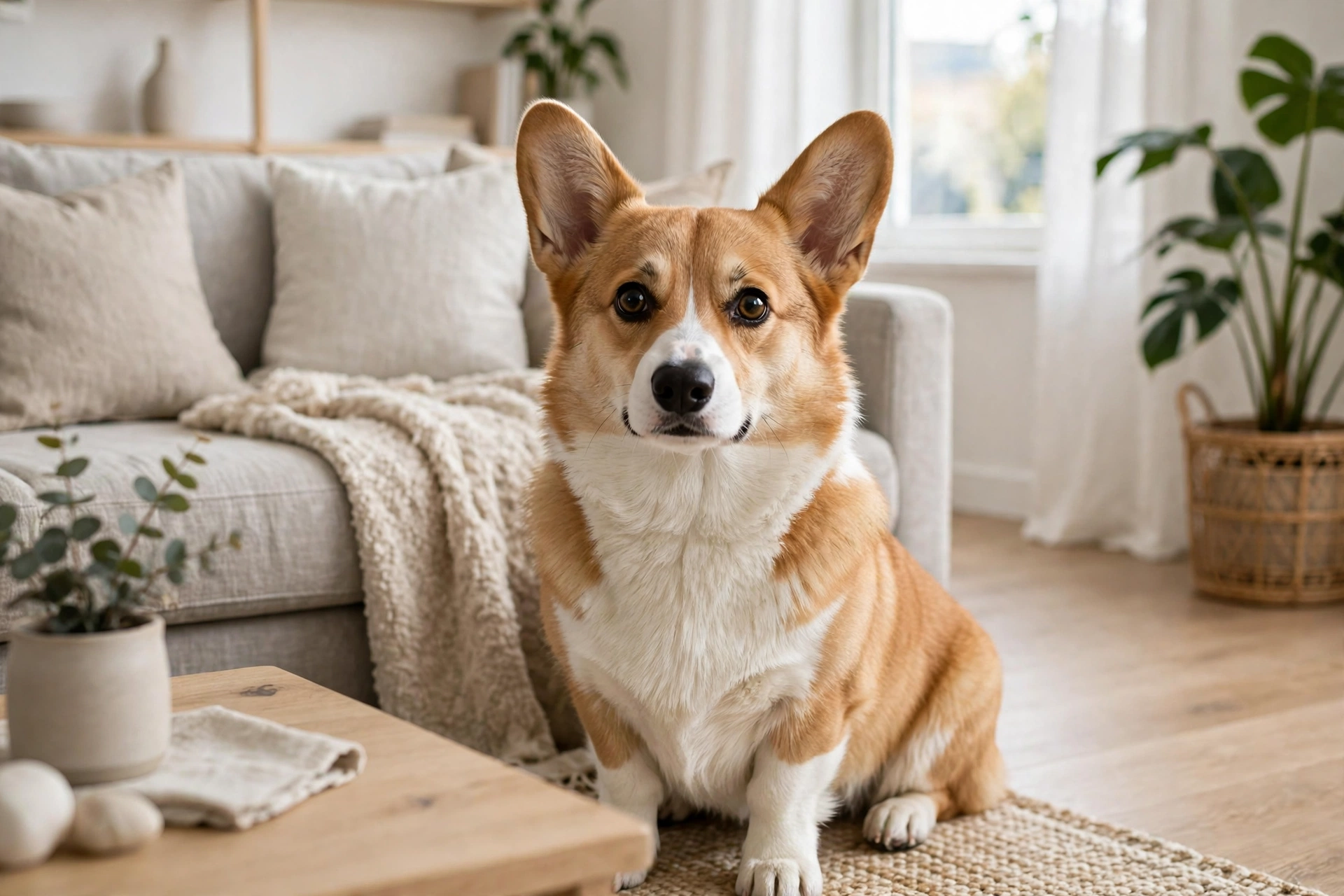
The Pembroke Welsh Corgi is smart, loyal, and playful, and it herds, learns fast, and loves family time. It has short legs and a big personality, so give it daily walks and training games and brush its thick coat often.
Watch its weight and give it a job to do, since a bored Corgi will bark and herd the family. Its energy is moderate to high. Best for active families, training fans, and people who want a smart small dog.

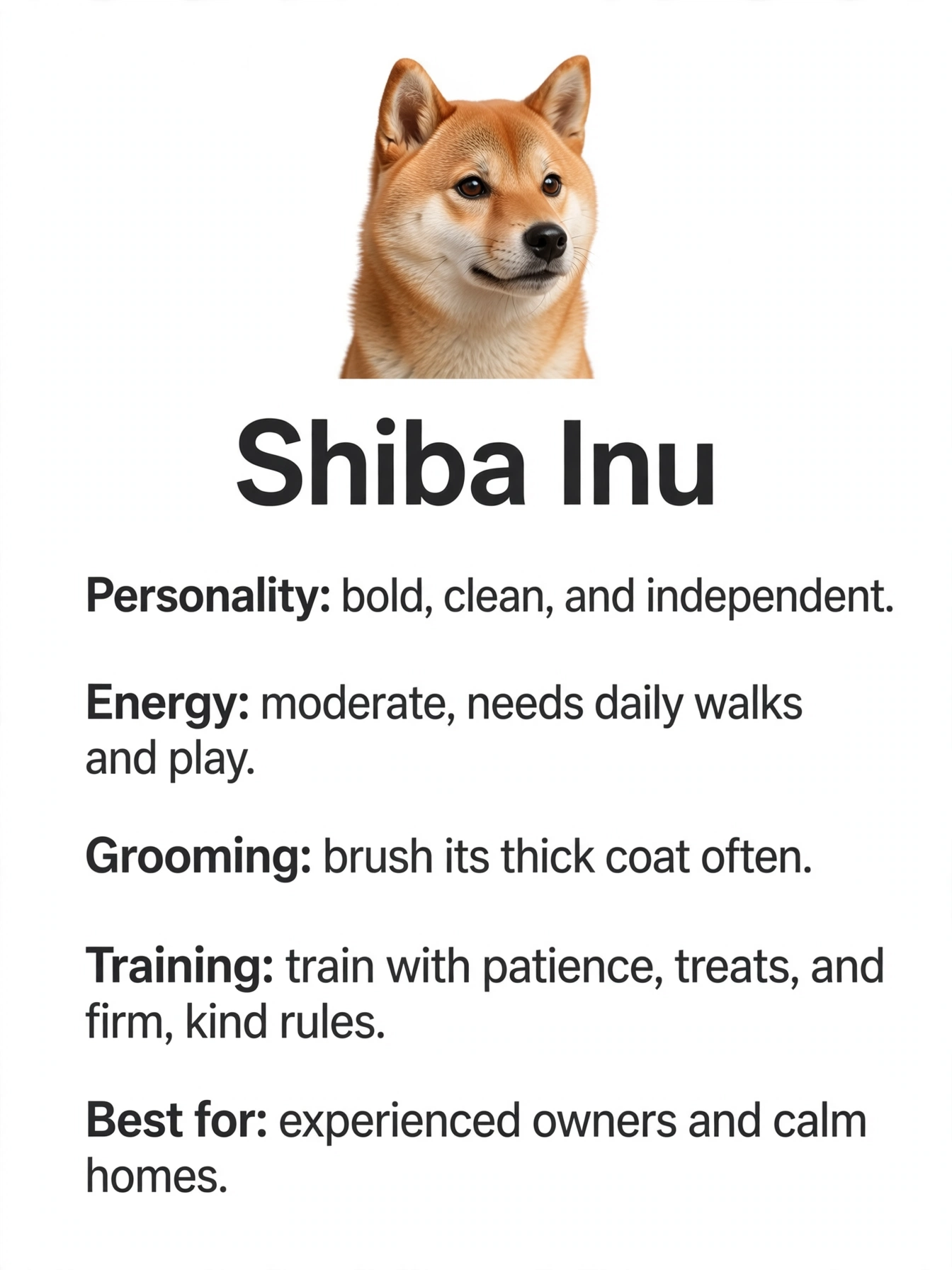
Shiba Inu
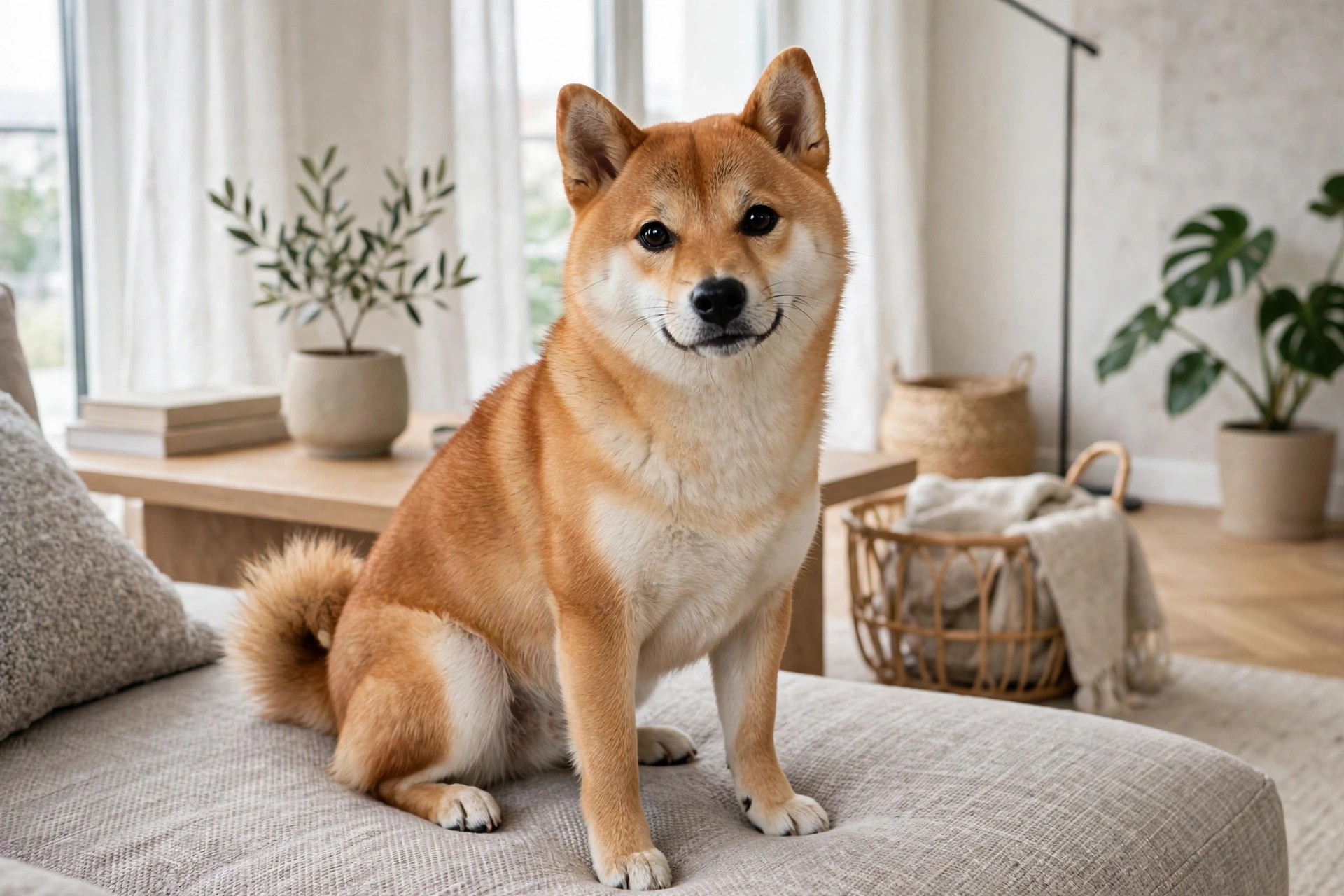
The Shiba Inu is bold, clean, and independent, and it loves you but also loves its own space. It stays alert and proud, so give it daily walks and play and train it with patience, treats, and firm, kind rules.
Brush its thick coat often, and give it clear rules early, since it can act stubborn and aloof with strangers. Its energy is moderate, and it grooms itself like a cat. Best for experienced handlers, calm homes, and people who respect an independent dog.
Alaskan Klee Kai
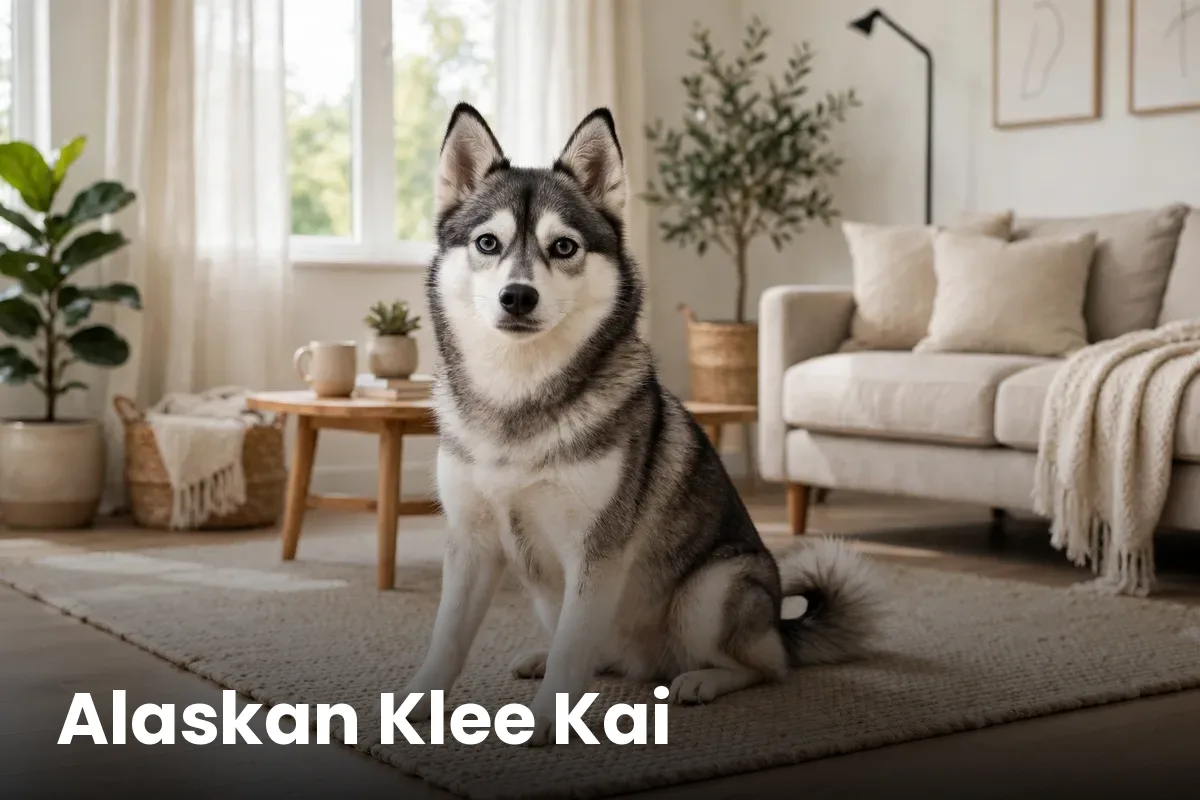
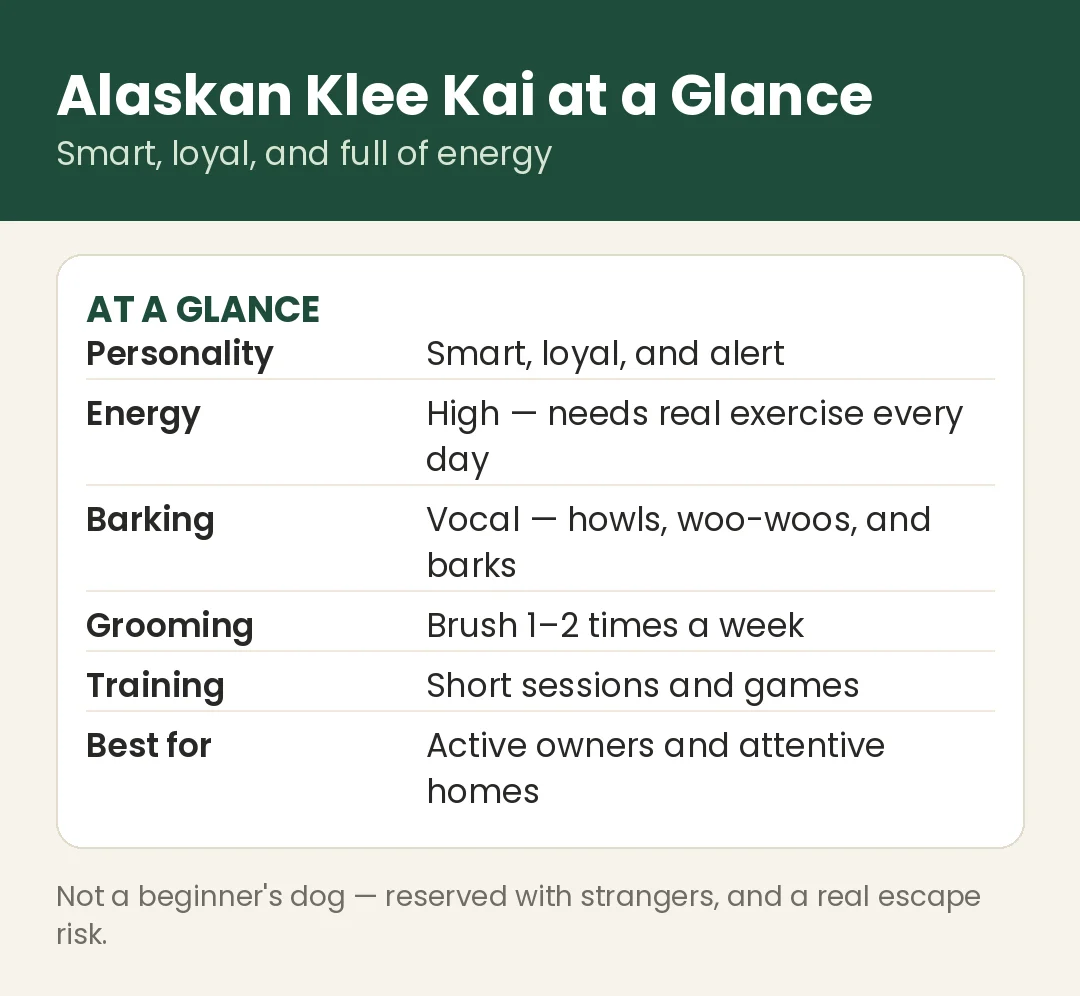
The Alaskan Klee Kai is smart, loyal, and alert, and it looks like a small Husky. It loves its family and stays watchful, so give it daily walks and play and train it with games and short sessions.
Brush its thick coat often, and socialize it early, since it can act shy with strangers and bark at new sounds. Its energy is high, so it needs real exercise every day. Best for active people, attentive homes, and people who want a loyal, Husky-like dog.
Pumi
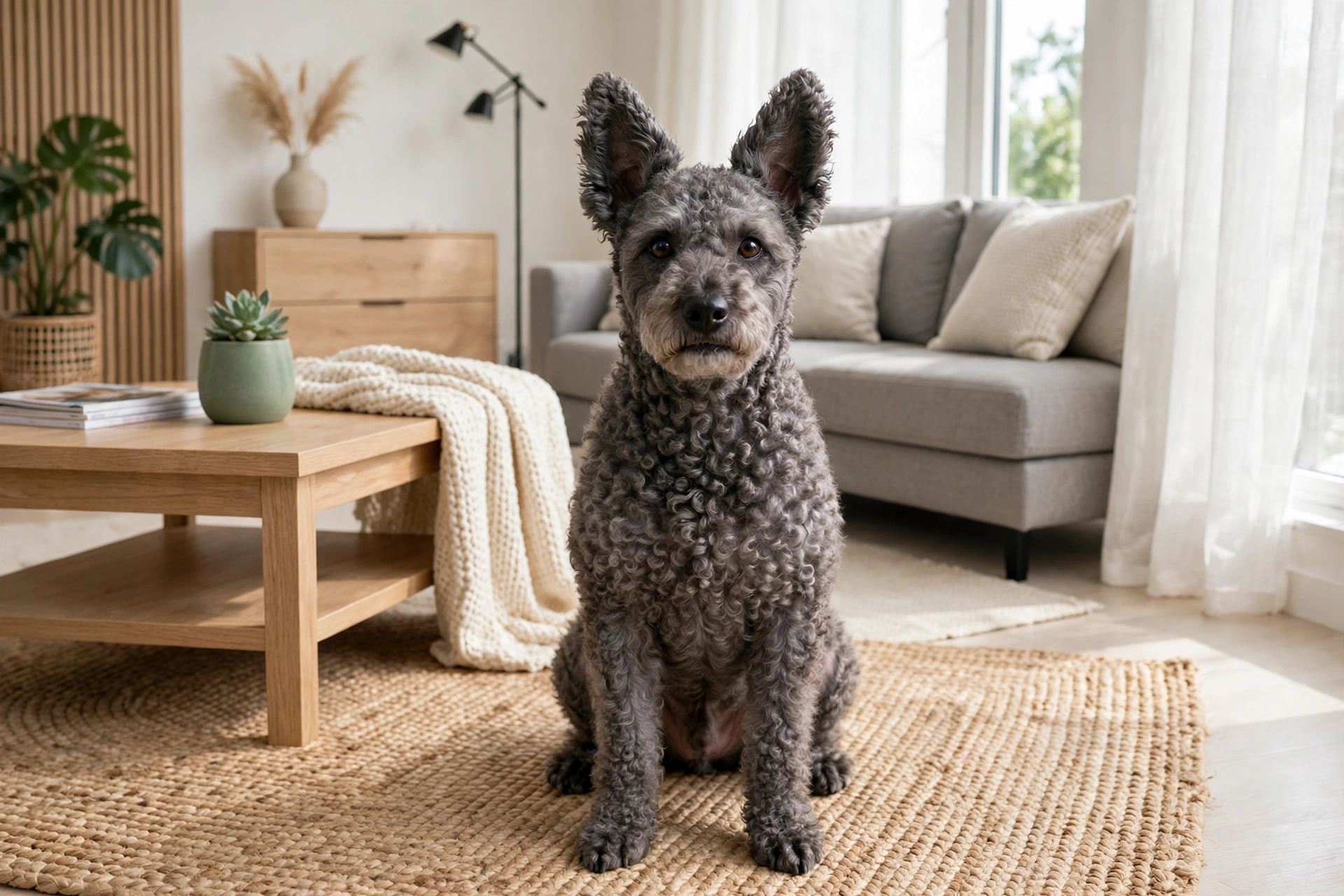
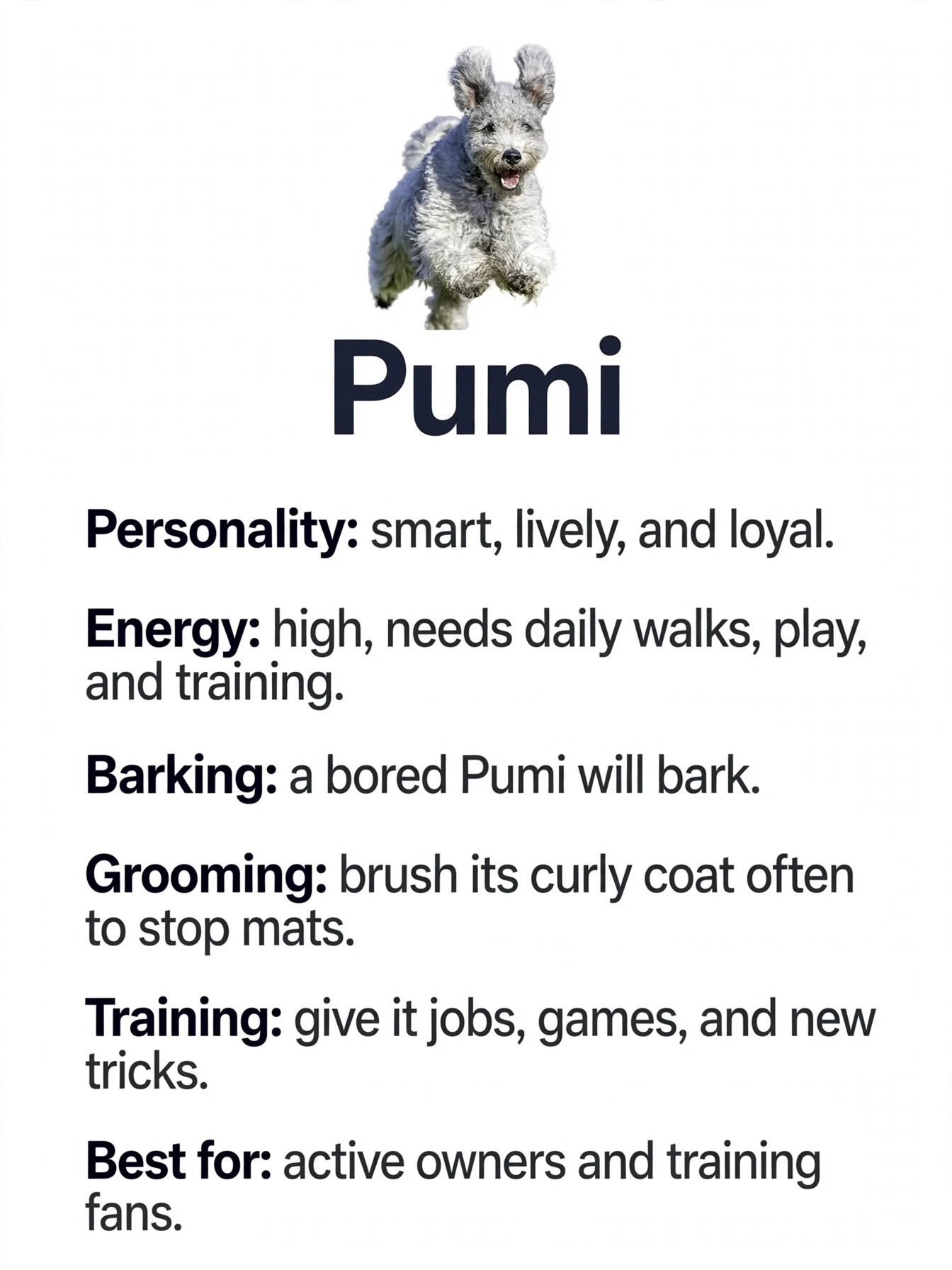
The Pumi is smart, lively, and loyal, and it herds, learns fast, and loves to work. It has a curly coat and alert ears, so give it daily walks, play, and training, and brush its curly coat often to stop mats.
Give it jobs, games, and new tricks to learn, since a bored Pumi will bark and find its own work. Its energy is high. Best for active people, training fans, and people who want a smart working dog in a small size.
Shetland Sheepdog
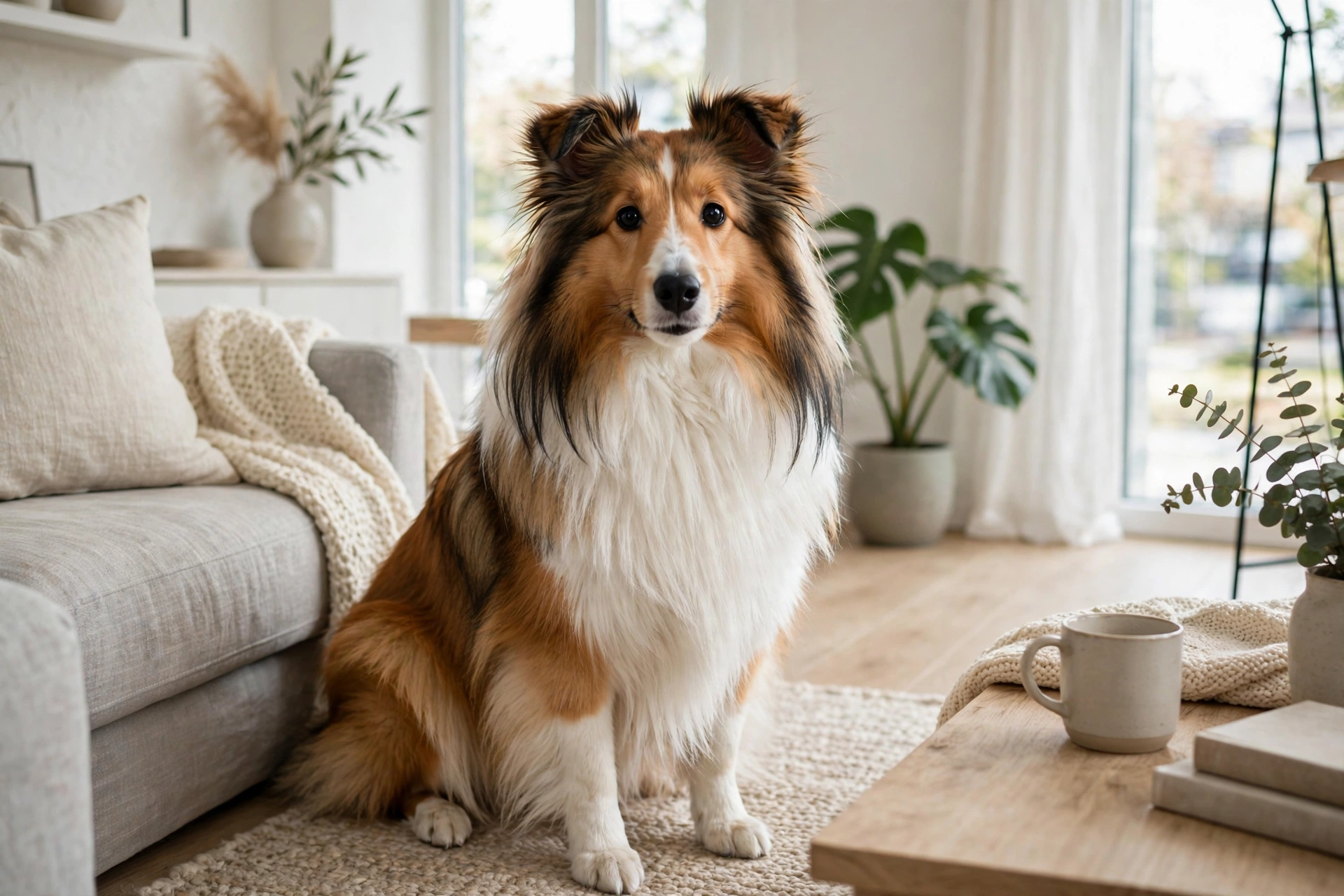
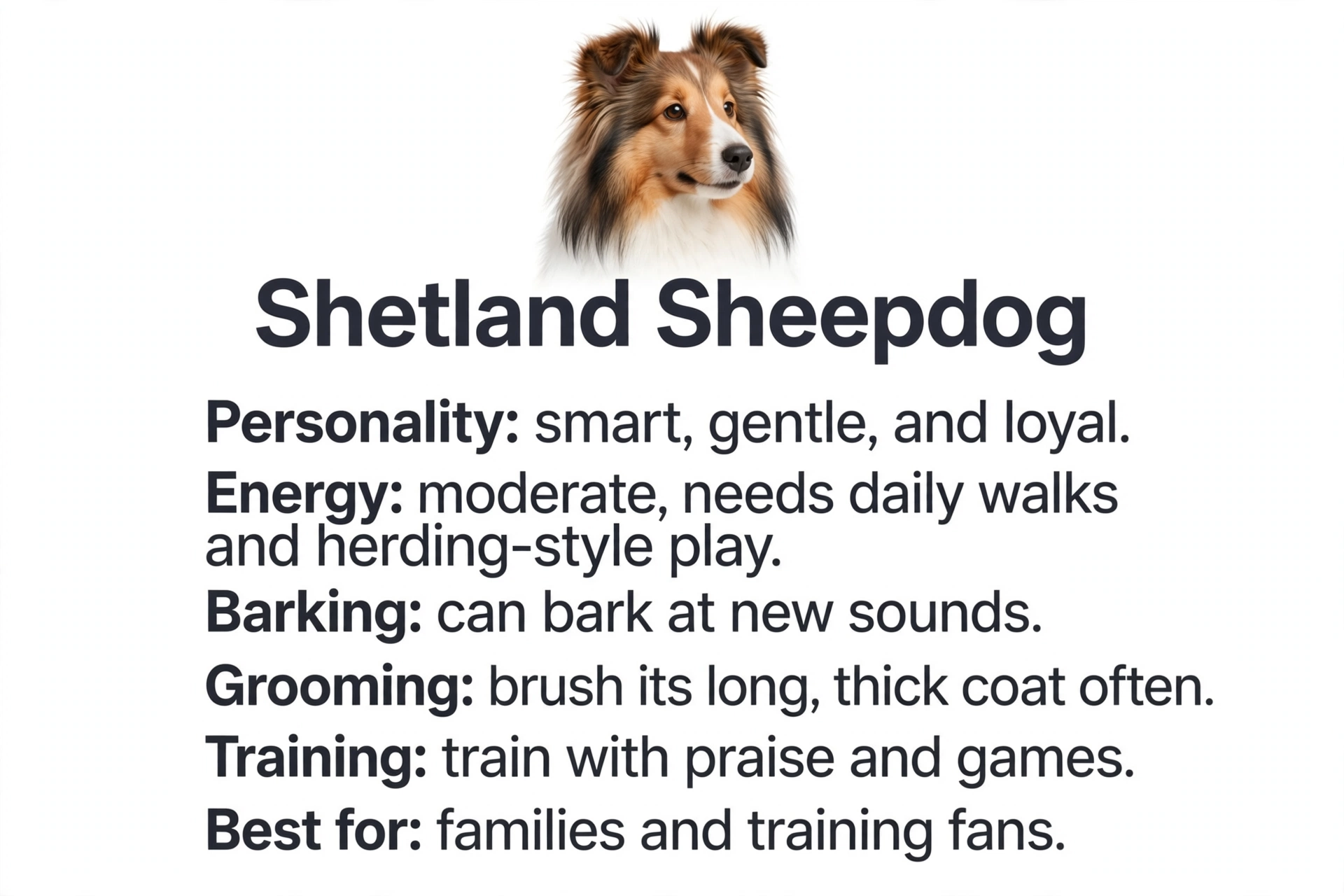
The Shetland Sheepdog is smart, gentle, and loyal, and it learns fast and loves to please you. It has a long, thick coat that needs brushing often, so train it with praise and games and give it daily walks and herding-style play.
It can bark at new sounds, so teach it quiet cues early, and it stays gentle with family. Its energy is moderate. Best for families, training fans, and people who want a gentle, smart dog.
Miniature Poodle

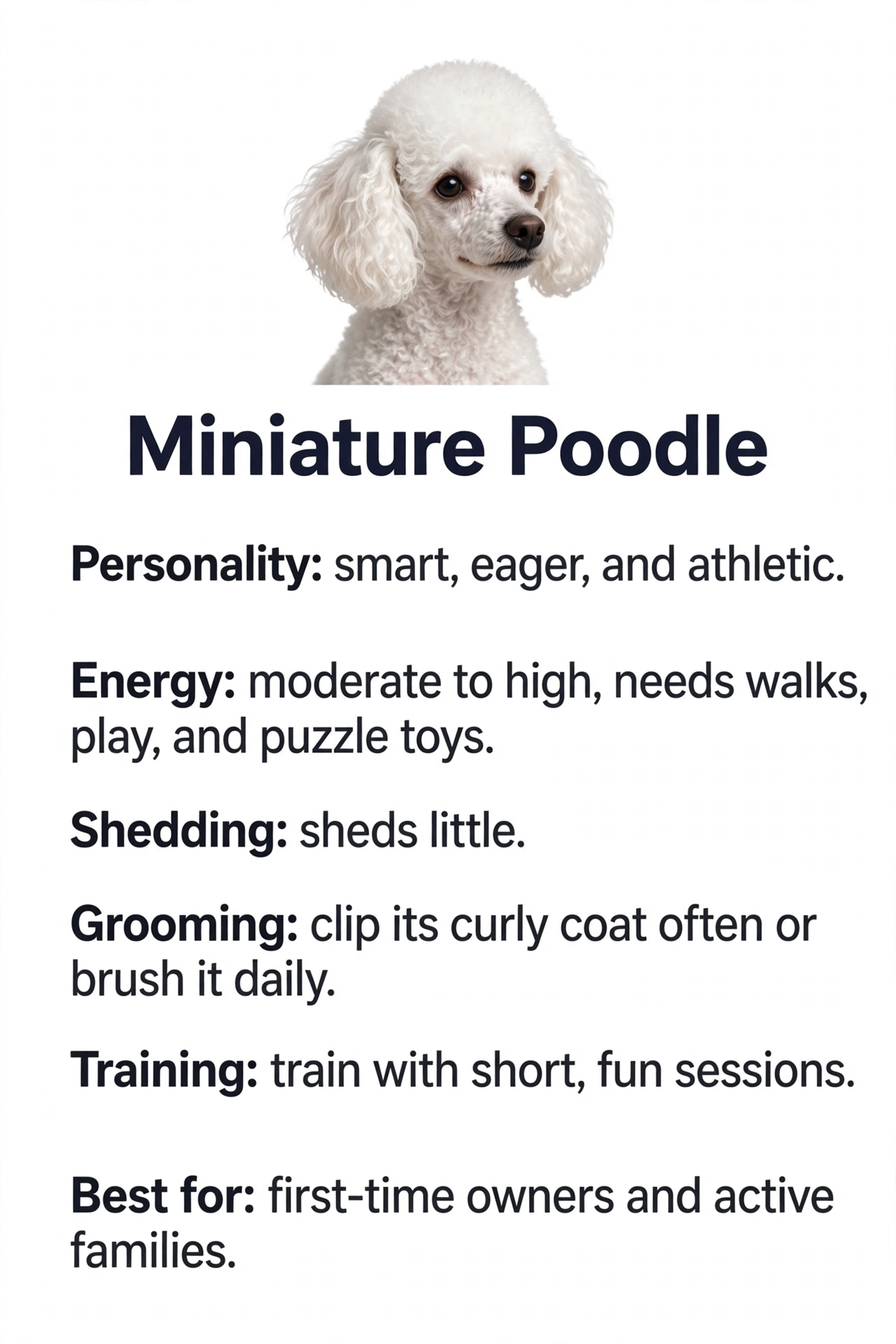
The Miniature Poodle is smart, eager, and athletic, and it learns fast and loves to move. It suits many homes, so train it with short, fun sessions and give it walks, play, and puzzle toys.
Clip its curly coat often or brush it daily, and it sheds little, which suits homes that want a low-shed dog. Its energy is moderate to high, and it needs thinking games as well as walks. Best for first-timers, active families, and homes that want a low-shed dog.
Australian Terrier

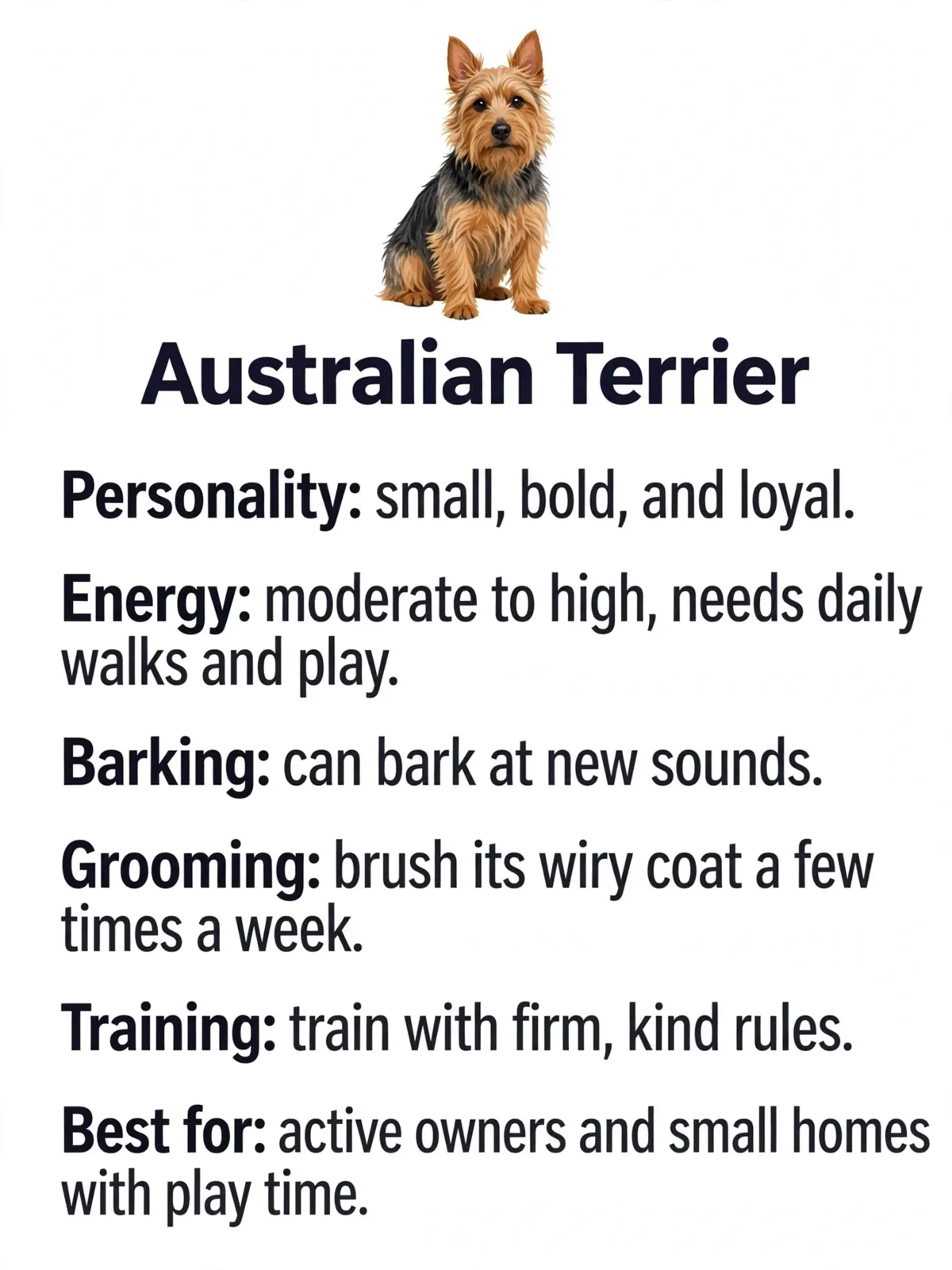
The Australian Terrier is small, bold, and loyal, and it loves to dig, play, and guard its home. It has a wiry coat that needs brushing a few times a week, so give it daily walks and play and train it with firm, kind rules.
Its energy is moderate to high, and it can bark at new sounds, so teach it quiet cues early. It stays alert and brave for its size. Best for active people, small homes with play time, and people who want a bold terrier.
Cairn Terrier
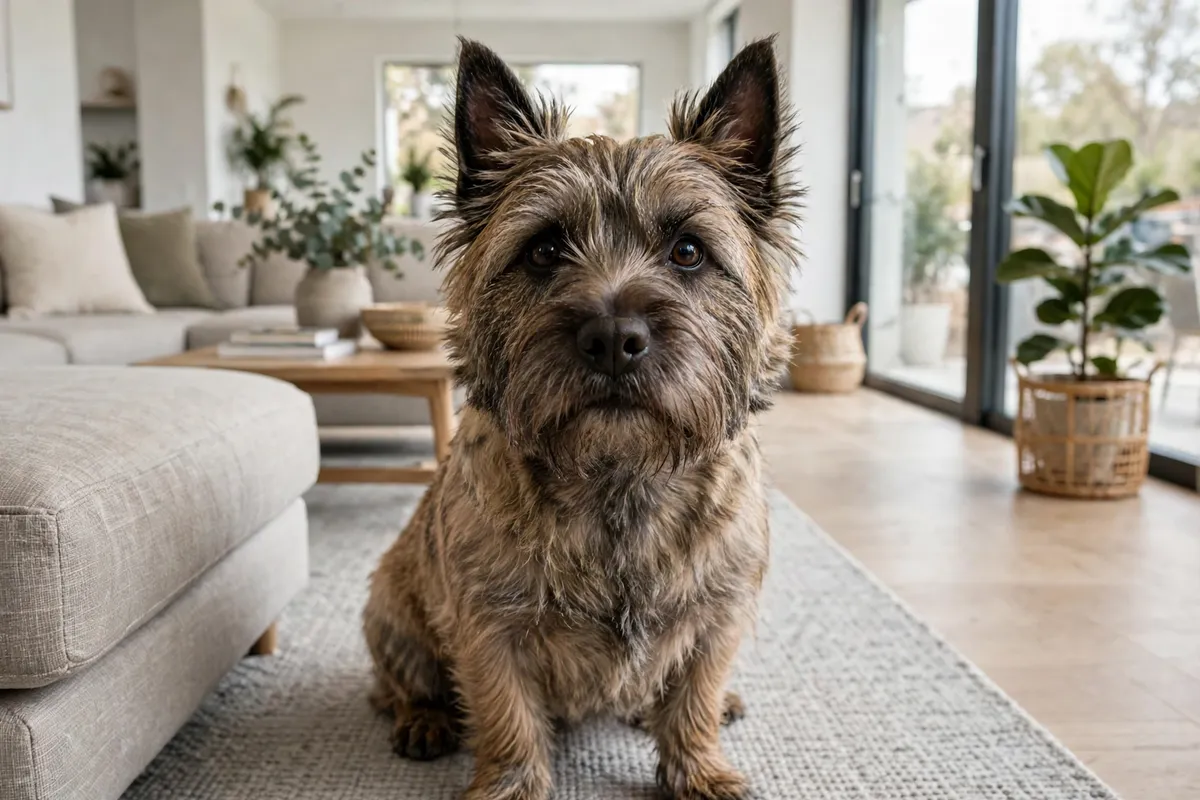
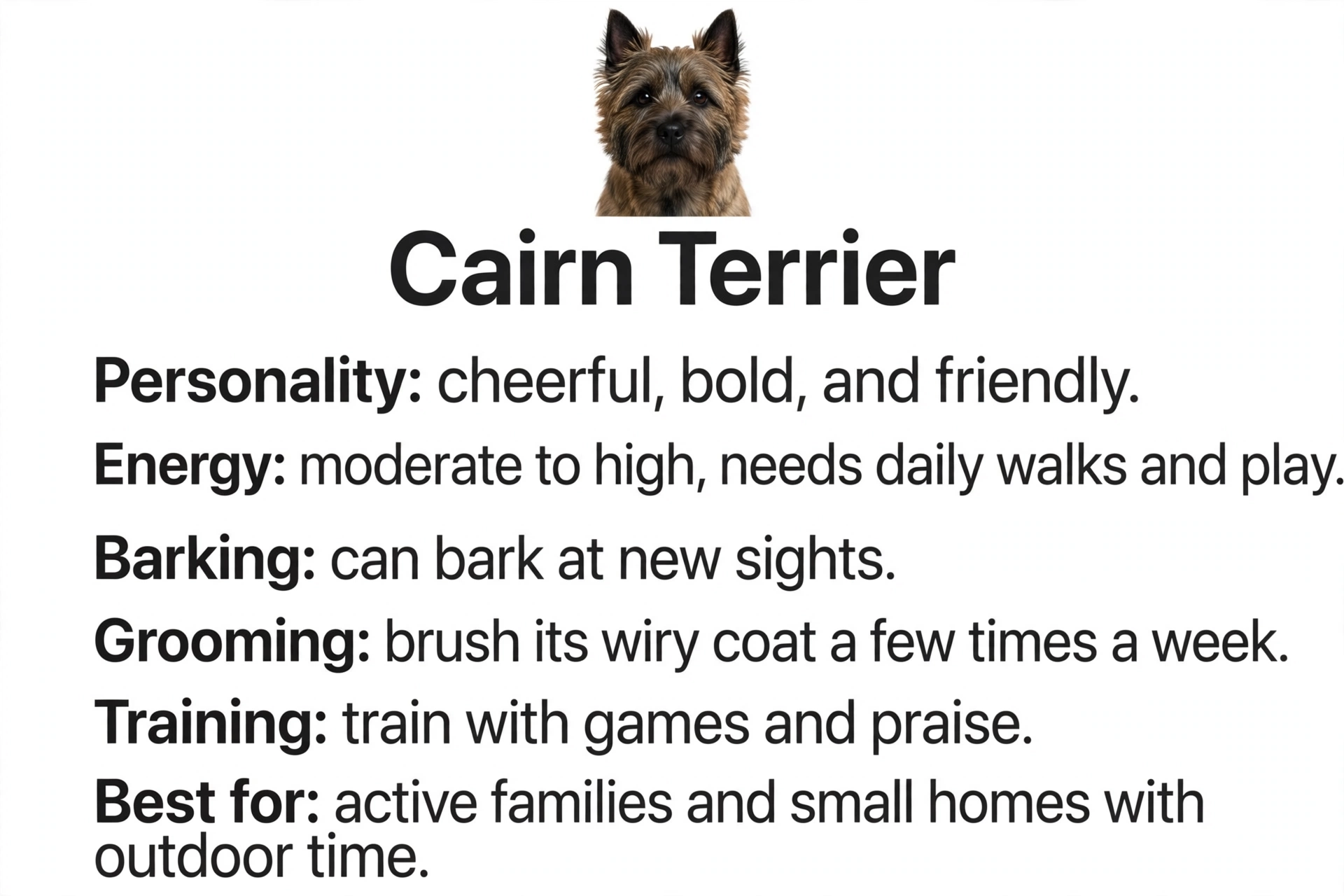
The Cairn Terrier is cheerful, bold, and friendly, and it loves to dig, explore, and play. It stays happy with family, so give it daily walks and play and train it with games and praise.
Brush its wiry coat a few times a week, and give it safe digging spots, since it loves to dig when it gets bored. Its energy is moderate to high, and it can bark at new sights.
Best for active families, people who want a cheerful terrier, and small homes with outdoor time.
Popular Small Mixes
Small mixes blend two breeds into one dog. They can take traits from either parent, so each dog can act a little different. Ask about the parents, meet the puppy if you can, and pick for temperament, not just for looks.
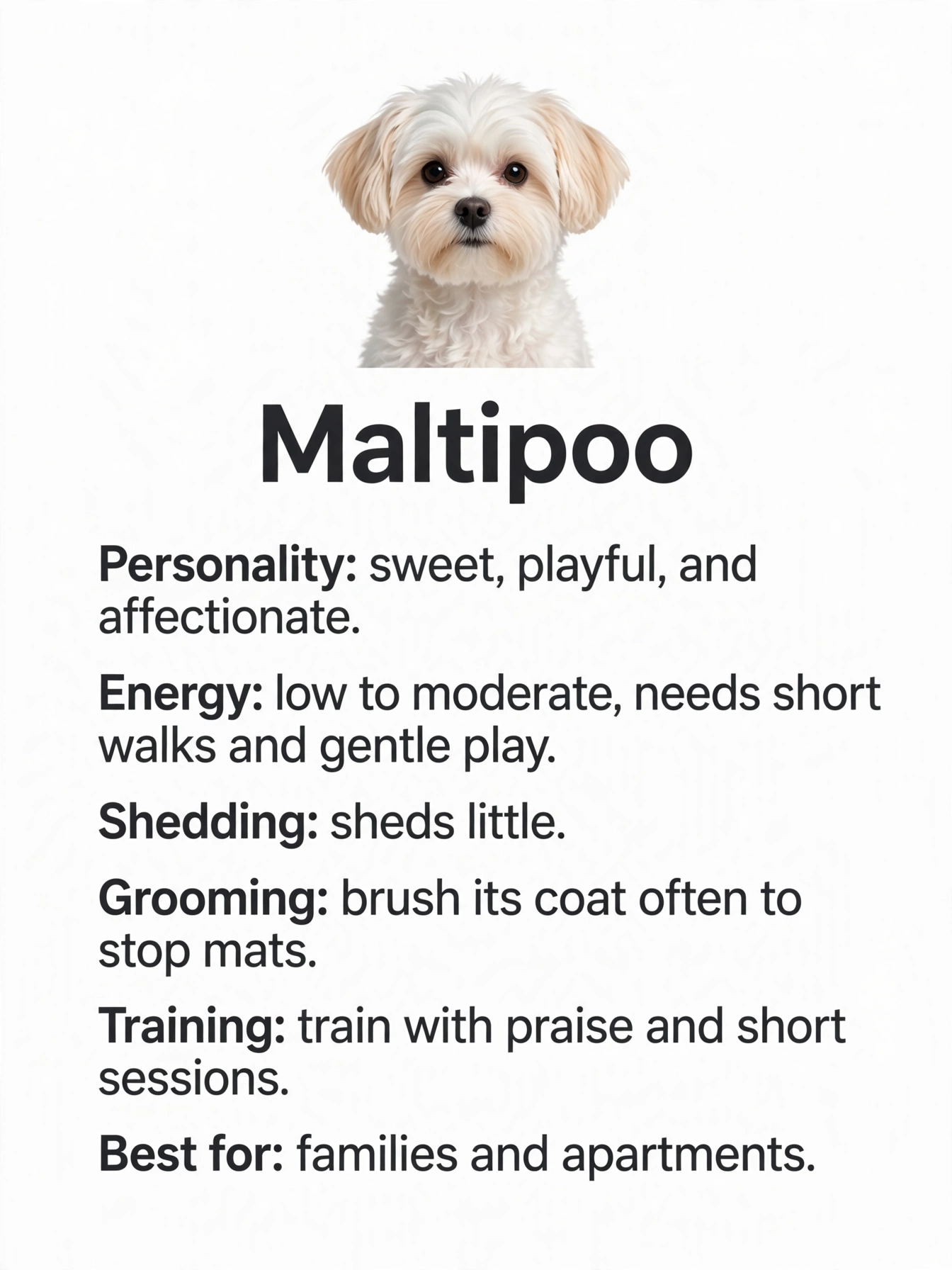
Maltipoo
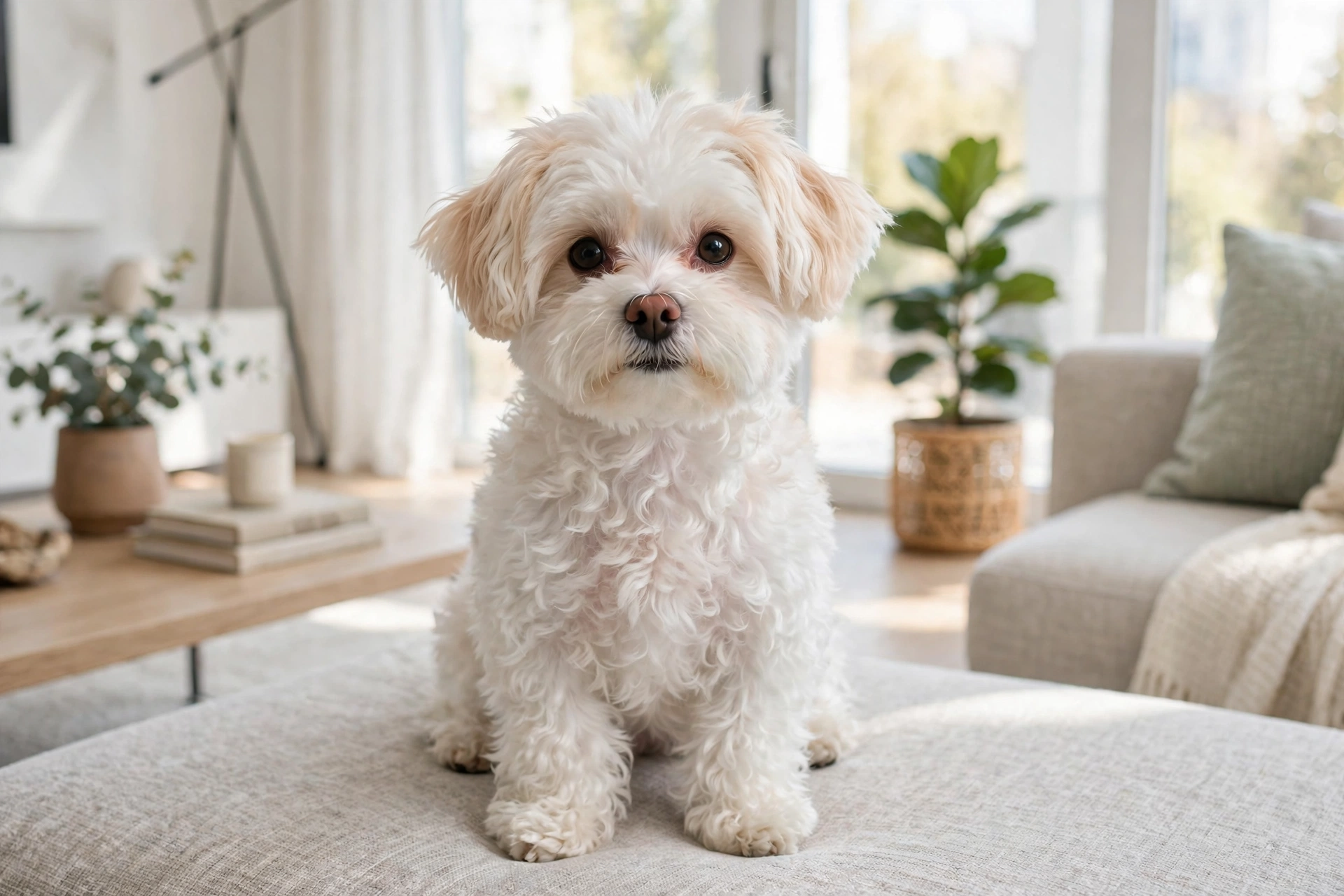
The Maltipoo is a Maltese and Poodle mix, and it is sweet, playful, and affectionate. It loves laps and family time, so give it short walks and gentle play and train it with praise and short sessions.
A quick brush most days keeps mats away, and it drops very little hair, so it fits homes that want a low-shed mix. Its energy is low to moderate, and it stays calm indoors. Best for families, apartments, and people who want a friendly, low-shed mix.
Yorkipoo
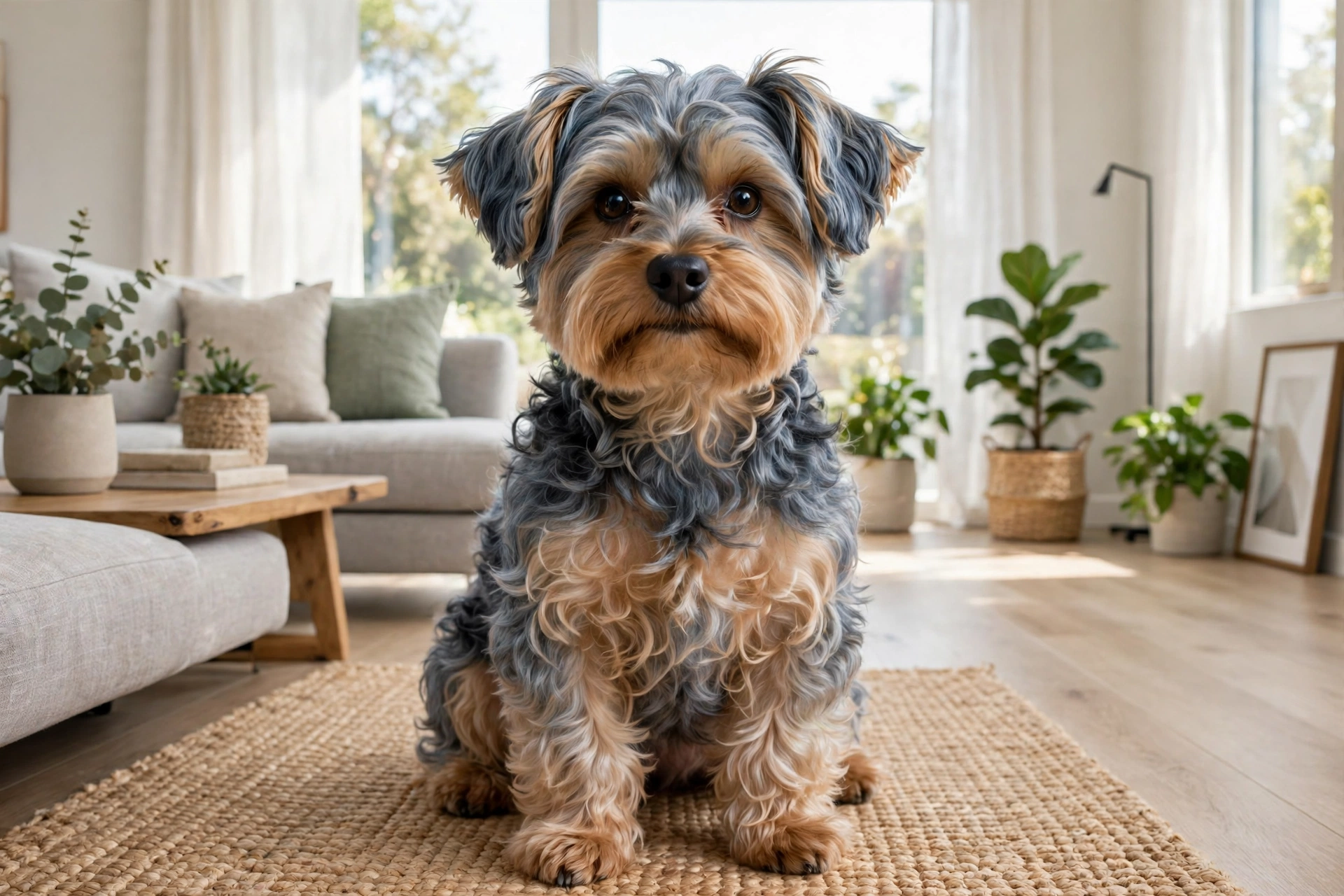
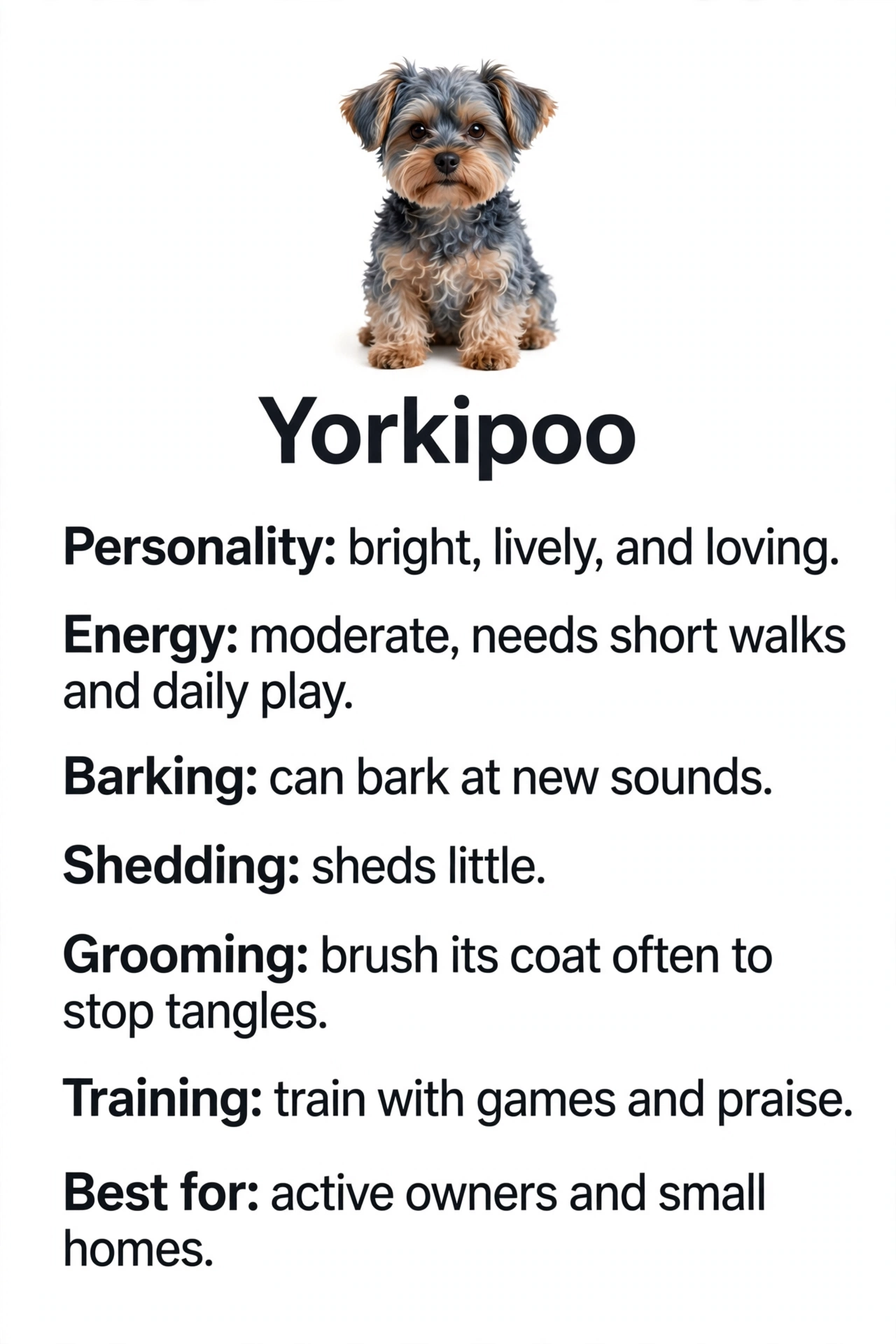
The Yorkipoo is a Yorkshire Terrier and Poodle mix, and it is bright, lively, and loving. It loves play and people time, so give it short walks and daily play and train it with games and praise.
Comb it often to keep tangles out, and expect only light shedding, which suits homes that want a low-shed mix. Its energy is moderate, and it can bark at new sounds, so teach quiet cues early. Best for active people, small homes, and people who want a smart, lively mix.
Cavapoo
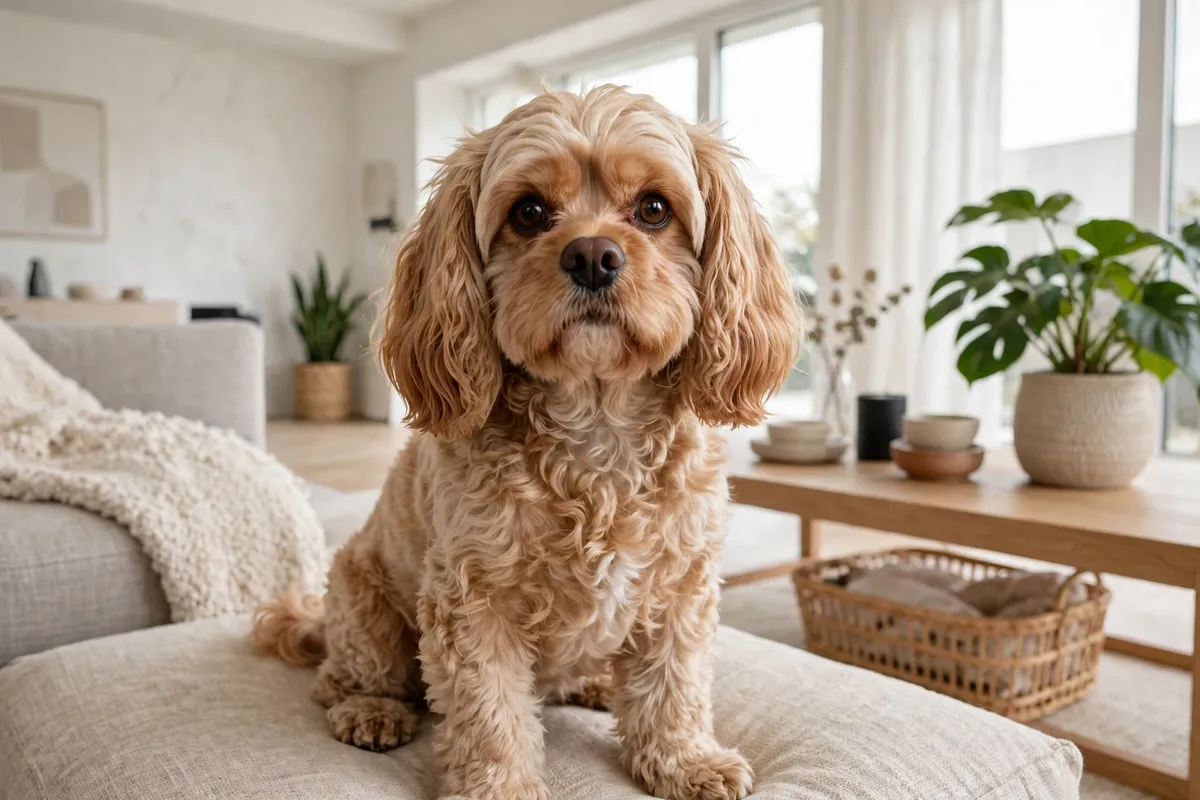
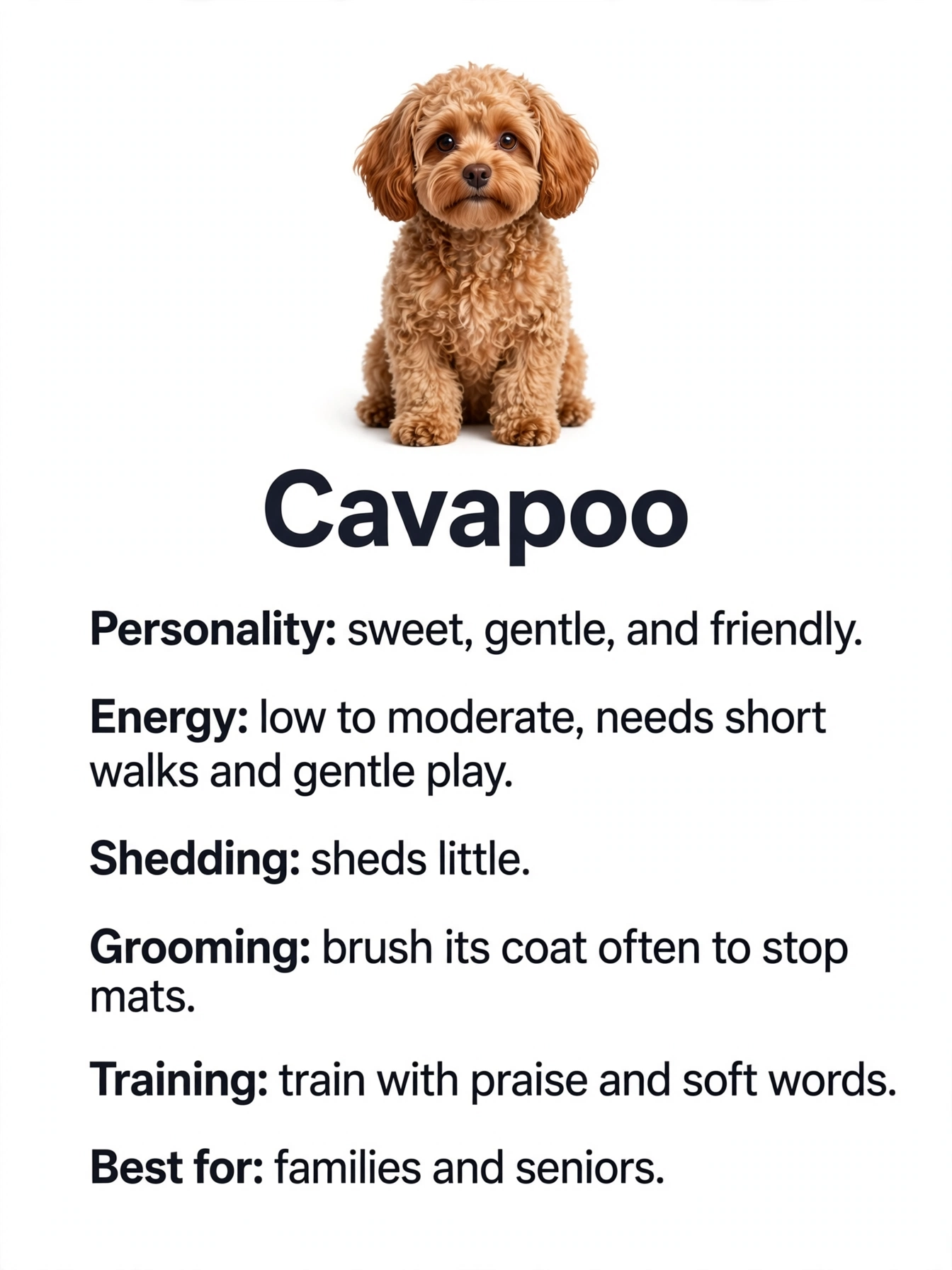
The Cavapoo is a Cavalier King Charles Spaniel and Poodle mix, and it is sweet, gentle, and friendly. It loves cuddles and calm play, so give it short walks and gentle play and train it with praise and soft words.
Keep its coat free of mats with regular brushing, and enjoy how little hair it drops — a good match for homes that want a low-shed mix. Its energy is low to moderate, and it stays quiet and easy to live with.
Best for families, seniors, and people who want a gentle, low-shed mix.
Cockapoo (Miniature)
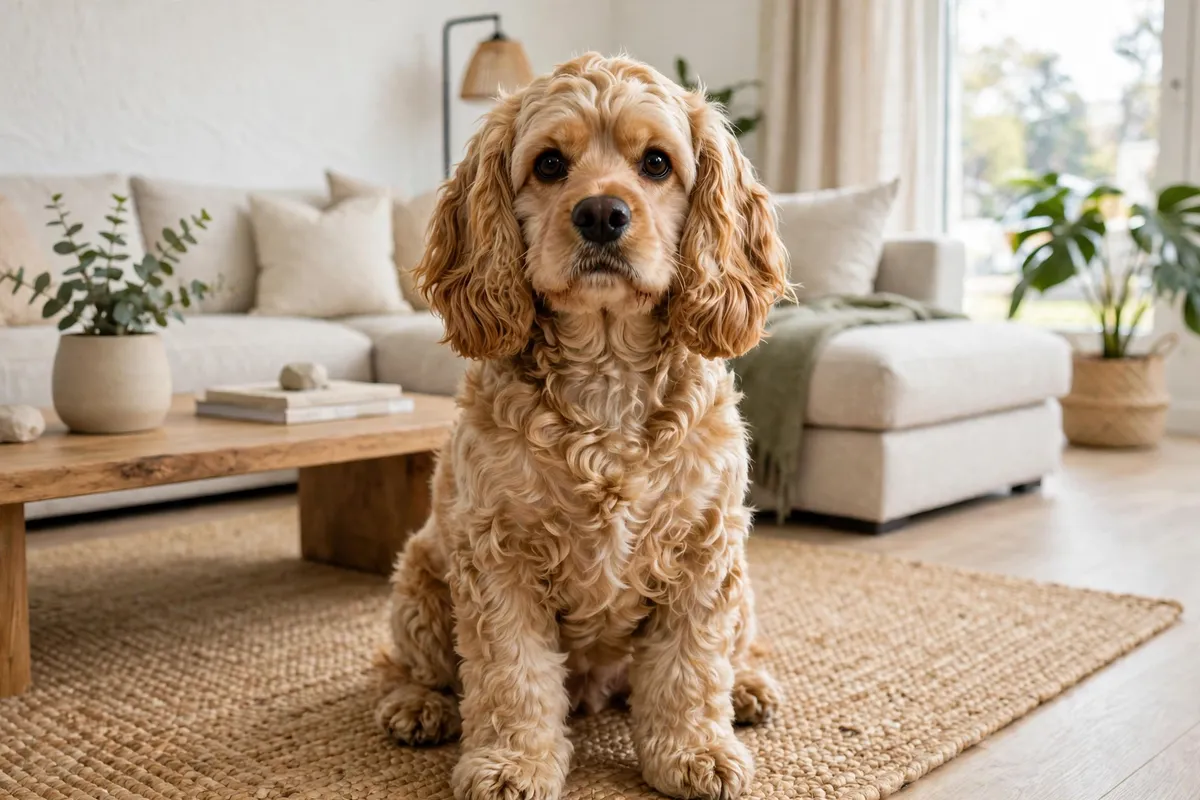
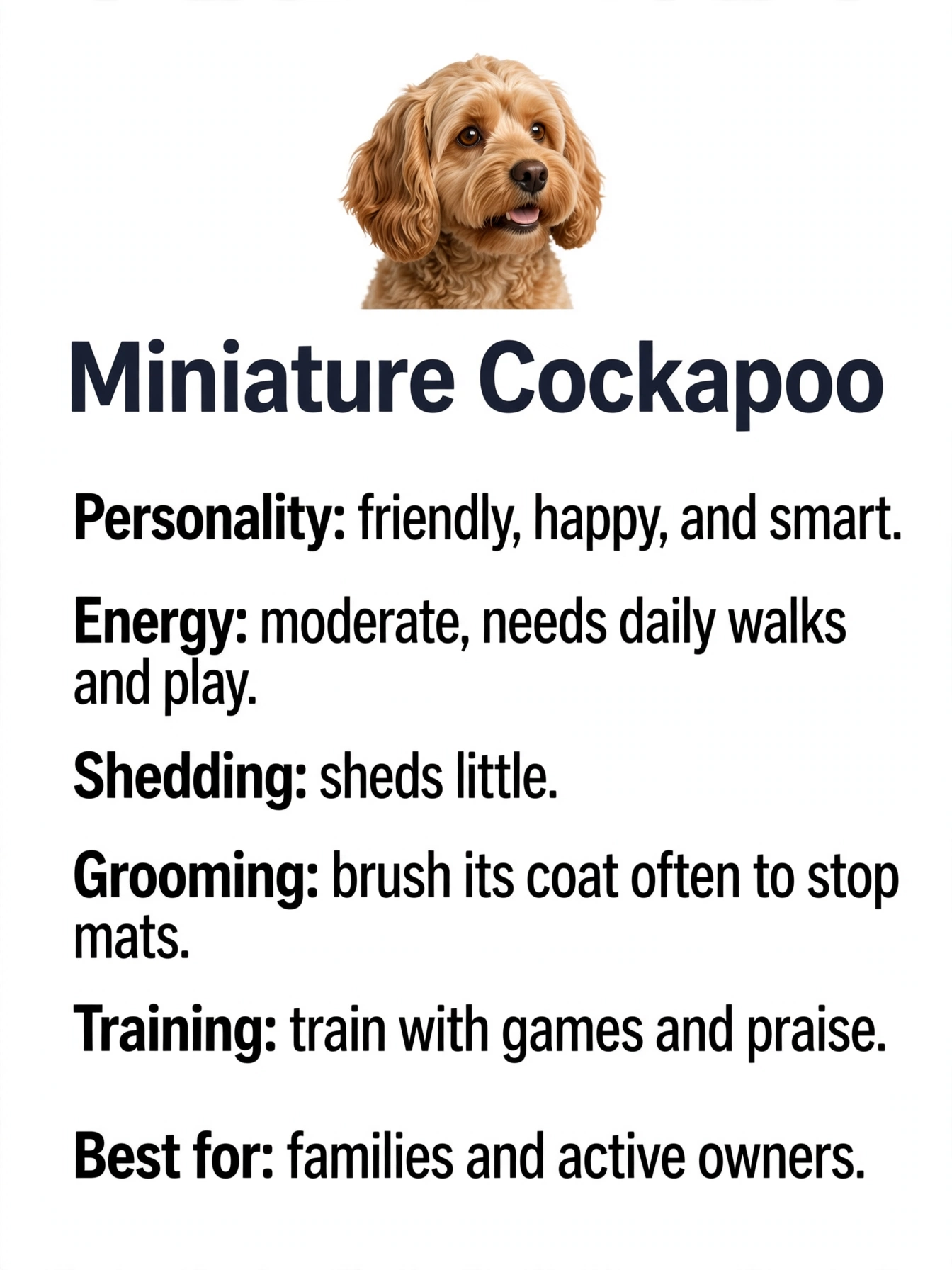
The Miniature Cockapoo is a Cocker Spaniel and Poodle mix, and it is friendly, happy, and smart. It loves family time and play, so give it daily walks and play and train it with games and praise.
Brush the coat often so mats never form; it drops only a little hair, which suits homes that want a low-shed mix. Its energy is moderate, and it stays cheerful with kids and guests. Best for families, active people, and people who want a friendly, low-shed mix.
Shih-Poo
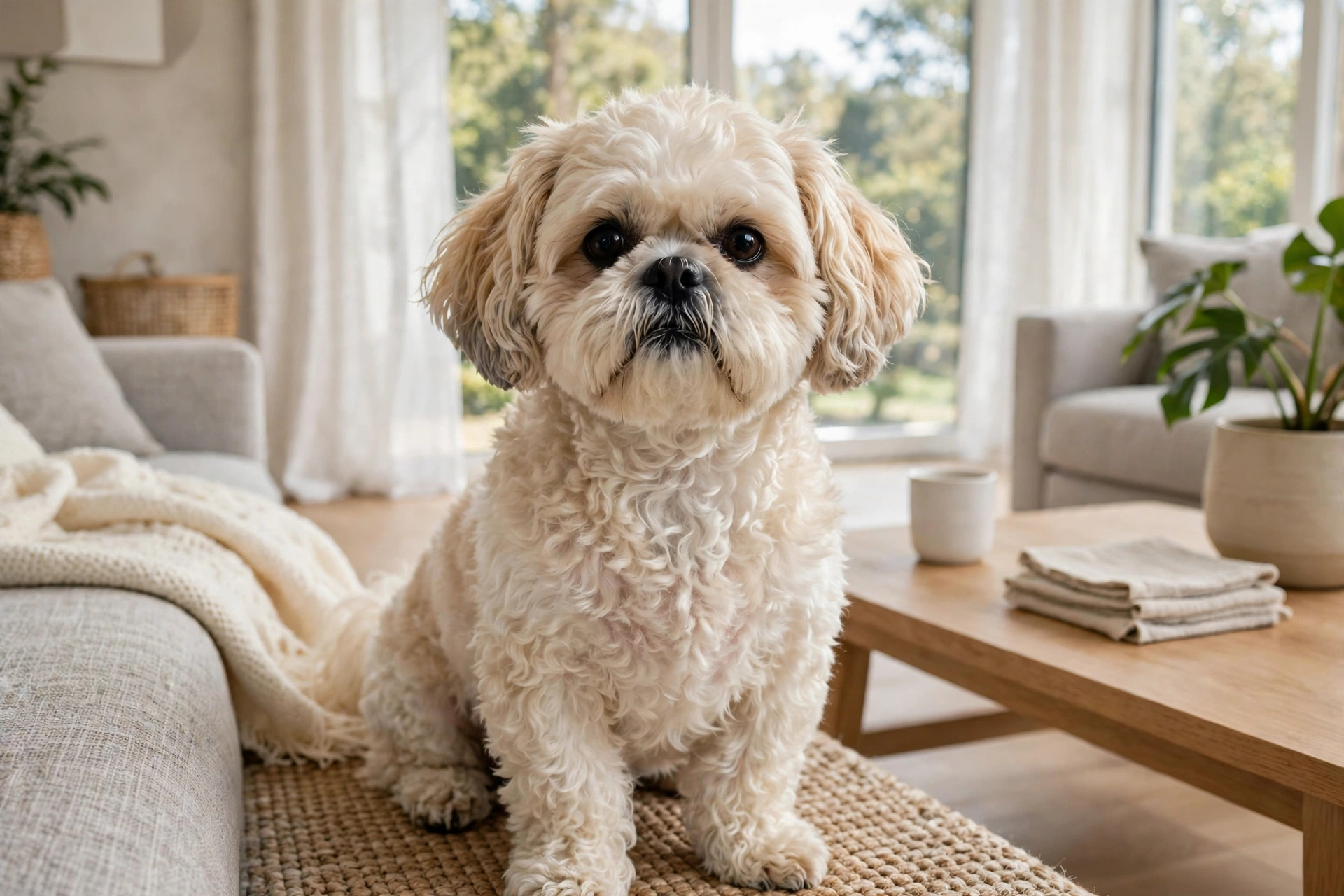
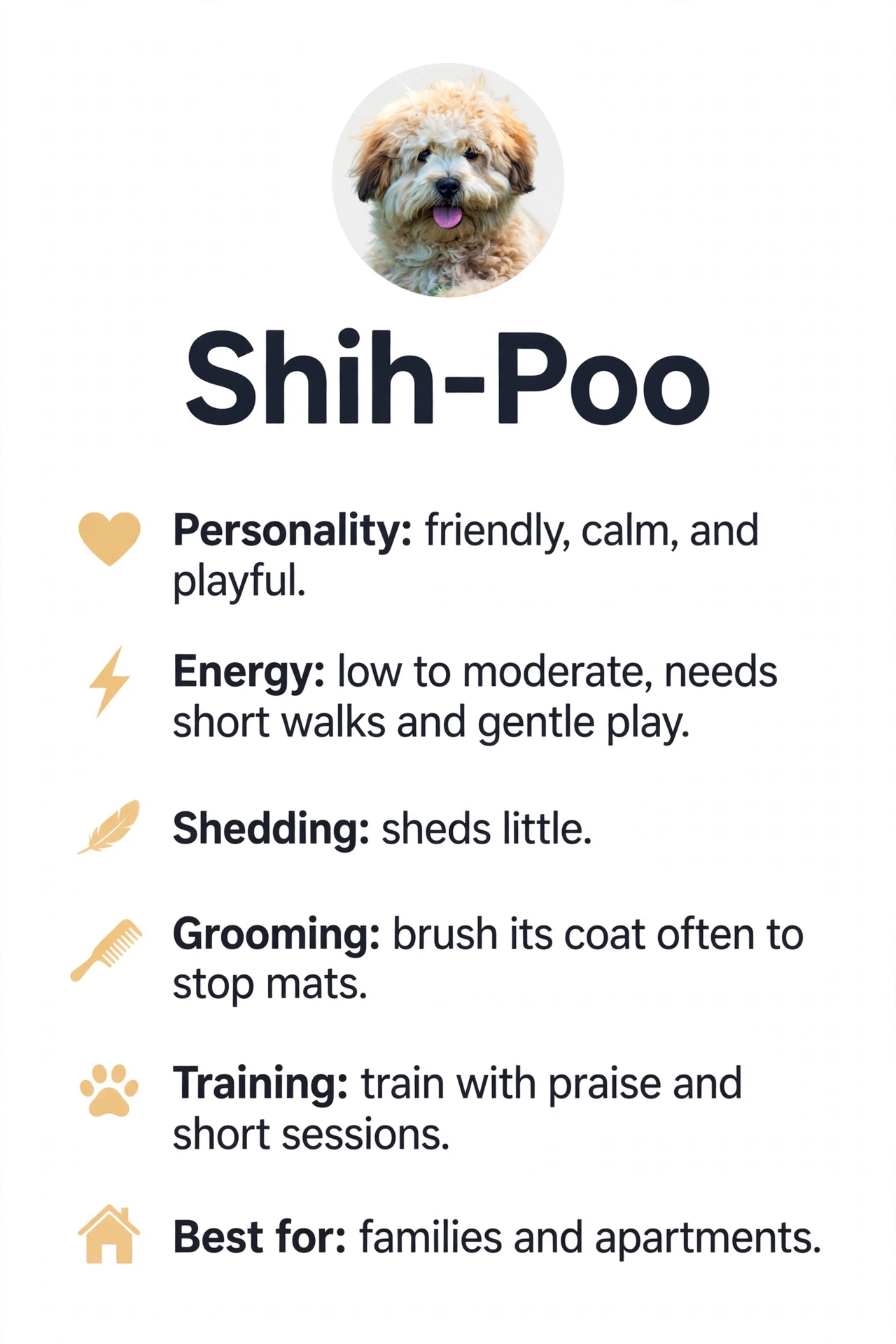
The Shih-Poo is a Shih Tzu and Poodle mix, and it is friendly, calm, and playful. It loves laps and family time, so give it short walks and gentle play and train it with praise and short sessions.
Regular brushing stops mats from forming, and its light shedding suits homes that want a low-shed mix. Its energy is low to moderate, and it stays gentle with family. Best for families, apartments, and people who want a calm, low-shed mix.
Poochon (Bichpoo)
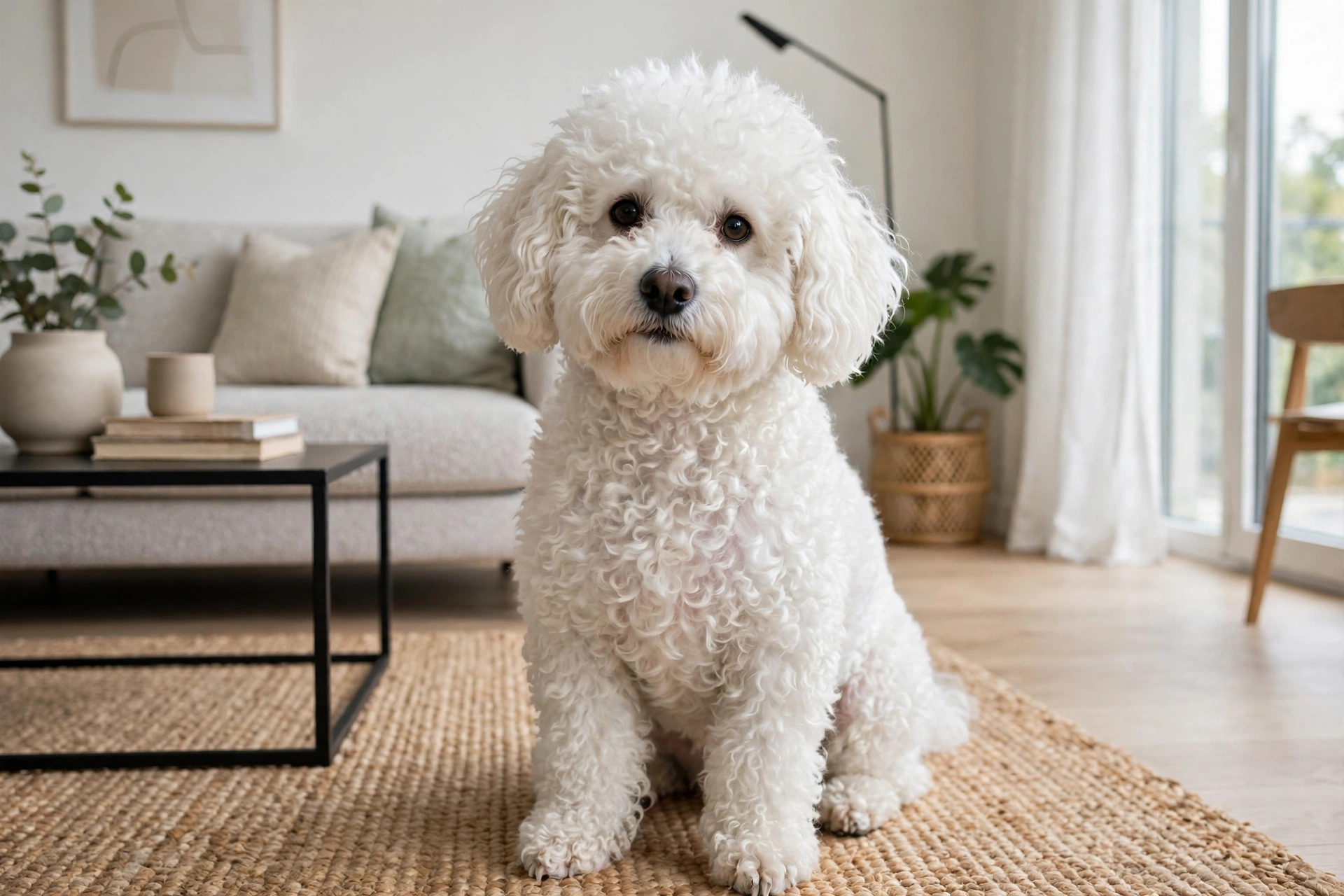
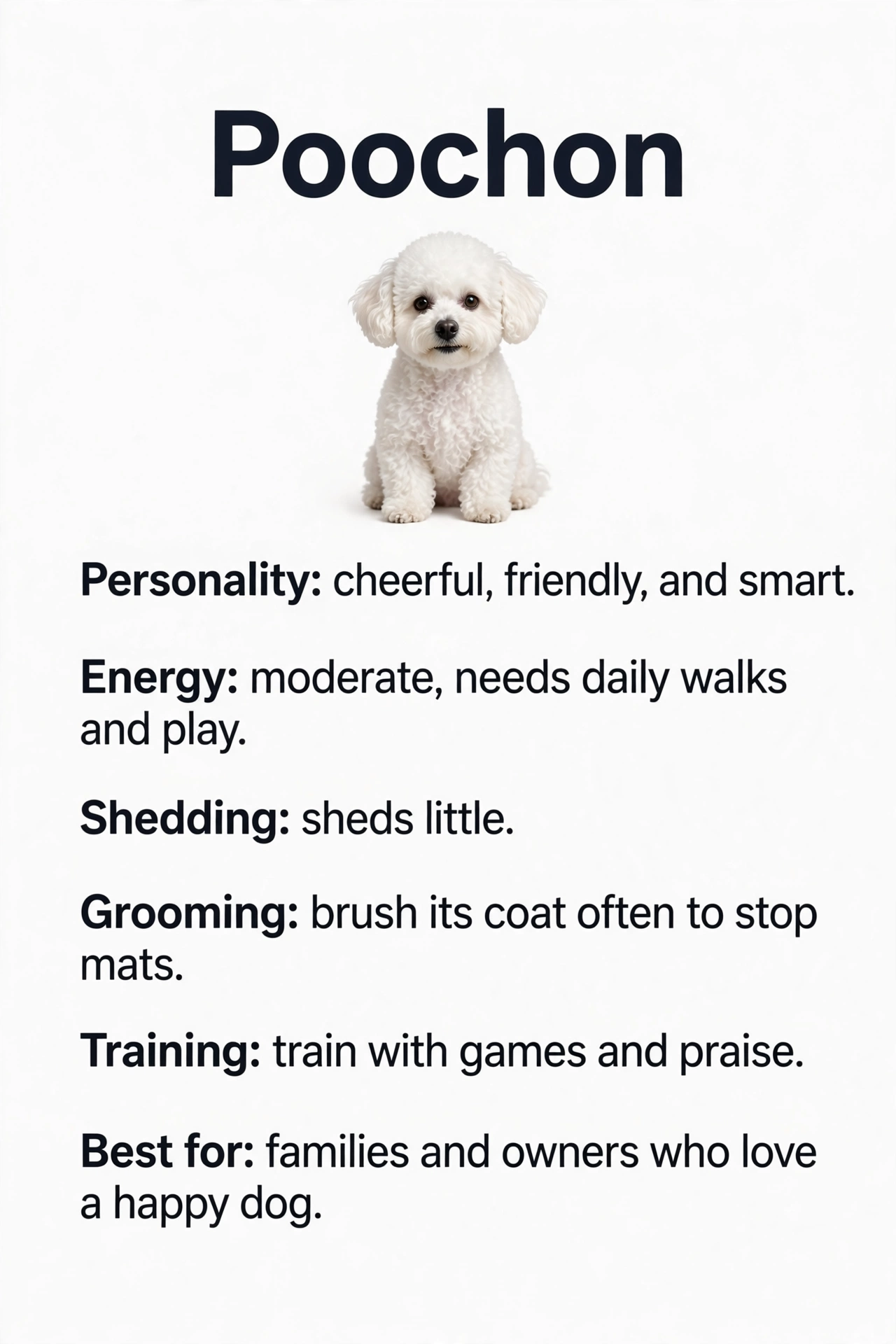
The Poochon is a Bichon Frise and Poodle mix, and it is cheerful, friendly, and smart. It loves people and play, so give it daily walks and play and train it with games and praise.
Brush often to stop mats, and take comfort in how little hair it drops — a fit for allergy-aware homes that want a low-shed mix. Its energy is moderate, and it stays happy in family life. Best for families and people who love a happy dog.
Schnoodle (Miniature)
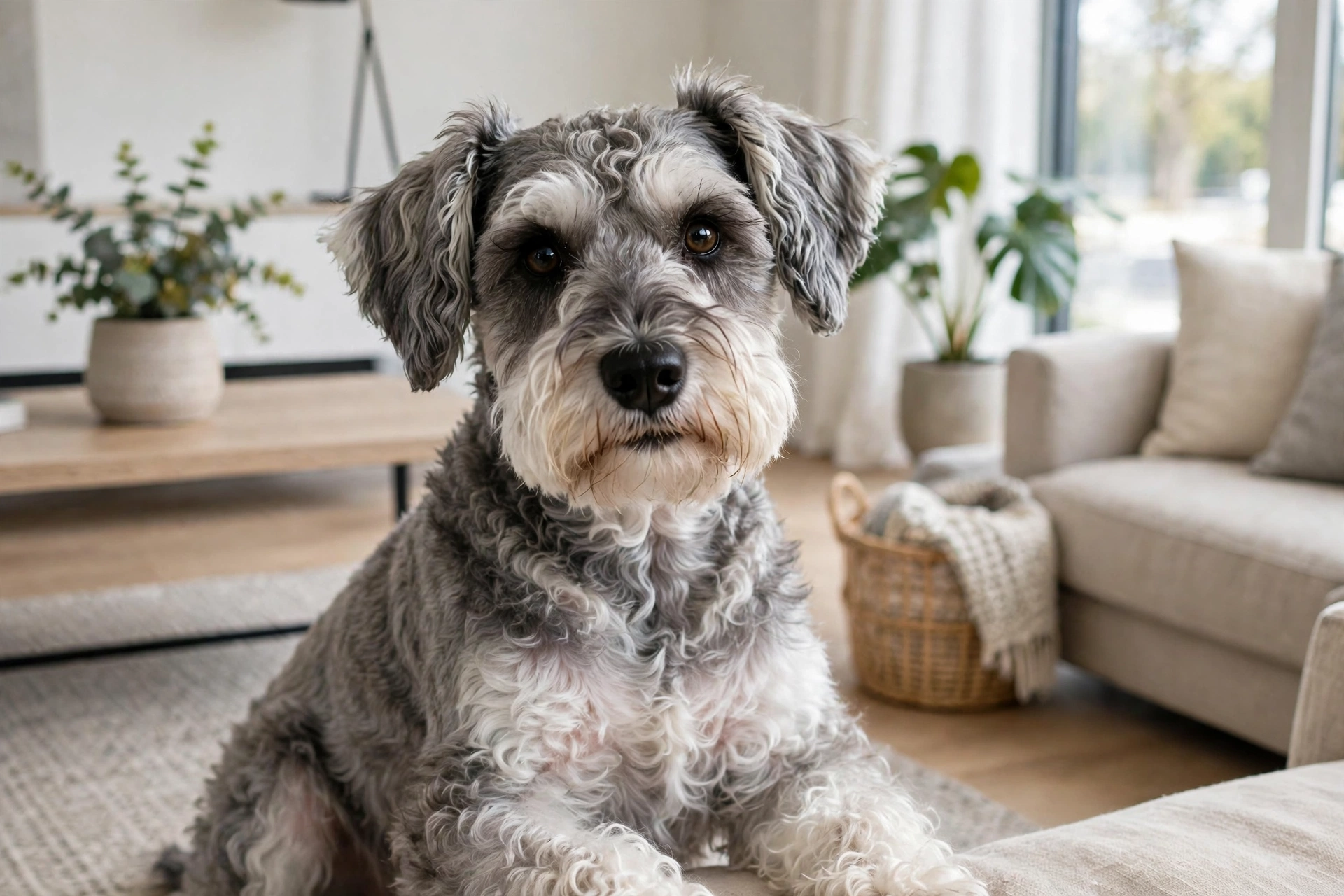
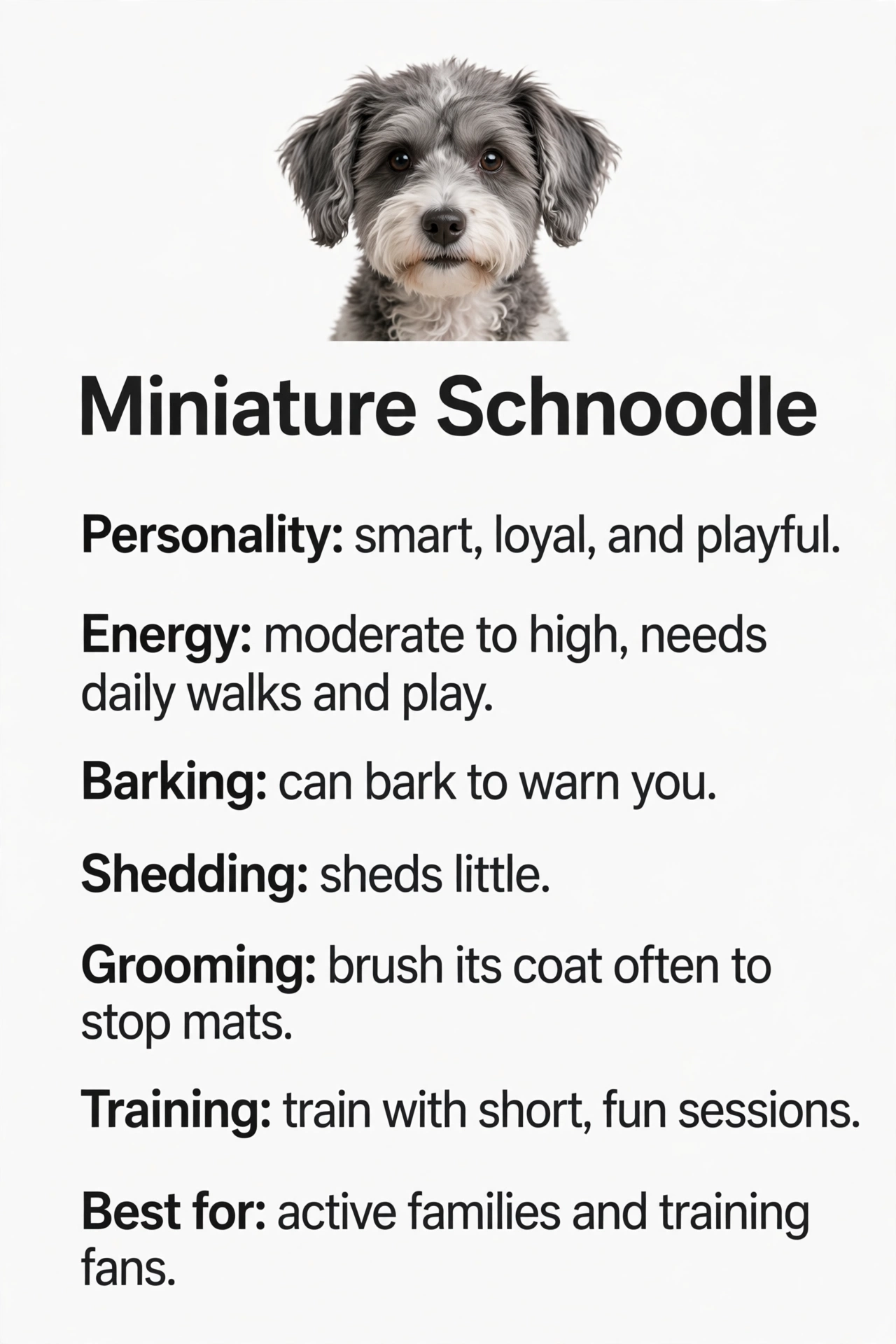
The Miniature Schnoodle is a Miniature Schnauzer and Poodle mix, and it is smart, loyal, and playful. It loves to learn and play, so train it with short, fun sessions and give it daily walks and play.
A regular brush keeps mats away, and it drops only a little hair, which suits homes that want a low-shed mix. Its energy is moderate to high, and it can bark to warn you, so teach quiet cues early.
Best for active families, training fans, and people who want a smart, low-shed mix.
Morkie
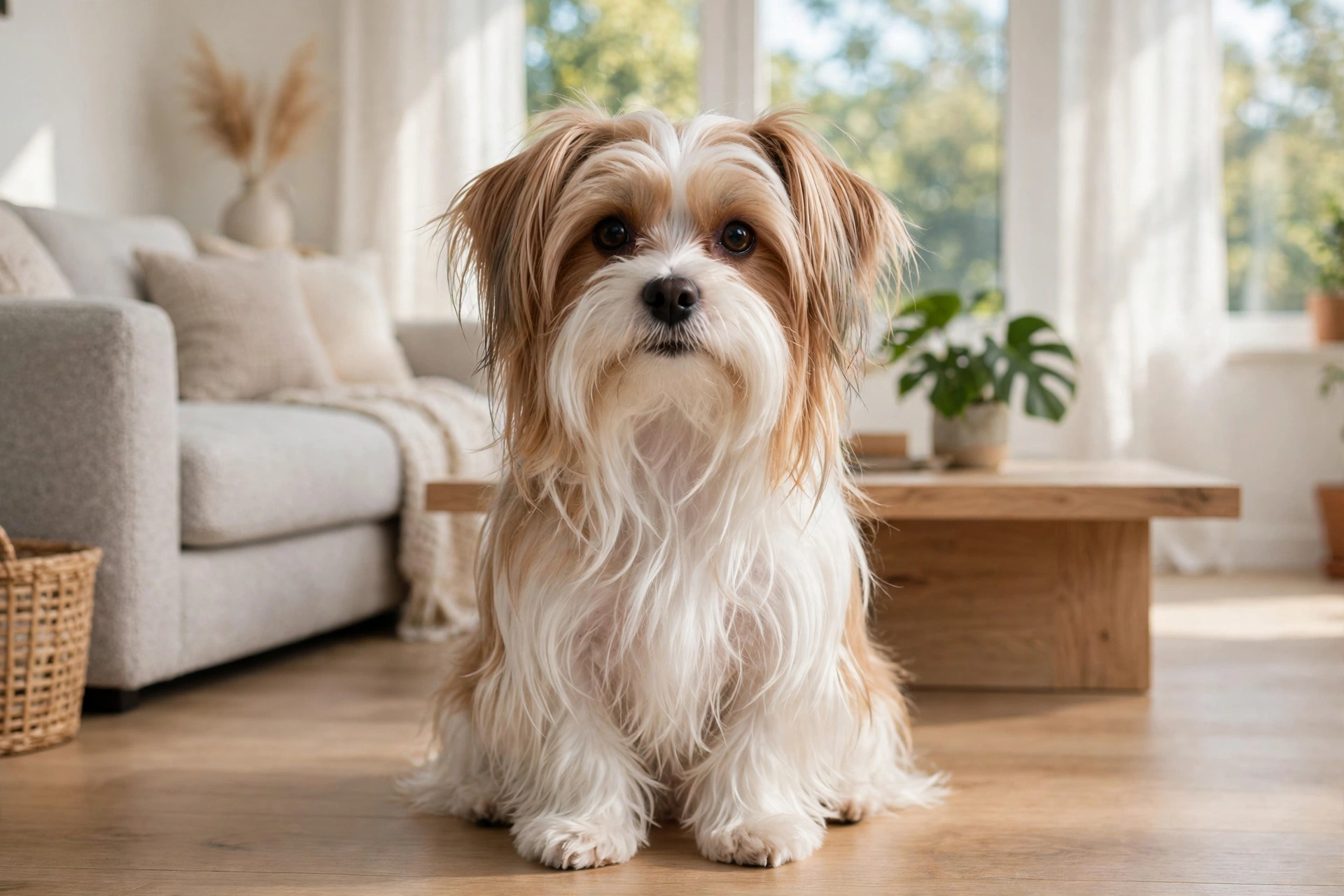
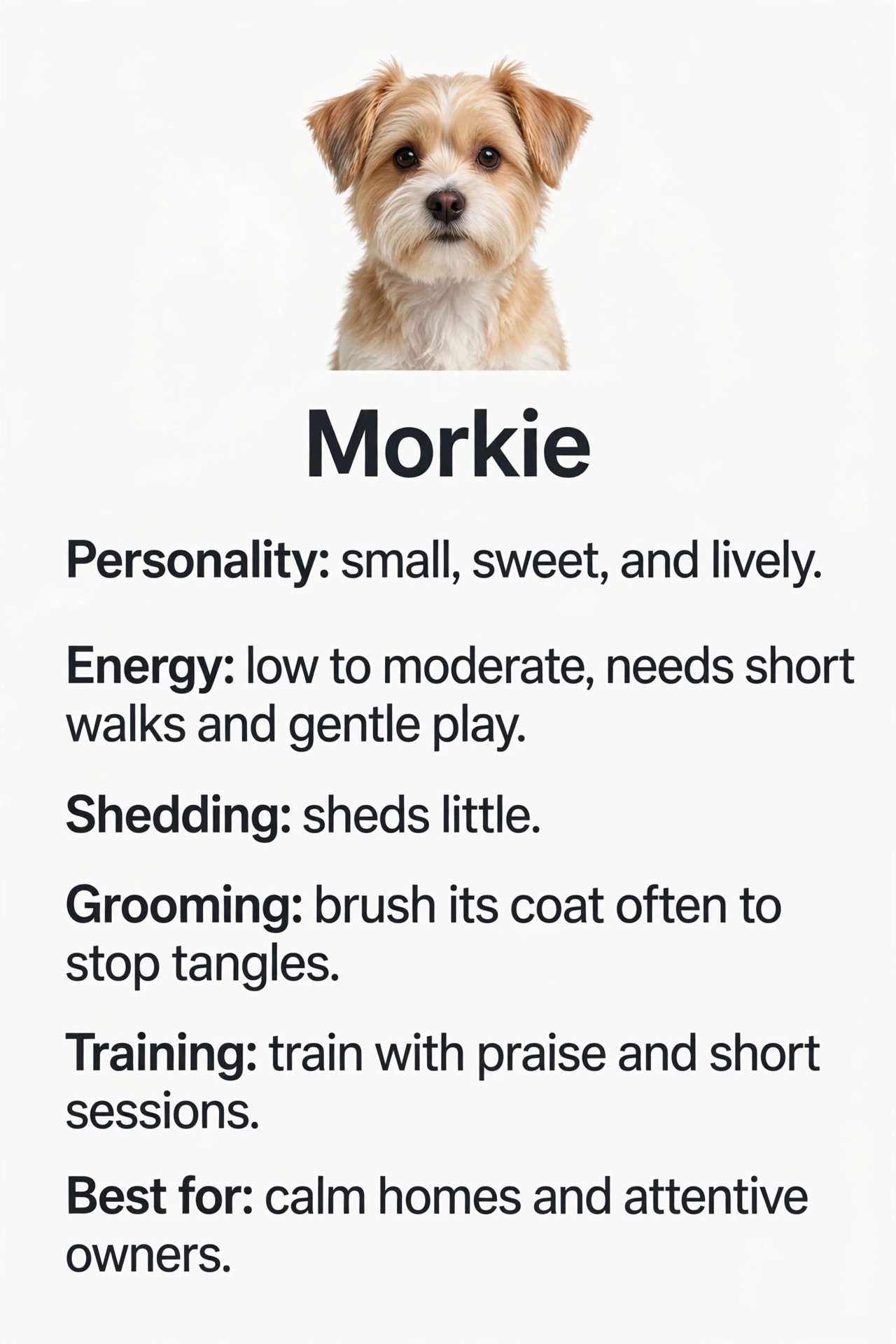
The Morkie is a Maltese and Yorkshire Terrier mix, and it is small, sweet, and lively. It loves laps and attention, so give it short walks and gentle play and train it with praise and short sessions.
Brush it often to keep tangles away; it drops very little hair, which suits homes that want a low-shed mix. Its energy is low to moderate, and it stays close to you. Best for calm homes, attentive people, and people who want a tiny, loving mix.
Chug
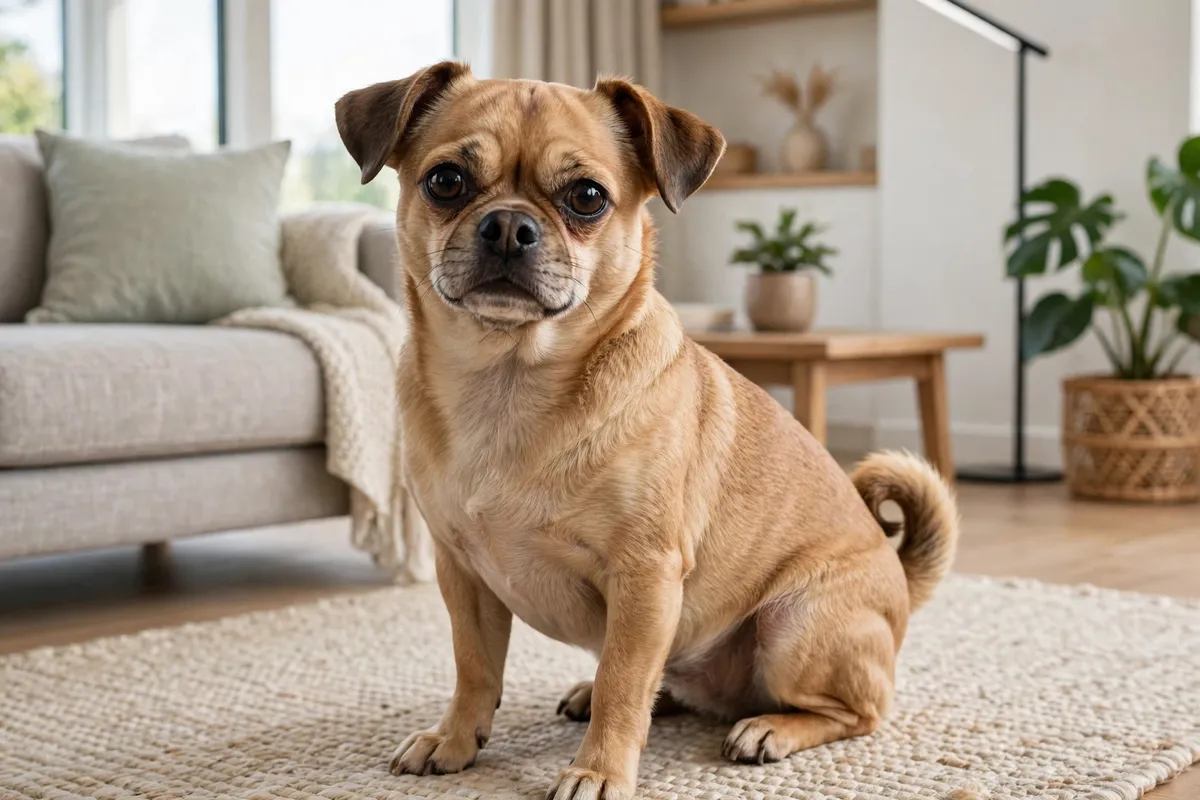
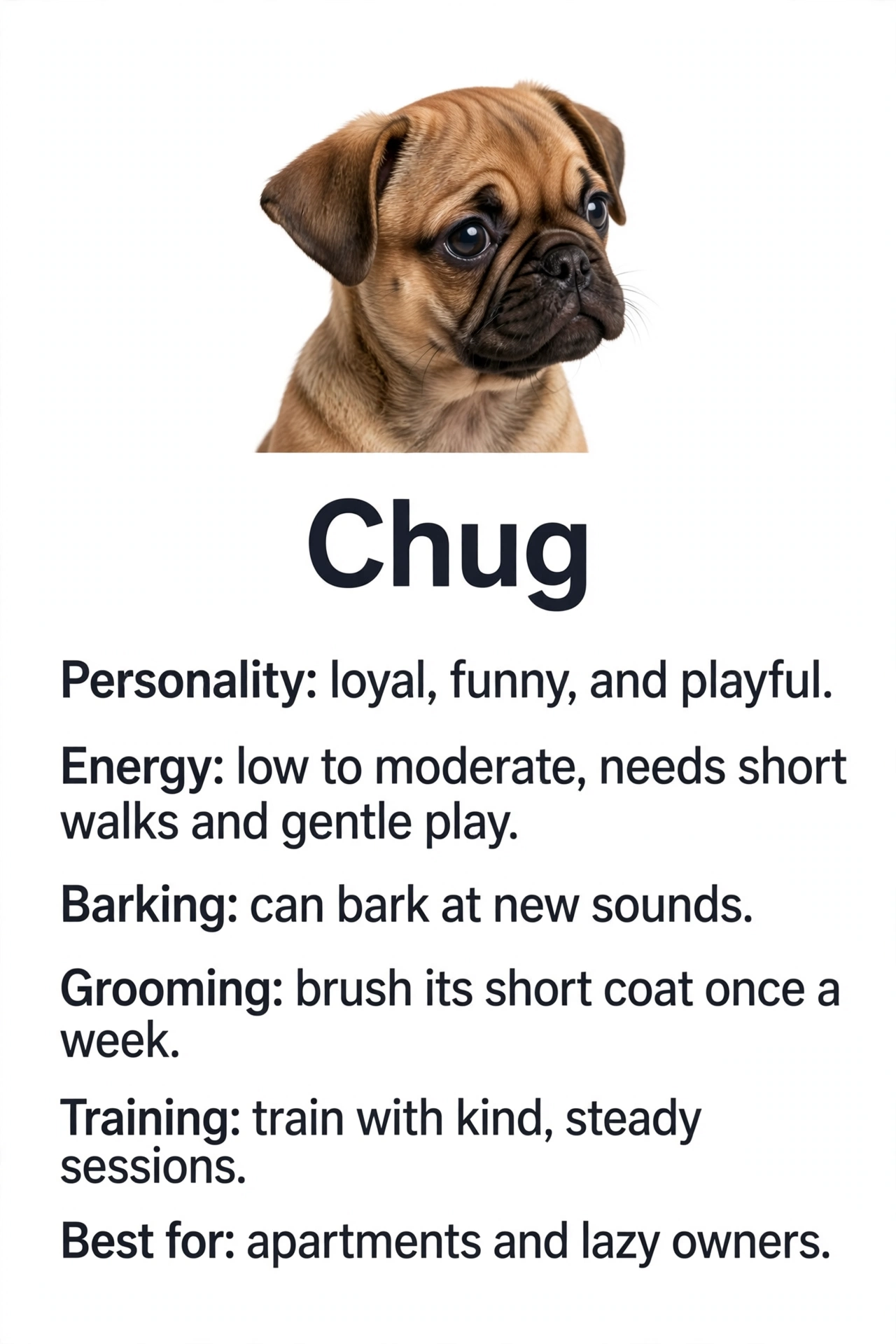
The Chug is a Chihuahua and Pug mix, and it is loyal, funny, and playful. It loves family time and naps, so give it short walks and gentle play and train it with kind, steady sessions. Watch its weight, keep treats small, and brush its short coat once a week.
Its energy is low to moderate, and it can bark at new sounds like its Chihuahua parent. Best for apartments, easygoing people, and people who want a funny, loyal mix.
Frenchton
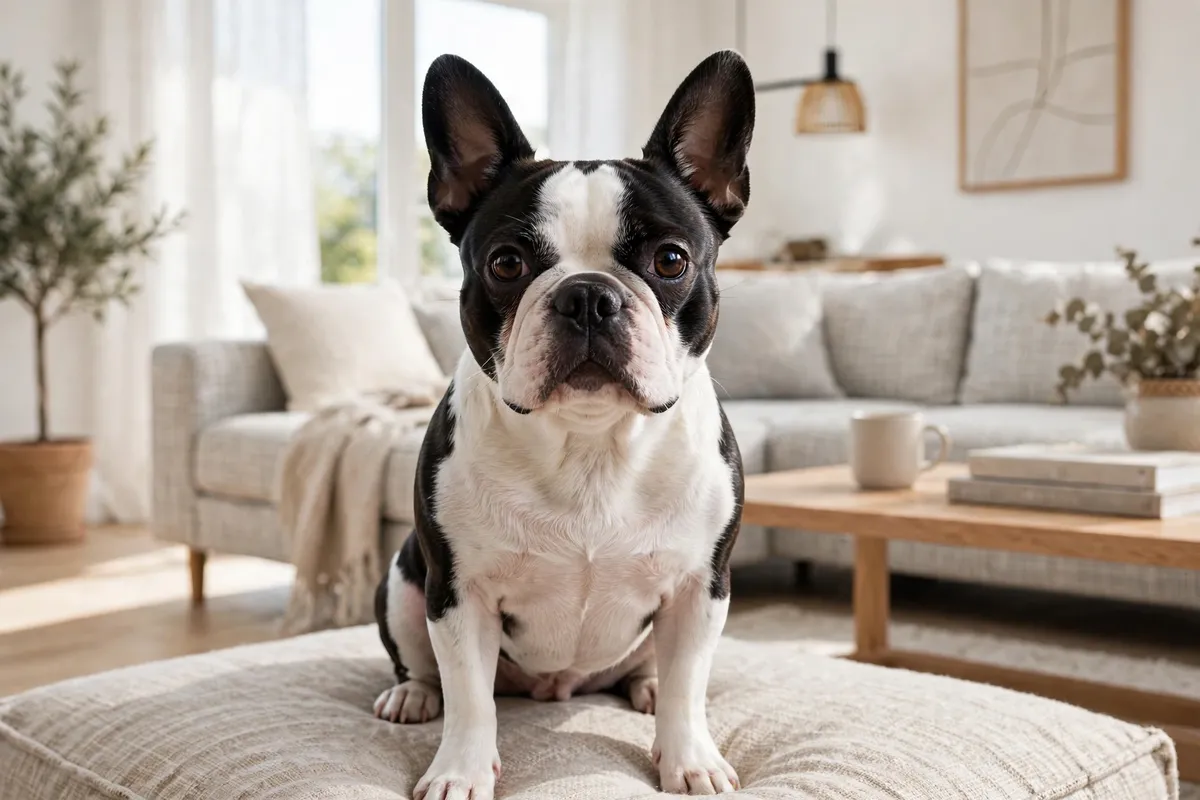
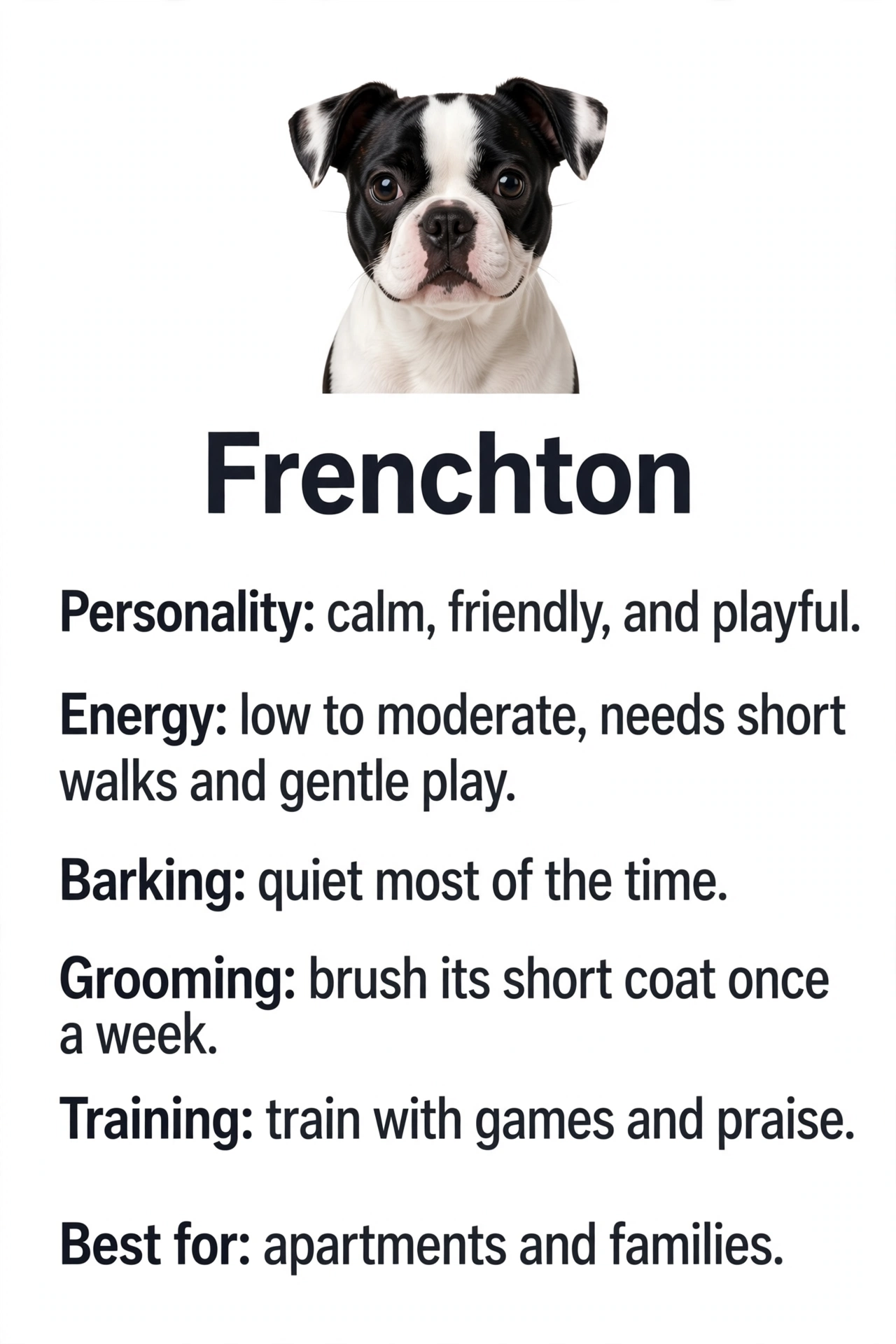
The Frenchton is a French Bulldog and Boston Terrier mix, and it is calm, friendly, and playful. It loves people and short play bursts, so give it short walks and gentle play and train it with games and praise.
Watch its weight, keep it cool in hot weather, and brush its short coat once a week. Its energy is low to moderate, and it stays quiet most of the time. Best for apartments, families, and people who want a calm, friendly mix.
Small Dog Breeds A–Z — Quick List
Use this A–Z list to find a breed fast. It lists all 50 small dog breeds from this guide, with the group for each one:
If you want a small dog breeds list with pictures, use this A–Z list as your checklist. Save the breed names you like. Then look at real photos from the breeder, rescue, or breed club before you choose.
Which Small Breed Fits Your Life? Quick-Match Guide
Match the dog to your day. Use this guide to narrow the list fast:
What is the best small pet dog? There is no one best dog for everyone. The best dog is the one that fits your space, your time, and your energy. Use the match above, then meet the dog if you can.
What is the easiest small dog to get? An easy dog is a dog that trains fast, stays calm, and forgives beginner mistakes. The Toy Poodle, Miniature Poodle, Cavalier King Charles Spaniel, Bichon Frise, and Havanese lead that list in this guide.
Best Small Dogs for Apartments and First-Time Owners
Small dog breeds suit apartments well. They need less space than large dogs. They still need walks, play, and training every day.
Best for apartments
The best apartment dogs stay calm indoors, bark less, and need short walks. Look at these breeds first:
Give any apartment dog a daily walk, a play session, and a potty routine. Give it a quiet spot to rest. Train it to settle on a bed or mat.
Best for first-time owners
First-timers need a dog that forgives mistakes and learns fast. Look at these breeds first:
What is the perfect indoor dog? A perfect indoor dog stays calm inside, potties on a routine, barks little, and rests near you. No breed is perfect on day one. You build that dog with training, routine, and patience.
Best Small Dogs for Families, Kids, Seniors, and Anxiety
Small dog breeds can fit every age and every home, but the best pick changes with the people in the home.
Best for families and kids
Pick a friendly, patient breed that likes noise and play. Teach kids to handle small dogs gently. Teach the dog to settle and to take treats softly.
Good family picks from this guide include the Beagle, Boston Terrier, Cavalier King Charles Spaniel, Bichon Frise, French Bulldog, and Havanese. They love family time and they forgive busy, noisy days.
Best for seniors
What small dogs are good for seniors? Pick a calm, gentle breed with low exercise needs and easy grooming, or a breed you can keep in a short clip. Good senior picks include the Shih Tzu, Maltese, Pug, Cavalier King Charles Spaniel, Pekingese, and Bolognese.
A senior should pick a dog that is easy to lift, easy to walk, and easy to groom. A calm dog that loves laps and short walks fits best.
Best for anxiety and cuddling
Which dogs are best for anxiety? Pick a calm, affectionate breed that loves close contact and stays steady. Good picks include the Cavalier King Charles Spaniel, Pug, Shih Tzu, Havanese, and French Bulldog.
What small dog breeds like to cuddle? The Cavalier King Charles Spaniel, Shih Tzu, Pug, Maltese, Havanese, and Chihuahua love laps and close contact. They rest near you, they lean on you, and they follow you from room to room.
What is the kindest dog ever? No single breed holds that title. Kindness shows in how you raise and train the dog. The Cavalier King Charles Spaniel, Bichon Frise, Havanese, and Shih Tzu often earn that praise because they stay gentle, friendly, and patient.
What are the friendliest small dogs? Start with the Beagle, Bichon Frise, Havanese, Cavalier King Charles Spaniel, Boston Terrier, and Pug. They greet people with joy and they love family time.
What are the prettiest small dogs? Beauty is personal. Many people pick the Pomeranian, Maltese, Papillon, Shih Tzu, Cavalier King Charles Spaniel, and Japanese Chin for their looks. Pick for temperament first, then for looks.
What is the most wanted small dog? Popularity changes by year and by place. The French Bulldog, Chihuahua, Pomeranian, Dachshund, and Toy Poodle often top the most-wanted lists in the US. A popular dog is not always the right dog for your home, so match the breed to your life first.
What is the #1 cutest dog? There is no official #1 cutest dog. Cute is a personal choice. Many people name the Pomeranian, Maltese, Shih Tzu, Cavalier King Charles Spaniel, and French Bulldog as the cutest small dog breeds. Pick the dog that fits your life, not just the cutest photo.
What is the most gentle small dog? The Cavalier King Charles Spaniel, Shih Tzu, Maltese, Havanese, and Japanese Chin often lead the gentle list. They stay soft, calm, and patient with family.
Calmest and Quietest Small Dog Breeds That Bark the Least
Calm and quiet matter most in apartments, shared walls, and homes with babies or night shifts. This section ranks the calmest and quietest small dog breeds in this guide.
Calmest small dog breeds
What is the calmest small dog you can get? What are the calmest dog breeds in the small group? Start with these breeds:
What breed of dog is calm and lazy? The Pug, French Bulldog, Shih Tzu, Cavalier King Charles Spaniel, and Pekingese fit that label best. They love naps, short walks, and lap time.
What is the best dog for easygoing people? Pick the Pug or the French Bulldog first. They need short walks, they love rest, and they stay happy with gentle play.
What dog is a couch potato? The Pug, French Bulldog, Shih Tzu, and Cavalier King Charles Spaniel love the couch. They rest near you, they nap often, and they ask for short play bursts, not long runs.
Quietest small dog breeds
What is the least barky small dog? Which small dog breed is the quietest? What small dogs bark the least? Which dogs are the quietest and don’t bark much? These questions all point to the same list:
Barky vs quiet — a quick comparison
| Quiet breeds | Barky breeds |
|---|---|
| Cavalier King Charles Spaniel | Chihuahua |
| French Bulldog | Pomeranian |
| Japanese Chin | Yorkshire Terrier |
| Italian Greyhound | Miniature Schnauzer |
| Pug | Jack Russell Terrier |
You can train any small dog to bark less. Teach a quiet cue. Reward calm. Do not shout, because shouting sounds like barking to a dog. Give the dog play, walks, and mental games, so it does not bark from boredom.
Hypoallergenic Small Dog Breeds That Don’t Shed Much
Many people search for a dog that does not shed and does not trigger allergies. This section gives you a clear, honest answer.
What hypoallergenic means
Hypoallergenic means the dog sheds less and makes less dander, in most cases. No dog is 100% hypoallergenic. Every dog makes some dander. A low-shed dog can still trigger allergies in some people.
If you have allergies, meet the dog first. Spend time with the breed. Wash your hands after play. Keep the dog out of the bedroom at first, and see how you feel.
Small dogs that don’t shed much
What are some examples of small dogs that don’t shed much? Start with these breeds:
Brush low-shed coats often. A low-shed coat can mat fast if you skip brushing. Clip it short if you want less work.
Cleanest and least smelly house dogs
What is the cleanest house dog? What’s the least smelly dog? Clean dogs stay clean when you groom them, brush their teeth, and wash their bedding. Good clean picks include the Toy Poodle, Miniature Poodle, Bichon Frise, Maltese, Shih Tzu, and Shiba Inu. The Shiba Inu often earns praise for its clean habits.
Coat and colour also shape what people search for. Small dog breeds come in white, black and white, curly hair, long hair, short hair, and hairless types. White dogs like the Maltese, Bichon Frise, and West Highland White Terrier show dirt fast, so brush and wash them often.
Black and white dogs like the Boston Terrier and Shih Tzu mixes hide dirt better. Curly hair dogs like the Poodle types need clipping. Long hair dogs like the Shih Tzu, Maltese, and Yorkshire Terrier need daily brushing.
Short hair dogs like the Pug, French Bulldog, and Beagle need a weekly brush. Hairless dogs like the hairless Chinese Crested need sun and cold protection.
Healthiest Small Dog Breeds and Health Problems to Watch
Small dog breeds often live long lives. Most small dog breeds live 10–18 years. Good food, daily walks, vet checks, and a healthy weight help any small dog live longer.
Healthiest small dog breeds
What is the healthiest small dog to own? No breed can promise perfect health. Health depends on genes, food, weight, exercise, and vet care. In general, small breeds with fewer extreme features — no very flat face, no very long back, no very tiny size — tend to face fewer daily health strains.
Pick a breeder or rescue that health-tests the parents when you can. Ask for vet records. Keep the dog at a healthy weight. Brush its teeth. Take it for vet checks on time.
Health problems to watch
Small dog breeds can face these health problems, in general:
What breed of dog do vets not recommend?
What breed of dog do vets not recommend? Vets do not ban one breed for everyone. Vets warn about breeds with extreme features that can cause daily strain, such as very flat faces, very long backs, or very tiny size.
They also warn beginners away from high-energy, high-need breeds when the home cannot meet those needs.
Ask your own vet before you choose. Tell the vet about your home, your time, and your experience. The vet can help you pick a breed that fits your life and your care routine.
Do small dogs live longer than big dogs?
Yes, small dogs usually live longer than large dogs. Big breeds age faster and face more joint and heart problems earlier in life. Still, breed, genes, weight, and care matter too. Most small breeds reach a good old age when you keep them lean, brush their teeth, and book regular vet checks.
Dental disease is common in small dogs, so daily tooth care adds real years to your dog’s life.
Easiest Small Dogs to Train — Plus Potty Training and Common Problems
Small dogs can learn fast. They can also learn bad habits fast. Train them early, train them kindly, and train them every day in short sessions.
Most trainable small dogs
What is the most trainable small dog? Start with these breeds:
What is the best behaved small dog? A well-behaved dog is a trained dog. Any breed on this list can act well when you train it with praise, routine, and clear rules. The Cavalier King Charles Spaniel, Toy Poodle, and Bichon Frise often earn that praise because they stay eager and gentle.
Potty training
Potty train a small dog with a strict routine. Take it out first thing in the morning, after meals, after play, and before bed. Praise it the second it goes outside. Keep it on a leash or in a small, safe space indoors until it learns.
Small dogs have small bladders, so they need more trips outside. Do not punish accidents. Clean the spot well and keep the routine tight. Most small dogs learn faster with a set schedule and a set potty spot.
Common problems
Small dog breeds can face these common problems:
Can a small dog stay alone for 8 hours?
Can a small dog be left alone for 8 hours? Most small dogs should not stay alone for 8 hours every day. Puppies need much less alone time. Adult dogs can handle longer alone time than puppies, but 8 hours is a long day for a companion breed.
If you work long days, hire a walker, use doggy daycare, or ask family for help. Give the dog a midday potty break. Give it a walk before work and play after work.
Breeds that cope better alone include the French Bulldog, Pug, and Shih Tzu, but even they need a break and a routine. Breeds that struggle most alone include the Cavalier King Charles Spaniel, Havanese, and Maltese, because they bond hard with people.
Best Small Dogs With Cats and Other Dogs
Many homes have more than one pet. Pick a friendly breed, socialize it early, and introduce pets slowly.
Best with cats
Small dog breeds that often do well with cats include the Beagle, Bichon Frise, Havanese, Cavalier King Charles Spaniel, Pug, and Boston Terrier. They stay friendly and they do not chase as hard as some terriers.
Introduce a dog and a cat in a calm way. Keep the dog on a leash at first. Give the cat a high, safe place to escape. Reward calm looks and calm body language. Do not force them to share a bed on day one.
Best with other dogs
Small dog breeds that often do well with other dogs include the Beagle, Bichon Frise, Havanese, Cavalier King Charles Spaniel, Boston Terrier, and Pug. They love play and they read other dogs well.
Socialize a puppy early. Take it to safe, calm dog meetings. Teach it to greet politely. Teach it to walk away when play gets rough. Watch size gaps — a tiny dog can get hurt in rough play with a large dog, even in friendly play.
Grooming by Coat Type — Low, Moderate, and High Maintenance
Grooming shapes how much time you spend on your dog each week. Pick a coat that fits your time.
Low maintenance coats
Low maintenance coats need a weekly brush and a bath when dirty. Good low maintenance picks include the Pug, French Bulldog, Beagle, Boston Terrier, Chihuahua (short coat), and Miniature Pinscher. They shed, but they need little brushing.
What is the least maintenance small dog? The French Bulldog and the Pug often lead that list. They need a weekly brush, a face wipe, and nail care. They do not need daily brushing or frequent clips.
Moderate maintenance coats
Moderate coats need brushing a few times a week. Good moderate picks include the Cavalier King Charles Spaniel, Papillon, Havanese (short clip), Jack Russell Terrier, and Boston Terrier. They need regular brushing, but not daily work.
High maintenance coats
High maintenance coats need daily brushing or frequent clips. Good high maintenance picks include the Maltese, Shih Tzu, Yorkshire Terrier, Pomeranian, Bichon Frise, and Toy Poodle. They look great when you groom them often, and they mat fast when you skip it.
Grooming routine
Follow this simple routine for any small dog breed:
Groom at home when you can, and use a groomer when the coat needs a clip. A groomer can also trim nails, clean ears, and check skin.
Food, Exercise, and Cost — What a Small Dog Really Needs
Small dogs need less food than large dogs, but they still need the right food, daily exercise, and a real budget.
Food
Feed a small-breed food or kibble made for small dogs. Small kibble fits small mouths. Small meals suit small stomachs.
Feed puppies more often than adults. Feed adults on a set routine, usually twice a day. Measure food with a cup, not with your eye. Limit treats to a small share of the daily food. Give fresh water at all times.
Ask your vet about the right food for your dog’s age, size, and health. Do not switch foods fast. Mix the new food with the old food over a few days.
Exercise
Exercise needs change by breed type. Toy and companion breeds need short walks and indoor play. Terriers and active breeds need longer walks, play, and training games.
Give every small dog a daily walk, a play session, and a mental game. Use puzzle toys, scent games, and short training sessions. A tired dog barks less, chews less, and sleeps better.
Cost
What is a cheap but cute dog? A cheap dog is not always a good deal. A low price can mean no health tests, no vet care, or a poor start in life. A rescue or adoption often costs less than a breeder, and it gives a dog a home.
Prices vary by breeder, location, breed, and adoption group. No single price fits every small dog breed. Ask for the full cost before you choose: purchase or adoption fee, vet checks, vaccines, food, grooming, toys, and training. Budget for vet care each year, not just for the first month.
What dog costs $1,000,000? No small pet dog costs $1,000,000 in normal buying. That number shows up in searches as a curiosity, not as a real pet price.
If you see a $1,000,000 price tag, treat it as a red flag and walk away. Buy or adopt from a clear, honest source, and get the cost in writing.
Sale and adoption near me
If you search for small dog breeds for sale or adoption near you, use safe sources. Use a breed rescue, a local shelter, or a breeder you can visit. Meet the dog.
Ask for vet records. Ask about the parents. Avoid sellers who will not let you visit, who ask for full payment before you meet the dog, or who ship a puppy with no vet check.
Adoption can fit many homes. Rescues often know the dog’s temperament, size, and needs. They can match you with a dog that fits your home.
Can small dogs go on long hikes?
Many small dogs enjoy a hike, but fitness and breed matter more than size alone. A sturdy terrier often outlasts a short-legged or flat-faced dog. Build up distance slowly, bring water, and stop for rests. Watch for heavy panting, limping, or lagging behind, and head home if you see them.
Tiny dogs tire fast and chill easily, so pick shorter, cooler routes and carry your dog for the last stretch if needed.
How to Choose Your Small Dog — and Where to Adopt One
Use these five steps to choose with confidence.
List your day
Write down your space, your work hours, your noise limit, and your grooming time. Be honest about each one.
Pick three breeds
Use the quick-match guide and the top 10 table. Pick three breeds that fit your day, not just your favourite photo.
Meet the breeds
Visit a breeder, a rescue, or a breed meet. Watch how the dogs act. Ask about barking, shedding, training, and health.
Check the full cost
Add the purchase or adoption fee, vet care, food, grooming, and training. Pick a dog you can care for for 10–18 years.
Prepare the home
Buy small-breed food, a bed, a leash, toys, and grooming tools. Set a potty spot, a sleep spot, and a daily routine before the dog arrives.
Breeder or adoption?
A good breeder health-tests the parents, lets you visit, and answers your questions. A good rescue knows the dog, matches it to your home, and supports you after adoption. Both can work well. Pick the source that is open, honest, and kind to the dogs.